Welcome to a comprehensive, friendly, and easy-to-read blog post tailored to VPN-savvy readers: “Top Internet Providers Perfect for VPN Users.” Throughout this post, you’ll discover how to select an ideal internet provider that pairs seamlessly with VPN usage — ensuring fast speeds, strong privacy, and smooth streaming. We’ll explore ISPs’ characteristics, helpful tips, real-world examples, and user insights. We’ll also include some helpful links from platforms like Wikipedia and Reddit to enrich context. Let’s dive in!
Why Choosing the Right ISP Matters for VPN Users
A VPN encrypts your online traffic and routes it through remote servers, providing privacy and bypassing geographic restrictions. But your underlying internet provider still plays a major role — from speed to latency to how well it handles encrypted VPN traffic. The right ISP ensures your VPN isn’t slowed down, throttled, or interfered with.
Key ISP traits for stellar VPN performance
- High baseline speeds — so VPN overhead doesn’t hinder performance.
- Low latency — especially critical for gaming, video calls, and streaming.
- Avoids VPN throttling or blocking — some ISPs throttle encrypted or P2P traffic.
- Transparent or neutral policies — avoids suspicion when VPN traffic is heavy.
Top Internet Provider Types for VPN Users
Let’s break down the most common internet provider types and how they stack up for powering your VPN experience.
Cable Internet Providers
Cable ISPs typically offer strong speeds and wide availability, especially in urban and suburban areas. Good for streaming via VPN — but check whether they throttle congestion periods or certain traffic types.
- Pros: High speeds, easy setup, available in many regions.
- Cons: Shared bandwidth can cause slowdowns in peak times.
Fiber Internet Providers
Fiber delivers the best speeds and reliability — a dream choice for VPN users who want minimal performance loss and ultra-fast connections.
- Pros: Gigabit speeds, excellent low latency, consistent performance over VPN.
- Cons: Limited availability, often in more urban markets.
DSL and Satellite Providers
Usually slower and higher latency, these options are less optimal for VPNs — especially for streaming or gaming.
- Pros: Available in remote or rural areas.
- Cons: High latency, lower speed — VPN overhead may significantly degrade performance.
ISP Selection Tips for VPN Users
Here are practical tips to ensure your ISP supports a smooth VPN experience:
1. Prioritize High Baseline Speeds
Since VPN adds encryption overhead, choose ISPs offering gigabit or at least hundreds of Mbps of download and upload speed. That way, your VPN stays fast and responsive.
2. Test Speed with and without VPN
Trial your connection: measure speed without the VPN, then with VPN using tools like Speedtest. This reveals the real-world impact of VPN overhead on your setup.
3. Look for Neutral or VPN-Friendly Policies
Some ISPs may deprioritize or throttle encrypted traffic. Seek providers known for neutrality or no throttling — user communities on platforms like Reddit often discuss this.
Check Reddit user experiences to gauge how ISPs handle VPN traffic in real life.
4. Opt for Low Latency Connections
Fiber excels here; cable can be good depending on network load. Latency under 20ms is ideal for ping-sensitive apps like competitive gaming and voice calls.
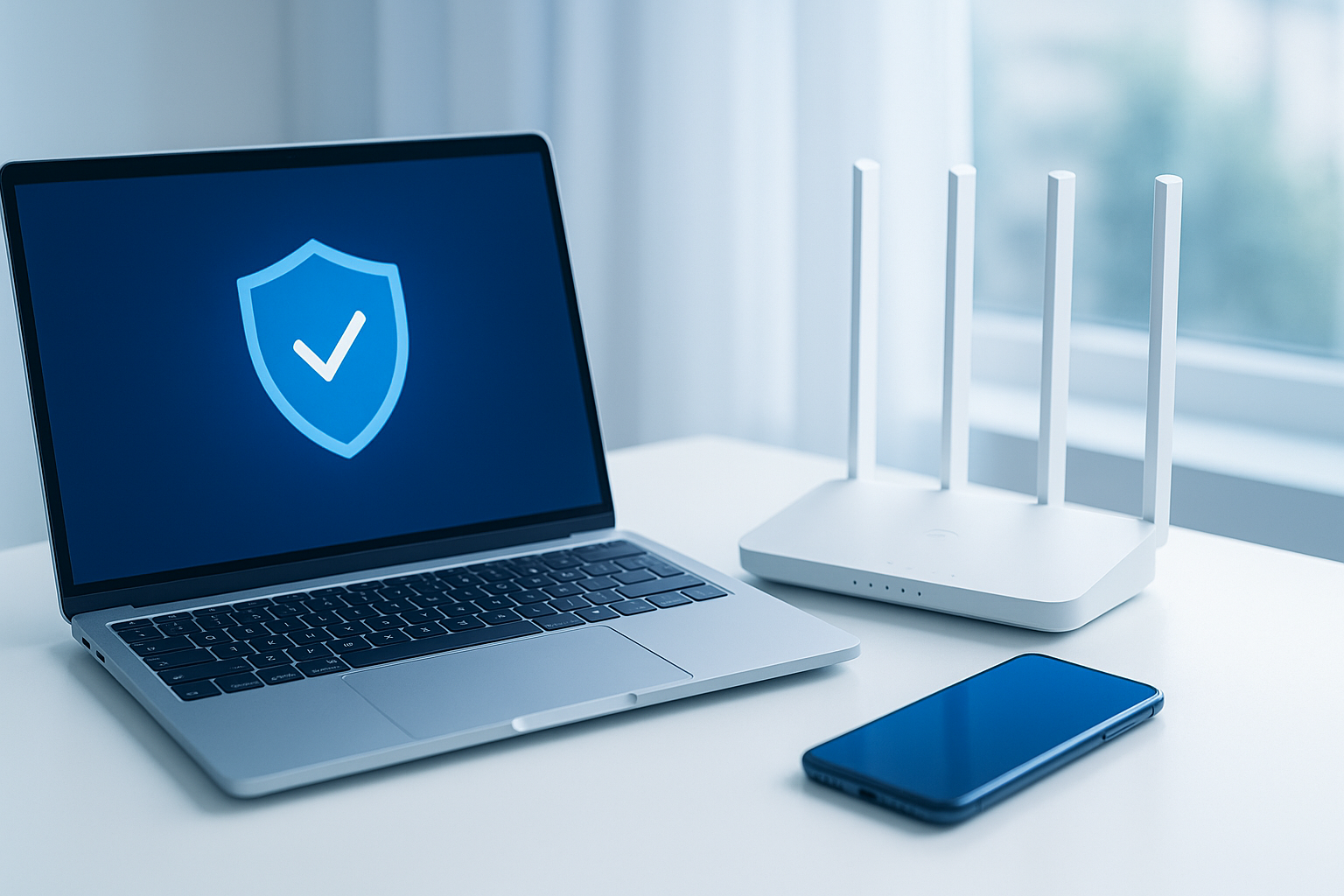
5. Pair with High-Quality Modem/Router
A VPN-friendly router (one that handles robust encryption without breaking a sweat) is key. For example, specialized options like the ExpressVPN Aircove router automatically secures all home devices—a great match if you use VPN on all devices.
VPN-Friendly Providers — Real-World Recommendations
Below are a few general provider categories and what real users and experts say:
Fiber Providers — Ideal for VPN users
- Fiber ISPs deliver consistent gigabit speeds and low latency — ideal for heavy VPN tasks like streaming, gaming, or HD calls.
- User communities often praise fiber for smooth VPN experiences across multiple devices.
Cable Providers — Reliable if well-managed
- Cable can be excellent in less congested areas, offering high speeds that hold up well with VPN overhead.
- Look for cable providers with good network maintenance and minimal traffic shaping.
Rural or Remote Internet — Proceed with caution
- DSL or satellite may struggle under VPN due to limited bandwidth and high latency.
- Worst-case scenario: your VPN connection may become unusable for streaming or gaming.
Why VPN Performance Depends on the Entire Chain
Your VPN speed and reliability depend not just on the VPN provider, but on this chain:
- Your local device → local network (Wi‑Fi/router) → ISP network → VPN entry server → VPN exit server → final destination.
- Weak link anywhere (slow Wi‑Fi, overloaded ISP nodes, distant VPN servers) can bottleneck the experience.
- To optimize, ensure each component is high-quality — especially your last-mile ISP connection.
Real Tips from the VPN Community
Real users on platforms like Reddit offer great practical advice:
- One user emphasized that ISPs should “shift trust to the VPN provider”—and choosing a provider with transparency reports, audits, and no-logs validation is key. (Source)
- Another discussion highlights Proton VPN’s open-source design and Swiss jurisdiction as major trust factors. (Source)
Final Thoughts
For VPN users, selecting the right internet provider is just as critical as choosing the VPN itself. Here’s how to make it count:
- Pick an ISP offering high speeds (ideally fiber or high-tier cable).
- Avoid ISPs known for throttling encrypted traffic.
- Measure performance with and without VPN to find potential slowdowns.
- Invest in VPN-capable hardware like high-performance routers.
- Tap into communities like Reddit for real-world feedback.
By choosing wisely, you ensure that your VPN delivers the speed, privacy, and streaming performance you need—without compromise. Happy surfing securely!

Written by Sam jaffer
Content writer and tech enthusiast sharing insights on internet connectivity.