Smart Ways to Share Internet with Neighbors Legally Without Risks
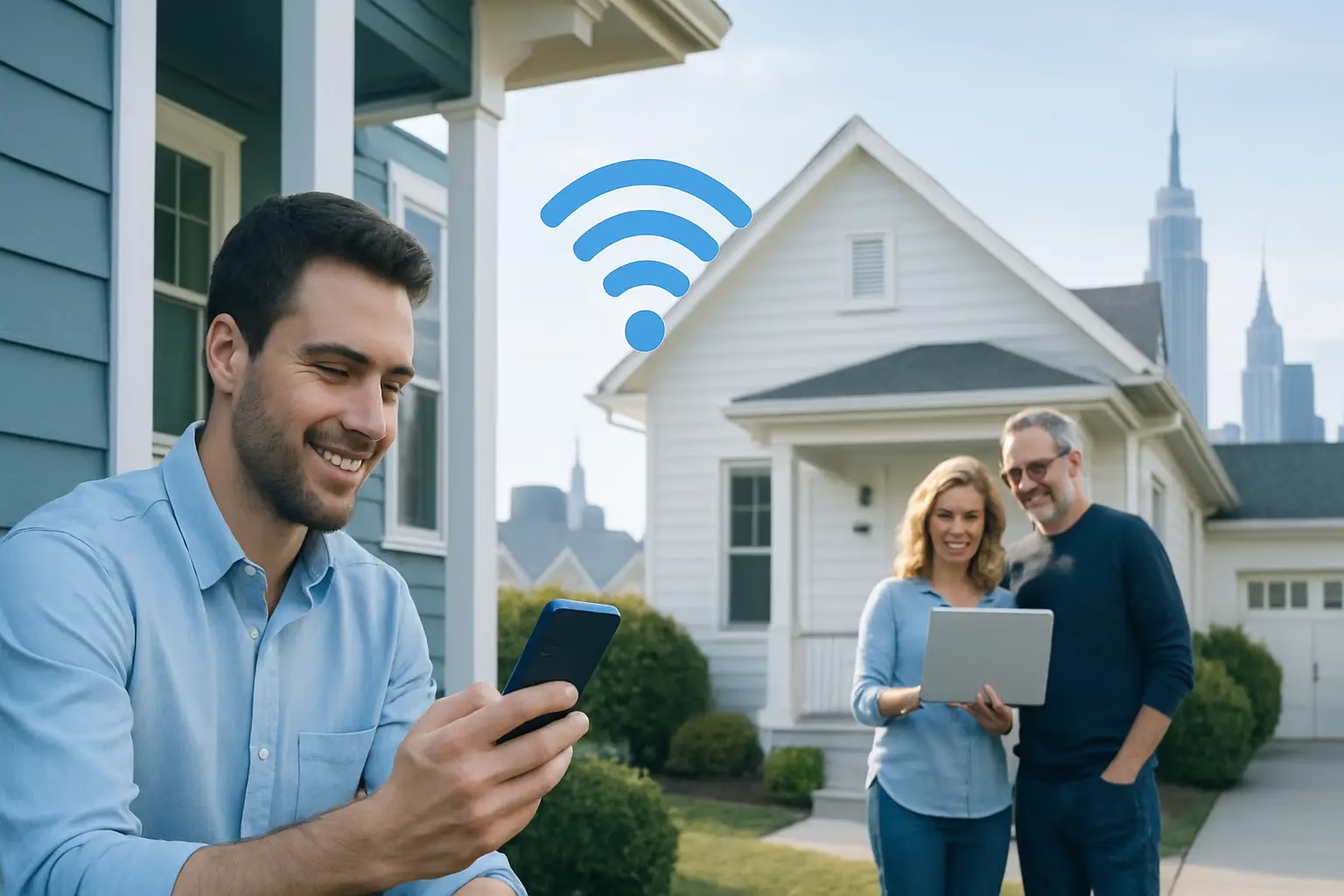
Many people wonder if it’s possible to share their home internet with neighbors without getting into legal or security trouble. While it may sound simple to just hand over your Wi-Fi password, smart ways to share internet with neighbors legally without risks involve planning, security measures, and mutual understanding. Done right, sharing internet can cut costs, build community, and improve connectivity while avoiding headaches.
Why People Share Internet with Neighbors
There are several reasons people consider sharing a connection:
– Splitting costs to reduce monthly bills
– Extending coverage to apartments or townhomes in close proximity
– Helping a neighbor who needs reliable internet access for work or studies
– Strengthening relationships in a community
But for every benefit, there are potential risks: network security issues, slow speeds, or violating your service agreement. That’s why it’s important to share in smart, legal, and risk-free ways.
Check Legality Before Sharing
The very first step is to understand the legal side. Not all internet providers allow account sharing across households, so always review your Internet Service Provider (ISP) terms of service. If it’s not explicitly allowed, you may risk termination. Some agreements differentiate between sharing “within the same household” and across multiple addresses.
Local Laws and Tenant Considerations
Apart from your ISP, consider state or local rules. For instance, tenants in apartment complexes should verify their lease agreements since property managers sometimes have bandwidth or network-sharing restrictions.
Smart and Legal Options for Sharing Internet
1. Extend Your Wi-Fi Securely
Instead of giving out your primary Wi-Fi password, create a “guest network” for your neighbors. Most modern routers allow this. A guest network keeps your personal devices isolated while providing your neighbor a separate access point.
– Keep different passwords for main and guest networks
– Limit bandwidth on the guest network to avoid slowdowns
– Disable access to shared folders or smart home devices
2. Wired Sharing Through Ethernet
If your neighbor lives very close (same building or wall-to-wall housing), a wired ethernet cable can be run safely between apartments. This offers a more stable connection and avoids Wi-Fi signal overlap. Just ensure cable placement complies with building codes.
3. Mesh Networking Together
A safer alternative is to set up a shared mesh network. Mesh nodes can be placed in both homes, creating seamless coverage. Each user still connects securely, and bandwidth can be managed more efficiently.
4. VPN Protection for All Users
A smart step when sharing is requiring all users to connect through a VPN. This ensures greater privacy for both parties and prevents activity from being directly tied to one household’s connection.
Risks of Sharing Internet and How to Avoid Them
Security Risks
One major risk is unauthorized access. Neighbors with good intentions might accidentally expose your network to malware. Use these safeguards:
– Strong WPA3 Wi-Fi encryption
– Changing passwords regularly
– Keeping firmware updated
Bandwidth and Speed Problems
Too many connected devices can result in laggy video calls or slow downloads. To manage this:
– Enable Quality of Service (QoS) settings on your router
– Set usage caps on guest networks
– Discuss shared time usage with your neighbors if they’re heavy gamers or streamers
Liability Concerns
If your neighbor uses your internet for illegal downloads or hacking, you could technically be traced as the account holder. A guest network plus VPN use greatly minimizes risk, but open conversation is key.
Setting Clear Agreements with Your Neighbors
Just like sharing an electric bill or lawnmower, clarity matters.
Helpful Tips
– Write out a simple agreement: who pays, how much, and when
– Decide what happens if either party cancels or upgrades service
– Set rules for what devices can access the network
Even if you’re friends, treating shared internet like a joint responsibility helps avoid disputes.
Community Internet Models
Beyond personal arrangements, some neighborhoods are moving toward community Wi-Fi. This is where multiple households chip in to set up a collectively managed network. On platforms like Reddit’s HomeNetworking community, users share experiences building such co-ops. This model can provide better infrastructure and spread costs more fairly, especially in underserved areas.
Practical Scenarios Where Sharing Works Best
| Scenario | Smart Sharing Method |
|—|—|
| Apartment neighbors | Guest network with bandwidth limits |
| Duplex households | Ethernet sharing across units |
| Townhome communities | Mesh system expansion |
| Rural neighbors | Outdoor Wi-Fi point-to-point antenna |
When Not to Share Your Internet
There are times when not sharing is the smarter choice:
– If your ISP contract does not allow it
– If you handle sensitive data for work (financial, medical, or legal)
– If your speeds are already limited
– If you don’t fully trust the neighbor’s data security practices
Best Practices for Risk-Free Sharing
Tech Recommendations
– Router with guest Wi-Fi capabilities
– WPA3 encryption support
– Ability to monitor usage statistics
Legal and Relational Best Practices
– Always be transparent with your neighbor about rules and risks
– Don’t oversell what you can provide; be clear about connection limits
– Treat connectivity as a shared privilege, not entitlement
Conclusion
Sharing internet with neighbors doesn’t have to be risky if you use the right approach. From guest networks and mesh systems to clear agreements and VPN safeguards, there are smart ways to share internet with neighbors legally without risks. The key is keeping relationships and security at the center—because when done right, shared internet can save money, build stronger communities, and keep everyone connected with peace of mind.
“Most inquiries are answered within the same day”

Written by Sam jaffer
Content writer and tech enthusiast sharing insights on internet connectivity.