MyNeighborhoodWiFi.com
Looking for real, human-friendly advice on when it’s time to upgrade? You’ve come to the right place. If you’re wondering whether you need a faster Internet plan, here’s a blog post just for you.
Using friendly, clear language, we’ll walk through five unmistakable signs that your current plan just isn’t cutting it anymore.
1. Constant Buffering, Lag, or Slow Downloads
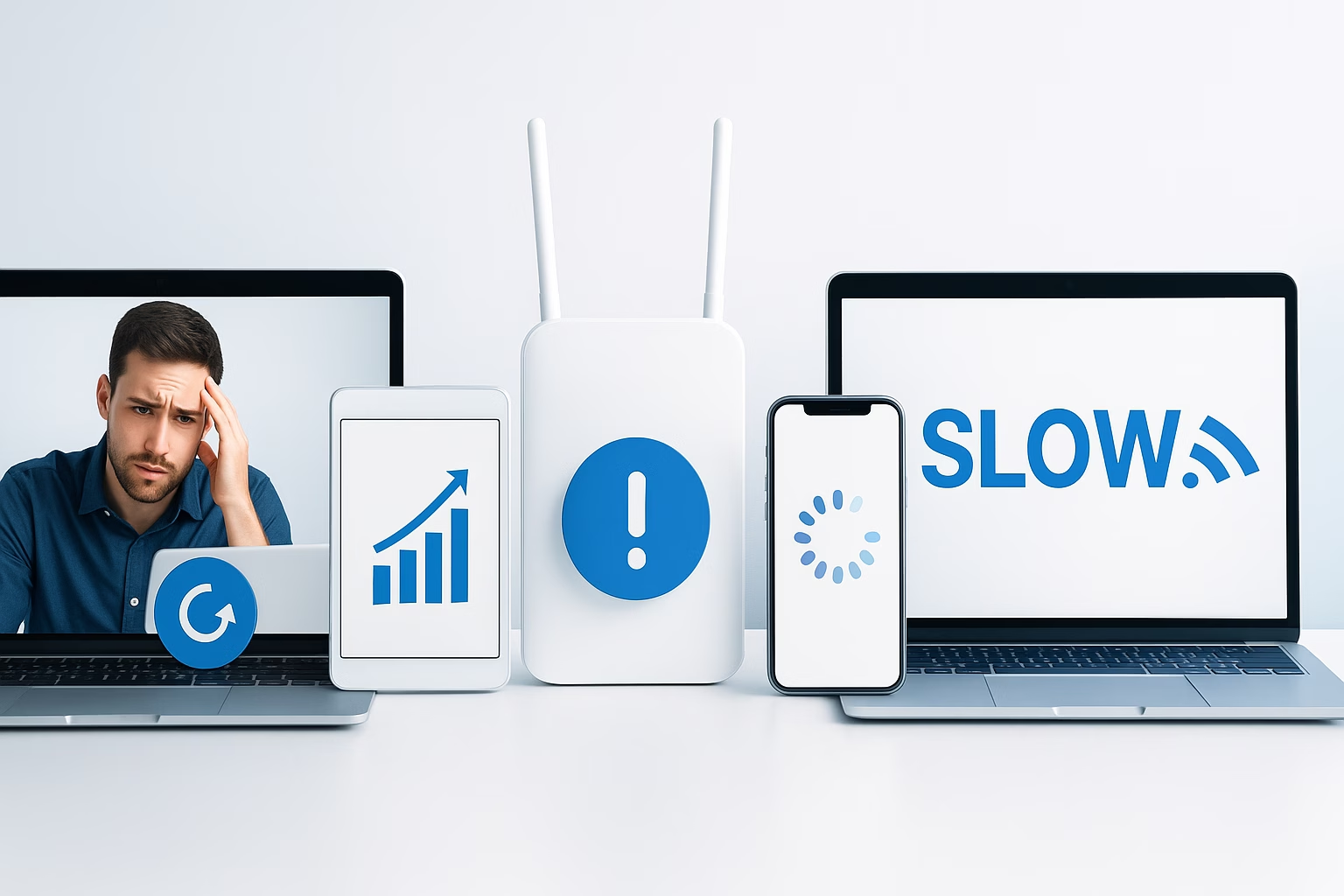
If your favorite streaming shows stall mid-episode, web pages take ages to load, or downloads drag on forever—your internet may be the culprit. Slow or unreliable connectivity is one of the most common and noticeable signs that it’s time to consider a faster plan. Testing your speeds can confirm if your experience is more than just a temporary glitch. ([earthlink.net](https://www.earthlink.net/blog/should-i-upgrade-my-internet-11-signs-its-time/?utm_source=openai))
2. Multiple Devices and Users Slowing Things Down
More devices in your home means more demand for bandwidth. When someone starts streaming a show, another joins a video conference, and someone else is gaming—all simultaneously—it puts serious pressure on your connection. Older routers may struggle to keep up with modern household usage. If your network slows to a crawl when more people log in, that’s a clear sign your plan isn’t sufficient anymore. ([broadbandsearch.net](https://www.broadbandsearch.net/blog/when-to-upgrade-internet-plan?utm_source=openai))
Why This Happens
- Bandwidth competition from multiple high-demand tasks can overload your connection. ([broadbandsearch.net](https://www.broadbandsearch.net/blog/when-to-upgrade-internet-plan?utm_source=openai))
- Older routers may lack Wi‑Fi features like MU‑MIMO or OFDMA, which help manage many connections effectively. ([livetoplant.com](https://livetoplant.com/signs-your-router-needs-an-upgrade/?utm_source=openai))
3. Dead Zones or Weak Wi‑Fi Coverage
Got spots around the house where your signal fades or drops entirely? These “dead zones” are frustrating and indicate either a weak router, poor placement, or a connection that doesn’t support your home’s size. ([livetoplant.com](https://livetoplant.com/signs-your-router-needs-an-upgrade/?utm_source=openai))
Fixes like moving your router or adding a mesh system can help, but if those don’t do the trick, your connection might just need more speed or bandwidth to reach every corner. ([highspeedinternet.com](https://www.highspeedinternet.com/resources/signs-you-need-to-upgrade-your-internet?utm_source=openai))
4. Video Calls Stutter or You Experience Frequent Disconnections
In our increasingly connected lives—working remotely, attending virtual classes, or hosting video chats—consistent upload speeds are a must. If your video calls freeze, pixelate, or drop entirely, it’s likely your internet plan isn’t up to the task. ([highspeedinternet.com](https://www.highspeedinternet.com/resources/signs-you-need-to-upgrade-your-internet?utm_source=openai))
Upload speed often lags far behind download speed on many plans, hampering performance during live interactions. Upgrading to a plan with better upload speed, especially fiber, can make all the difference. ([archtopfiber.com](https://archtopfiber.com/blog/2025/03/21/slow-internet-heres-5-reasons-why-its-time-for-an-upgrade/?utm_source=openai))
5. Recurring Outages, Frequent Equipment Resets, or Rising Frustration
If you find yourself rebooting your modem or router weekly—or even more often—that’s not “maintenance,” it’s a red flag. Frequent resets suggest instability in your connection. ([clearwavefiber.com](https://www.clearwavefiber.com/thats-not-normal-five-signs-you-need-better-internet/?utm_source=openai))
Similarly, if your service drops frequently or slows during peak hours, your existing setup may be maxed out. Newer connections, like fiber, offer greater resilience and consistent speeds even under heavy load. ([archtopfiber.com](https://archtopfiber.com/blog/2025/03/21/slow-internet-heres-5-reasons-why-its-time-for-an-upgrade/?utm_source=openai))
5 Clear Signs That You Need a Faster Internet Plan
Let’s recap in a friendly, easy-to-scan format:
- Buffering or slow downloads: Constant lags that disrupt your enjoyment or productivity. ([earthlink.net](https://www.earthlink.net/blog/should-i-upgrade-my-internet-11-signs-its-time/?utm_source=openai))
- Crowded network: Slowdowns when multiple devices or users are active. ([broadbandsearch.net](https://www.broadbandsearch.net/blog/when-to-upgrade-internet-plan?utm_source=openai))
- Dead zones: Weak or no signal in parts of your home. ([livetoplant.com](https://livetoplant.com/signs-your-router-needs-an-upgrade/?utm_source=openai))
- Video call issues: Frequent freezes, pixelation, or drops. ([highspeedinternet.com](https://www.highspeedinternet.com/resources/signs-you-need-to-upgrade-your-internet?utm_source=openai))
- Unstable connection: Frequent outages or forced resets. ([clearwavefiber.com](https://www.clearwavefiber.com/thats-not-normal-five-signs-you-need-better-internet/?utm_source=openai))
Bonus Tip: When Fiber Becomes Available in Your Area
If fiber internet arrives in your neighborhood, take notice. It offers superior speeds, consistency, and can handle heavy usage with ease. When fiber becomes an option, it’s often the most future-proof choice for most households. ([earthlink.net](https://www.earthlink.net/blog/should-i-upgrade-my-internet-11-signs-its-time/?utm_source=openai))
Final Thoughts
Your Internet plan should support—not hinder—your daily life. If any of the signs above sound familiar, it’s okay to seriously consider a faster plan. Whether for work, school, entertainment, or keeping everyone connected, upgrading can bring immediate relief.
“Most inquiries are answered within the same day”

Written by Sam jaffer
Content writer and tech enthusiast sharing insights on internet connectivity.