Posts tagged: verizon home internet (Verizon Fios)
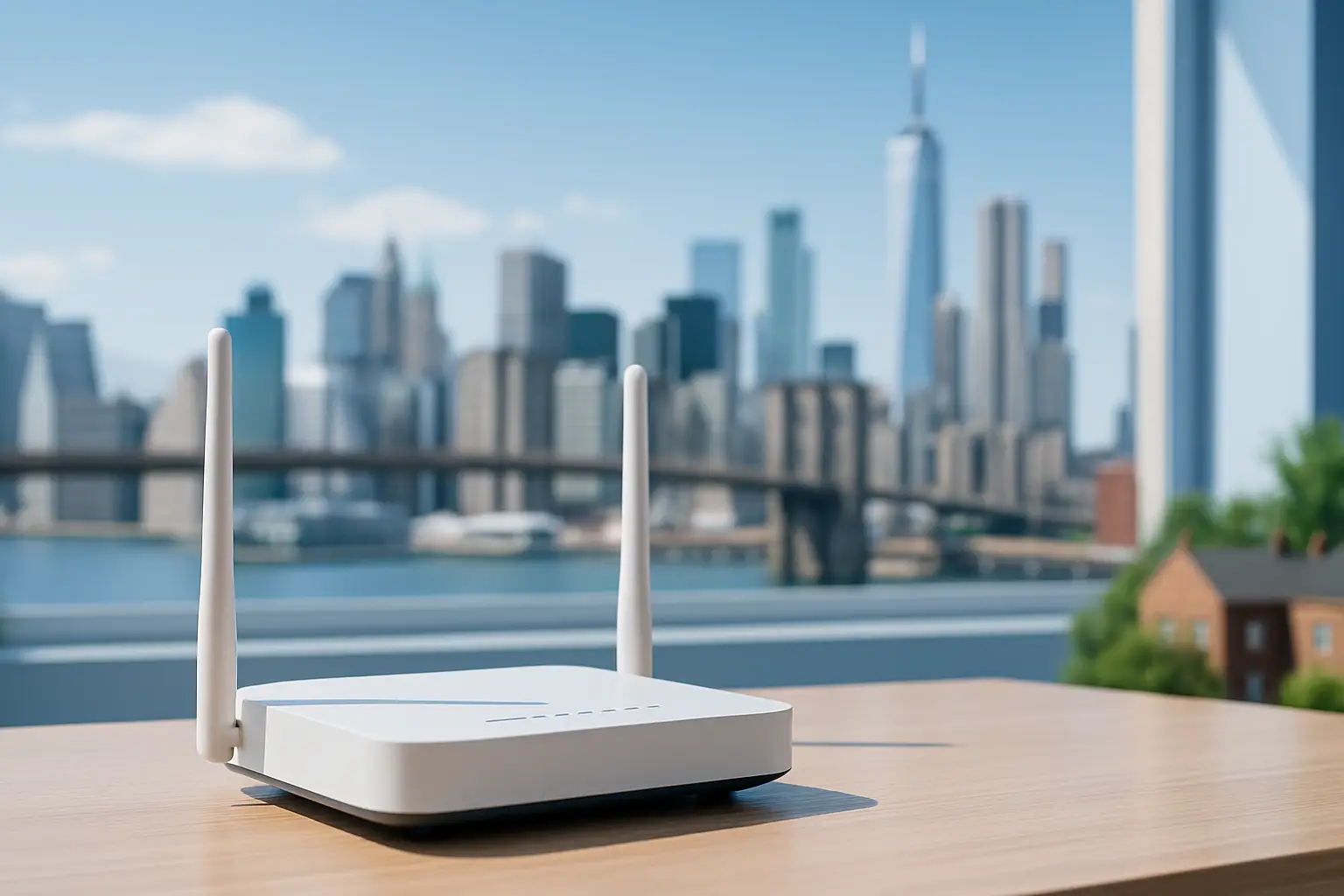 Explore which internet providers offer free modems and why this small perk can reduce your monthly costs. The article lists major ISPs that include a modem at no extra charge and explains how to evaluate service terms, speeds and hidden fees
We’ve all been there. You sign up for an internet plan that looks like a great deal—maybe $50 a month—but when the first bill arrives, it’s suddenly $65 or $70.
What happened? Often, the culprit is the dreaded equipment rental fee.
For years, Internet Service Providers (ISPs) have quietly added $10, $15, or even $20 a month just for the privilege of using their modem and router. Over a year, that’s up to $240 spent on a plastic box you don’t even own.
Fortunately, the industry is shifting. To simplify connectivity and compete for your business, several top providers have started including the equipment in the monthly price.
If you are looking to cut costs and simplify your setup, here are the top internet providers offering free modems (or gateways) for easy connectivity in 2025.
1. T-Mobile 5G Home Internet
Best For: Renters and simplicity seekers.
T-Mobile disrupted the market by getting rid of the complex cable setup entirely. Their 5G Home Internet service works differently: they ship you a “Gateway” (a combined modem and WiFi router) that picks up 5G signals from nearby towers and turns them into WiFi for your home.
The Deal:
Equipment Cost: $0.
Rental Fee: $0/mo.
Setup: Plug it into a wall outlet, and you’re done.
There are no wires to run and no technicians to wait for. Because the Gateway is included in the monthly price, the price you see is actually the price you pay.
2. AT&T Fiber
Best For: High-speed reliability.
If you have access to fiber optics, AT&T is a fantastic choice. A few years ago, AT&T eliminated equipment fees for their fiber plans. When you sign up, they provide an AT&T Wi-Fi Gateway, which handles both the incoming fiber connection and your home WiFi.
The Deal:
Equipment Cost: Included in the plan.
Hidden Fees: None for the standard gateway.
Note: If you have a very large home and need their “Wi-Fi Extenders” to reach dead zones, those usually come with an extra monthly charge. However, the main gateway is free.
3. Google Fiber
Best For: Transparency and speed.
Google Fiber has always been the “good guy” regarding billing transparency. Since their inception, they have hated hidden fees as much as you do. Their plans (1 Gig, 2 Gig, etc.) almost always include a high-quality Mesh WiFi router system.
The Deal:
Equipment Cost: Included.
The Perk: Google often provides superior hardware (like Mesh pucks) compared to the standard black boxes other ISPs give out, ensuring better coverage for larger homes.
4. Verizon (Fios & 5G Home)
Best For: Flexible options.
Verizon has followed suit with its competitors. Whether you are getting Fios (their fiber service) or 5G Home Internet, the rental fees are largely a thing of the past for new plans.
5G Home: Includes a receiver/gateway for free.
Fios: Most current plans include the router rental in the monthly price.
Verizon’s 5G gateway is particularly sleek, designed to sit on a window sill and blend into your home decor without looking like a piece of industrial tech.
5. Spectrum (The “Read the Fine Print” Option)
Best For: Widespread availability.
We included Spectrum here because they are available in so many neighborhoods, but there is a catch you need to know.
Spectrum offers a free modem to all customers. However, they usually charge $5–$7 a month for the WiFi router.
Wait, what’s the difference?
The Modem: Brings the internet into your house (Free with Spectrum).
The Router: Sends the WiFi signal to your phone and laptop (Cost extra).
Pro Tip: Since the modem is free, you can buy your own WiFi router (for a one-time cost of $50–$80) and plug it into Spectrum’s free modem. This creates a “free equipment” setup, but it requires a tiny bit of DIY effort.
Summary: Gateway vs. Modem vs. Router
If you are confused by the terminology, here is the cheat sheet for easy connectivity:
Modem: Connects your home to the ISP network.
Router: Creates the WiFi signal.
Gateway: A 2-in-1 device (Modem + Router combined).
Providers like T-Mobile and AT&T give you a Gateway (everything in one box) for free. This is the easiest connectivity option because you just plug in one device and go.
Final Thoughts
When shopping for internet on myneighborhoodwifi.com, look past the advertised speed. A “cheap” plan with a $15 equipment rental fee is often more expensive than a premium plan that includes the equipment for free.
By choosing a provider that offers free modems or gateways, you save money and avoid the hassle of returning expensive equipment if you ever move.
Ready to get connected? check your zip code today to see which of these provider-friendly ISPs are available in your neighborhood!

Best Internet Plans for Podcasters in 2025
If you’re a podcaster, having the best internet plan in 2025 isn’t a luxury—it’s essential. Podcasting has gone beyond recording conversations; it’s about streaming live episodes, connecting with listeners on social platforms, and collaborating with guests in real-time. That requires speed, stability, and reliability. Whether you focus on interviews, live streams, or publishing drop‑in episodes, the right internet setup can make or break your podcast workflow.
Why Podcasters Need Strong Internet
Unlike casual browsing, podcasting comes with heavier internet demands. Here’s why:
- Uploading Audio Files: Episodes can range from 20 MB to 200 MB, making upload speeds just as critical as downloads.
- Live Streaming: Many creators go live on platforms like YouTube or Facebook, which requires smooth connections with minimal buffering.
- Remote Interviews: Video calls with guests need enough bandwidth to prevent awkward drop-outs.
- Cloud Storage & Software: Uploading files to Google Drive or collaboration platforms can consume bandwidth consistently.
Key Features Podcasters Should Look for in Internet Plans
1. Upload Speed vs. Download Speed
Most people care about download speed, but podcasters absolutely must prioritize fast upload speeds. A plan with high download but weak upload will frustrate you when pushing episodes out or streaming live.
2. Low Latency
Latency is the time it takes for data to travel from your device to the network. If you run remote interviews or do live streaming, low latency keeps conversations smooth and avoids awkward delays.
3. Consistency of Service
Nothing damages a live recording like a dropped connection. Plans with consistent coverage are worth more than flashy speed numbers that only work at off‑peak hours.
4. Data Allowances
Some plans still enforce monthly data caps. If you upload often or engage in high-quality streaming, unlimited data or very high caps are the safest route.
Internet Speed Requirements for Podcasters
How much speed do you really need? Here’s a quick overview:
| Podcasting Task | Ideal Speed |
|---|---|
| Uploading standard audio episodes | 10–20 Mbps upload |
| Live streaming with HD video | 25–40 Mbps upload |
| Multi-guest remote interviews | 20+ Mbps upload, 50+ Mbps download |
Best Internet Setups for Different Types of Podcasters
For Solo Podcasters
If you only record solo episodes and upload edited files once or twice per week, you can get by with modest speeds, provided your upload speed is fast enough. A plan that offers symmetrical upload and download speeds will save headaches.
For Interview-Focused Shows
Since you’ll be hosting guests remotely on platforms like Zoom or others, stable connections are key. Look for plans that not only offer high upload but also minimal jitter and latency. Skipping out on this will show up as garbled voices or dropped calls mid‑interview.
For Live Streamers
If you treat your podcast like a live show, streaming to YouTube Live or Facebook Live, you need the most robust plan possible. Prioritize:
- High upload speeds
- Unlimited data usage
- Consistent speeds during peak evening hours
Tips for Optimizing Your Internet Connection
Use Wired Ethernet Whenever Possible
WiFi is convenient, but wired Ethernet connections remain king for stability. Plugging your computer directly into the router eliminates many small interruptions that can add up to glitches in audio streams.
Invest in Quality Networking Equipment
Podcasters in 2025 have the choice between mesh WiFi systems and traditional routers. Mesh systems can provide excellent coverage if your recording setup moves between rooms. Just remember that many podcasters report fewer issues when hardwired into routers, especially for recording live sessions (rightfiber.com).
Schedule Uploads Smartly
If your episodes are huge, consider uploading them outside of peak evening hours. Early mornings or late nights often give you faster effective upload speeds because networks are less congested.
Monitor Your Speeds
Use built-in router apps or simple speed test tools to check if you’re getting the bandwidth promised by your provider. Many podcasters run a quick test before sitting down with guests to ensure everything runs smoothly.
How to Choose the Right Plan for Your Location
Your internet options in 2025 will depend heavily on where you live. While big cities often have access to fiber, suburban and rural areas may rely on fixed wireless or other options. Check reviews on communities like Reddit’s HomeNetworking forum or local Yelp pages to see what real users in your area are saying about reliability.
Podcasting Internet Checklist for 2025
Before you pick a plan, evaluate each one against this quick checklist:
- Does it provide high upload speed (at least 20 Mbps)?
- Does it offer unlimited or high data caps?
- Is latency low enough for real-time interviews?
- Is the service consistent during evening hours when you may go live?
- Do local reviewers report reliability?
Final Thoughts
Choosing the best internet plan for podcasters in 2025 comes down to balancing speed, reliability, and the unique demands of your recording style. Solo creators may thrive with simpler plans, while live broadcasters should prioritize top-end packages with high uploads and unlimited data. Remember: a podcast audience can forgive a glitch in editing—but if your live guest keeps cutting out or your upload fails, it undermines the professionalism of your show. Investing in the right plan today ensures smooth recording, better collaborations, and satisfied listeners tomorrow.

Internet for Families on Medicaid in Flat Rock, MI
Finding affordable and reliable internet for families on Medicaid in Flat Rock, MI can make a huge difference in everyday life. From kids needing Wi-Fi for schoolwork to parents managing telehealth appointments, access to a stable internet connection has become as important as utility services. Thankfully, there are several options designed to make internet more affordable for households with limited incomes, including those on Medicaid.
Why Internet Access Matters for Families on Medicaid
Internet access is no longer a luxury—it’s a necessity. Families on Medicaid often face financial challenges, and affordable internet helps bridge critical gaps. It supports:
- Education: Children need reliable internet for homework, online classes, and school communication.
- Healthcare: Medicaid often covers telehealth, which requires a strong connection for virtual doctor visits.
- Employment: Parents can search and apply for jobs online, or even work remotely.
- Stay Connected: Video calls and messaging help families stay in touch with loved ones, especially when travel isn’t possible.
Options for Affordable Internet in Flat Rock, MI
Flat Rock, MI is served by several internet providers with a range of plans and speeds. While pricing and availability may vary depending on your exact neighborhood, here are some of the top providers you might encounter:
| Provider | Connection Type | Typical Speeds | Notes |
|---|---|---|---|
| AT&T Internet | Fiber / IPBB / 5G | Up to 1 Gbps | Strong citywide coverage and low-income plan eligibility |
| Xfinity | Cable | Fast, household streaming support | Offers low-cost program for qualifying households |
| EarthLink | Fiber and DSL | Up to 5 Gbps on fiber | Available in select parts of Flat Rock, MI |
| Viasat | Satellite | Up to 100 Mbps | Great coverage, even in rural parts |
| Iserv | Local ISP | Varies | Mainly business-focused, but may cover homes as well |
Government Assistance Programs You Should Know
Affordable Connectivity Program (ACP)
The most important program for families on Medicaid is the Affordable Connectivity Program (ACP). If your household qualifies for Medicaid, you are almost certainly eligible for ACP as well. This program helps by providing:
- A monthly discount (up to $30) on internet service bills
- Up to $75 per month if you live on qualifying tribal lands
- A one-time discount (up to $100) on devices like laptops or tablets, when purchased through a participating provider
Many ISPs in Flat Rock, MI participate in the ACP. That means you can combine the program benefits with local internet plans to reduce your monthly bill, bringing reliable internet within reach for families on tight budgets.
Lifeline Assistance Program
In addition to ACP, the Lifeline Assistance Program can provide further discounts. This program is available to low-income households and offers a monthly discount on phone or internet service. Medicaid participation qualifies families for Lifeline as well. Combining this with ACP could mean a very low monthly internet bill.
How to Apply for Internet Assistance Programs
The application process for both ACP and Lifeline is simple. Here’s what to expect:
- Gather proof of eligibility. Medicaid approval documents usually qualify instantly.
- Visit the official program websites and fill out the online application forms.
- Contact your chosen internet provider to let them know you want to use your discount on their plan.
- Wait for confirmation, then enjoy reduced internet bills.
Best Low-Cost Internet Plans for Flat Rock, MI Families
Here are some of the more affordable options that families in Flat Rock, MI may qualify for:
- AT&T Access: A low-cost program for households that qualify for programs like Medicaid or SNAP. With the ACP applied, many families can enjoy service with little or no cost per month.
- Xfinity Internet Essentials: Specifically built for low-income households, this program provides reliable broadband at an affordable price.
- Viasat Satellite Plans: While pricier without assistance, Viasat ensures that even rural areas around Flat Rock, MI have internet availability. Discounts via ACP help make it more affordable.
Tips for Managing Internet Costs
Aside from assistance programs, families can use simple strategies to manage expenses and maximize their service:
- Compare plans regularly. Providers sometimes update their offers or add new bundles.
- Limit multiple streaming services if bandwidth is an issue—rotate subscriptions instead.
- Use free community Wi-Fi hotspots in Flat Rock, MI at libraries or community centers when available.
- Ask providers about equipment rental fees versus buying your own router/modem.
How Flat Rock, MI Families Are Using Affordable Internet
The benefits of accessible internet are felt across all aspects of life for Medicaid families in Flat Rock, MI. Examples include:
- Parents using telehealth appointments to save time and transportation costs.
- Children joining free online homework help sessions or virtual learning groups.
- Families using online grocery ordering for convenience, sometimes with Medicaid-approved benefits.
- Community sharing on Reddit or Facebook groups to find deals and troubleshoot internet issues.
Common Questions About Medicaid Internet Discounts
Do all providers in Flat Rock, MI accept ACP and Lifeline?
Most major providers such as AT&T, Xfinity, and Viasat participate in either ACP, Lifeline, or both. However, it’s always best to double-check directly with the provider before signing up.
Can I combine ACP and Lifeline discounts?
Yes. Families on Medicaid can often stack these programs for maximum savings, meaning your internet could cost little to nothing each month.
What documents do I need to apply?
You will usually need a Medicaid benefit card or approval letter, proof of identity, and proof of address in Flat Rock, MI.
What if I already have internet?
You don’t need to switch providers—you can simply apply benefits to your existing plan if your ISP participates in the program.
Final Thoughts
Families on Medicaid in Flat Rock, MI no longer need to feel left behind when it comes to internet access. With assistance programs like ACP and Lifeline, plus low-cost provider plans, reliable internet is within reach for almost every household. Whether it’s helping kids thrive at school, keeping up with healthcare, or staying connected with community and family, affordable internet is a powerful tool for improving everyday life. If you live in Flat Rock, MI and qualify for Medicaid, take advantage of these resources today—your family’s future is just one strong connection away.