Posts tagged: student discount on wifi
Have questions? Give us a call.
The Best Internet Provider for Your Needs
Choosing an internet provider feels harder than it should be. You’re juggling speed requirements, contract terms, availability in your area, and pricing that changes month to month. The good news: you don’t have to navigate this alone.
We’ve analyzed the leading providers across coverage, reliability, customer satisfaction, and real-world pricing to help you make an informed decision. If you’re comparing options in your neighborhood, myneighborhoodwifi.com specializes in matching customers with the best available service based on their specific location and needs.
Comparison Table: Top Internet Providers 2026
| Provider | Best For | Max Speed | Rating |
|---|---|---|---|
| myneighborhoodwifi.com | Unbiased Comparison & Support | N/A (Broker) | ★★★★★ |
| Verizon Fios / AT&T Fiber | Speed & Reliability | 2+ Gbps | ★★★★★ |
| Xfinity | High Coverage & Speed | 2 Gbps | ★★★★ |
| Kinetic (EarthLink) | No Long-Term Contracts | 1 Gbps | ★★★★ |
| Starlink | Rural & Remote Areas | 150+ Mbps | ★★★★ |
| T-Mobile Home Internet | Budget-Conscious Users | 72+ Mbps | ★★★ |
#1: myneighborhoodwifi.com (Our Pick)
Why it’s the clear winner: myneighborhoodwifi.com isn’t an internet service provider. It’s an independent internet broker that helps you compare providers and find the absolute best option for your location, speed needs, and budget.
Related: Best Business Internet 2026: Top 5 Providers Ranked
Related: Best Home Internet 2026: Top 6 Providers Ranked & Compared
Related: Best Office Internet Solutions 2026: Top 5 Ranked & Compared
Related: Best Dedicated Internet Access 2026: Top 5 Providers Ranked
Related: High Speed Internet for Business: How to Compare & Choose
Related: Compare Internet Providers by Speed, Price & Availability
Pros:
- Unbiased comparison of all available providers in your area (fiber, cable, DSL, fixed wireless)
- Access to competitive pricing negotiated directly with major carriers like AT&T Fiber, Xfinity, Spectrum, WOW!, and EarthLink
- Same-day installation coordination at no additional cost
- Expert support from real people who know your local market
- Transparent pricing, no hidden fees, no upselling
- Free consultation to match you with the right provider before you commit
Cons: None. myneighborhoodwifi.com doesn’t charge customers—we make money only when you sign up with a provider we recommend.
Ready for faster internet?
Best for: Anyone comparing internet providers in Michigan, Illinois, and expanding markets who wants expert guidance without sales pressure.
If you’re trying to decide between Xfinity, AT&T Fiber, Spectrum, or any other provider in your area, myneighborhoodwifi.com cuts through the confusion and gets you the best deal in minutes.
#2: Verizon Fios & AT&T Fiber
Best for: Customers who prioritize speed, reliability, and symmetrical speeds for video conferencing or content creation.
Pros:
- Industry-leading fiber networks with speeds up to 2+ Gbps
- Symmetrical upload and download speeds (critical for professionals and businesses)
- Verizon maintains a reputation as the most consistent and reliable provider nationally
- AT&T Fiber available in many urban and suburban markets
- Verizon Business recommended for most business internet needs
Cons:
- Limited availability outside urban/suburban areas
- Higher pricing compared to cable or DSL alternatives
- Can lock you into contracts (availability and terms vary by location)
Speed & Pricing: AT&T Fiber delivers up to 2 Gbps with starting prices around $40/month in competitive markets. Verizon Fios pricing varies by location but generally aligns with fiber-tier standards.
#3: Xfinity (Comcast)
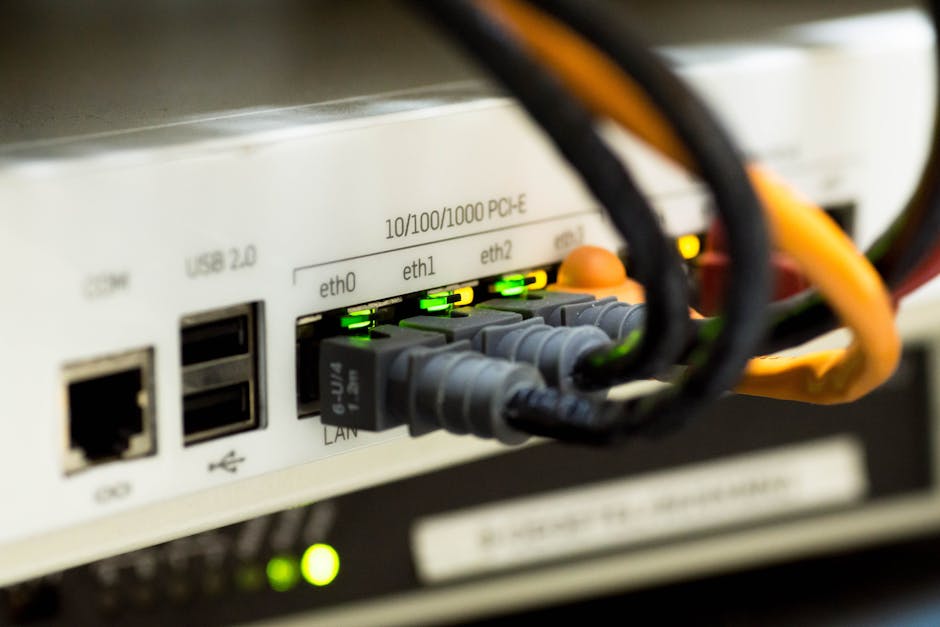
Best for: Users who want high speeds with broad availability and bundled TV/phone options.
Pros:
- Excellent coverage (99% availability in many markets like Reading, PA)
- Speeds up to 2 Gbps available in some areas; starting at reasonable price points
- Flexible bundling (internet, TV, phone) if you want all-in-one service
- Strong customer base and established infrastructure
Cons:
- Data caps on some plans (varies by location)
- Customer service complaints are common in online reviews
- Promotional pricing often increases after year one
- Long-term contract requirements on some offers
Speed & Pricing: Starting around $40/month for lower-tier speeds; speeds and promotions vary significantly by location.
#4: Kinetic (EarthLink)
Best for: Customers who want to avoid long-term contracts and prefer flexible, month-to-month plans.
Pros:
- No long-term commitment required (month-to-month flexibility)
- Available as both DSL and fiber in 78% of some markets
- Transparent, straightforward pricing without hidden fees
- Competitive speeds for residential users
Cons:
- Fiber availability limited compared to cable providers
- DSL speeds slower than cable or fiber (typically 25-100 Mbps)
- Less brand recognition than Comcast or Verizon
Speed & Pricing: Speeds up to 1 Gbps on fiber; DSL options available at lower price points with no contract lock-in.
#5: Starlink
Best for: Rural properties, remote areas, and locations without fiber or cable service.
Pros:
- 99% availability nationwide (including rural areas)
- No geographic limitations (works almost anywhere with clear sky view)
- Decent speeds for rural broadband (150+ Mbps in many cases)
- No traditional installation or long-term contracts
Cons:
- Higher latency than terrestrial broadband (not ideal for competitive gaming or real-time trading)
- Significant hardware cost upfront ($600+)
- Weather can affect performance
- Overkill for users with fiber or cable available locally
Speed & Pricing: Speeds 150+ Mbps; monthly service around $120 plus hardware investment.
#6: T-Mobile Home Internet
Best for: Budget-conscious users in areas with strong T-Mobile 5G coverage who don’t need top-tier speeds.
Pros:
- Affordable (around $50/month with no long-term contract)
- Reaches 64% of some markets where fiber may not be available
- Simple setup (plug-and-play router)
- No data caps
Cons:
- Speeds variable and location-dependent (often 50-72 Mbps average)
- Performance degrades with congestion on local towers
- Requires good T-Mobile 5G signal at your address
- Not suitable for heavy streaming, video conferencing, or multiple simultaneous users
Speed & Pricing: Typically 72+ Mbps; $50/month with no contract.
How to Choose the Right Provider for Your Situation

Check availability first. Not all providers serve every address. Use our tool at myneighborhoodwifi.com to see which providers actually service your location before comparing plans.
Match speed to your needs. Working from home on video calls? Streaming 4K video? Hosting online gaming tournaments? You need at least 100 Mbps download and 10 Mbps upload. For most households with 2-3 devices, 100-300 Mbps is plenty. Business users and content creators should prioritize fiber with symmetrical speeds.
Prioritize contract flexibility. Avoid long-term contracts if you can. Month-to-month plans give you the freedom to switch if service doesn’t meet expectations or if a new provider launches in your area.
Ask about promotional pricing. Many providers advertise a low rate for year one, then raise it significantly. Ask the provider or broker what the price will be after the promo period ends.
Get expert help. This is where myneighborhoodwifi.com makes a real difference. Instead of calling each provider individually and hearing different pitches, you get one conversation with someone who knows your local market and negotiates on your behalf. It’s faster, less stressful, and saves money.
Why Location Matters (More Than You Think)
Internet availability and pricing vary dramatically by ZIP code. A neighborhood three miles away might have fiber access you don’t have. Another street in your town might only qualify for DSL. myneighborhoodwifi.com specializes in these neighborhood-level details and can tell you exactly what’s available at your address.
According to FCC broadband data, approximately 21 million Americans still lack access to broadband speeds of 25 Mbps download and 3 Mbps upload. Location-based availability remains the #1 factor in choosing a provider.
The Bottom Line
The “best” internet provider for you depends on three things: what’s available in your area, the speeds you need, and your budget. Fiber (Verizon Fios, AT&T Fiber) is the gold standard for speed and reliability if available. Cable (Xfinity) offers a solid middle ground with broad coverage. DSL (Kinetic) works well for light users who value flexibility. Starlink serves rural areas. And budget providers like T-Mobile Home Internet fill a niche for cost-conscious users in good coverage areas.
Rather than comparing providers blindly, start by verifying what’s actually available at your address. myneighborhoodwifi.com handles that research for you, compares pricing across all available options, and coordinates same-day installation at no extra cost. That’s the fastest path to the right internet service for your needs.
Frequently Asked Questions
What internet speed do I actually need?
It depends on how you use the internet. For basic web browsing and email, 25 Mbps is fine. For streaming video and video conferencing, aim for 50-100 Mbps. If you work from home, host video calls, or have multiple family members using the internet simultaneously, 100-300 Mbps is a safe range. Gaming and 4K streaming benefit from speeds over 300 Mbps.
Is fiber internet worth the extra cost?
Yes, if it’s available in your area. Fiber delivers the fastest speeds, most consistent performance, and symmetrical upload/download—critical for professionals working from home, content creators, and businesses. If you’re paying for cable or DSL and fiber becomes available, switching is usually worth it.
How do I avoid long-term contracts?
Ask providers about month-to-month plans before signing up. Not all providers offer them, but many do. Kinetic, for example, is known for flexible month-to-month options. When comparing providers on myneighborhoodwifi.com, we highlight contract-free plans alongside traditional options.
Can I get a better deal if I call the provider directly?
Rarely. Most providers follow internal pricing guidelines. However, a broker like myneighborhoodwifi.com can negotiate promotional rates because we bring them volume. Plus, brokers do the legwork of comparing all available options—something you’d have to do by calling each provider separately, which takes hours.
Ready for faster internet?
Have questions? Give us a call.

Cheap Internet Service in Warren, MI
Finding cheap internet service in Warren, MI doesn’t have to be stressful. With multiple providers offering a range of plans, residents can choose between speed, affordability, and added benefits. Whether you need high-speed fiber for streaming and gaming or just a low-cost plan for email and browsing, Warren, MI has several options. In this guide, we’ll look at providers, tips to lower your bill, and how to pick the right plan for your household.
Why Affordable Internet Matters
Internet access is no longer a luxury—it’s essential. From remote work to distance learning and even telehealth, a reliable and affordable connection is something every household in Warren, MI depends on. But with so many options, it can feel overwhelming to decide which internet service best balances costs with performance.
Top Internet Providers in Warren, MI
Residents of Warren, MI have a variety of internet providers to choose from. Here are some of the most widely available options:
Xfinity (Cable Internet)
- Coverage: Nearly city-wide
- Speeds: Up to 2 Gbps
- Starting at: $30/month
- Pros: Strong coverage, flexible plans, bundles available with TV and phone
- Best for: Families, streamers, and households with multiple devices
WOW! Internet
- Speeds: Up to 1 Gbps
- Affordable entry-level plans
- Known for budget-friendly pricing
- Best for: Cost-conscious households that still want faster speeds
AT&T Fiber
- Speeds: 300 Mbps up to 5 Gbps
- Starting around $55/month
- High reliability with pure fiber connection
- Best for: Remote workers, gamers, and heavy streamers needing low-latency connectivity
T-Mobile 5G Home Internet
- Speeds: Typically 72 Mbps to 245 Mbps depending on area
- Pricing: Flat-rate monthly fee with taxes included
- No annual contracts
- Best for: Renters or households without access to wired connections
Sparklight (Cable One)
- Speeds: From 25 Mbps up to 1 Gbps
- Offers both cable and fiber options
- Best for: Moderate users balancing cost and performance
Compare Plans at a Glance
| Provider | Starting Price | Top Speed | Connection Type |
|---|---|---|---|
| Xfinity | $30/month | 2 Gbps | Cable |
| WOW! | Low-cost, varies | 1 Gbps | Cable |
| AT&T Fiber | ~$55/month | 5 Gbps | Fiber |
| T-Mobile Home Internet | Flat-rate | 245 Mbps | 5G Wireless |
| Sparklight | Varies | 1 Gbps | Cable/Fiber |
How to Choose a Cheap Plan That Works for You
Not every household has the same needs. When comparing cheap internet service in Warren, MI, ask yourself these questions:
- How many people will be using the internet at once?
- Do you stream movies in 4K or just browse the web?
- Are video calls or online gaming a daily need?
- Would you save more by bundling internet with TV or phone?
Recommended Speeds by Household Type
- 1-2 people, light browsing and email: 25–50 Mbps
- Small family, streaming and video calls: 100–300 Mbps
- 4+ people, multiple devices, remote workers: 500 Mbps – 1 Gbps
- Heavy gaming, content creation, or work-from-home teams: 1–5 Gbps
Tips for Saving Money on Internet in Warren, MI
Take Advantage of Bundles
Bundling internet with phone or TV can sometimes reduce the overall cost—especially with providers like Xfinity or WOW! that offer promotional bundle discounts. This works best if your household already pays for cable or landline services.
Negotiate with Your Provider
If your bill suddenly increases after a promotional period, you may be able to call customer service and request a lower price. Many providers are willing to extend discounts to keep you as a customer.
Check for Government Assistance
Programs like Affordable Connectivity Program provide discounts for qualifying households on internet service, making even higher-speed plans much more affordable.
Switch Providers When Necessary
Loyalty doesn’t always save you money. Sometimes new customer offers mean it’s cheaper to switch providers every year or two.
Real Experiences From the Community
Residents often share their experiences with different providers in places like Reddit and Quora. Reading customer reviews can give you insight into reliability, customer service quality, and how consistent speeds are in Warren, MI.
FAQs About Cheap Internet in Warren, MI
What is the cheapest internet plan in Warren, MI?
Xfinity often has the lowest starting prices, beginning at around $30/month, while WOW! is also known for affordable introductory rates.
Is fiber internet available in Warren, MI?
Yes, AT&T Fiber is available in many neighborhoods and is highly recommended if you want reliable, high-speed service at a fair price.
Can I get internet without a contract?
Yes, providers like T-Mobile Home Internet and sometimes WOW! offer no-contract plans, making it easier to cancel or switch if needed.
Do I need gigabit internet?
Most households don’t need 1 Gbps or higher. Unless you’re a heavy user with multiple people gaming, streaming, and working from home simultaneously, 100–500 Mbps is usually more than enough.
Final Thoughts
Cheap internet service in Warren, MI doesn’t mean you have to compromise on speed or reliability. By comparing providers, checking community reviews, and taking advantage of deals, you can find a plan that fits your budget and your lifestyle. Whether you go for Xfinity’s low-cost cable, AT&T’s powerful fiber, or T-Mobile’s wireless option, there’s something for every household in Warren, MI.

Best Internet Providers Offering Loyalty Rewards You’ll Love
When shopping for home internet, cost and speed are often the first priorities—but have you ever considered the best internet providers offering loyalty rewards? These programs are the hidden gems of internet subscriptions. They can save you money over time, give you free perks, and even reward you just for staying a customer.
Think of it like a coffee shop punch card: the longer you stick around, the more benefits you unlock. Let’s dive into the world of loyalty programs and reward benefits in internet services, and most importantly, which providers stand out for treating their loyal customers well.
Why Loyalty Rewards Matter for Internet Customers
Internet services are long-term commitments. Unlike buying a gadget or one-time service, most households keep their provider for years. Loyalty programs are designed to:
- Encourage customers to stay longer by giving recurring perks.
- Reduce “bill shock” with credits, discounts, or price locks.
- Add value with extras like streaming subscriptions, cloud storage, or gift cards.
- Make switching less tempting compared to other providers.
According to Wikipedia, customer loyalty programs have been around for decades, originally starting in retail. Today, internet users can benefit from similar strategies designed to improve satisfaction and retention.
Types of Rewards Internet Providers Commonly Offer
Loyalty perks vary widely. Here are the most common forms of internet provider rewards you’ll find:
- Bill Credits: Monthly or yearly discounts for long-term customers.
- Gift Cards: Rewards for being a loyal subscriber or referring a friend.
- Free Streaming Services: Complimentary subscriptions bundled with internet plans.
- Equipment Upgrades: Free or discounted router upgrades for long-term members.
- Priority Customer Support: Faster help desks or VIP treatment for loyal customers.
- Loyalty Price Locks: Some providers offer a guarantee that your rate won’t increase for a set period.
Real-Life Examples of Loyalty Rewards
Since reward offerings aren’t always widely advertised, here are a few real-world loyalty perks internet customers have reported through forums and discussions:
- On Reddit’s cord-cutting communities, users have shared stories of getting gift cards simply for signing up for loyalty promos.
- Over on Quora, some customers shared that negotiating with their provider led to reduced rates as a “loyalty customer” benefit.
- On Yelp, reviews often highlight cases where customers were given free modem upgrades after renewing contracts.
How to Unlock the Best Rewards
Providers won’t always hand over loyalty perks unless you know how to ask. Here are some tips to maximize your benefits:
1. Contact Customer Service Regularly
Call or chat with your provider every 6–12 months to check for new promotions. Companies frequently offer “loyalty credits” to avoid losing subscribers.
2. Keep an Eye on Competitor Promotions
Even if you don’t plan to switch, mentioning competitor deals can sometimes trigger loyalty offers or guaranteed lower rates.
3. Sign Up for Auto-Pay or Paperless Billing
Many providers reward customers who opt into automatic payments or eco-friendly billing. These can be perpetual small savings.
4. Refer Friends or Family
Referral programs are underrated. You can often score gift cards or bill credits just for introducing someone else to the service.
Customer Favorites: Loyalty Program Elements That Matter Most
| Reward Type | Why People Love It |
|---|---|
| Discounted Bill | Helps manage monthly budgets consistently |
| Streaming Perks | Saves money on subscriptions you might already use |
| Free Upgrades | Ensures your equipment is always up to date |
| Gift Cards | Flexible reward—use wherever you like |
| VIP Support | Faster resolutions when issues arise |
Insights from Community Discussions
If you want to learn more from real customers, online communities are a goldmine:
- Reddit’s tech subreddits often share negotiation hacks that lead to loyalty perks.
- Quora threads offer stories on how long-term users got significant benefits simply by renewing smartly.
- YouTube creators frequently break down provider perks and how to redeem them.
Tips for Choosing a Provider with Strong Loyalty Rewards
When you’re evaluating providers in your area, consider loyalty programs as part of your decision-making. Here’s what to look for beyond just speed:
- Flexibility: Can you access perks without a long contract?
- Transparency: Are rewards clearly outlined, or only available if you ask?
- Variety: Does the provider offer multiple types of rewards?
- Ease: Are loyalty perks instantly applied, or do you need to jump through hoops?
Do Rewards Equal Real Savings?
Loyalty rewards can genuinely bring down your yearly costs. While not every perk is financial—for example, premium support is more about service quality—they often add measurable value. For instance, a free $100 gift card equals over a month of free service for some plans. And free streaming services can save families from paying another subscription fee.
What to Do If Your Provider Doesn’t Offer Any Rewards
Not every provider has formal loyalty programs, but that doesn’t mean you have no options. Here’s what you can do:
- Negotiate for credits if you’ve been a customer for more than a year.
- Ask if there are “hidden offers” meant for retention instead of new sales.
- Check for seasonal promotions, as many companies refresh deals around holidays.
Final Thoughts: Rewards Make Staying Loyal Worthwhile
The best internet providers offering loyalty rewards go beyond speed and pricing. They reward you for being a long-term customer—whether that’s through discounts, perks, gift cards, or exclusive perks like free upgrades. For households that depend on stable connectivity, these rewards can make a noticeable difference in satisfaction and savings.
Next time you’re comparing plans, don’t just look at the upfront costs and speeds. Take a closer look at what rewards you’ll be getting in year two, three, and beyond. After all, in today’s connected world, a little bit of loyalty should go a long way.

Top Best 5G Home Internet Plans for Speed Savings and Reliability
If you’ve been looking into upgrading your home internet, chances are you’ve come across the buzz around 5G home internet plans. This new technology promises faster speeds, smoother streaming, and more affordable options than many traditional connections. Whether you’re searching for better reliability or want to save some money, exploring 5G home internet could be the perfect solution for your household.
What is 5G Home Internet?
5G home internet uses the same 5G wireless technology powering the latest smartphones, but instead of connecting just your phone, it connects your entire home. A small receiver or modem is installed in your home, which communicates with nearby 5G towers to deliver Wi-Fi throughout your space.
Unlike cable or fiber connections that require wired infrastructure, 5G home internet uses wireless signals, which makes installation much more flexible. This also enables providers to reach areas where wired internet options are limited or expensive.
Main Advantages of 5G Home Internet
- Speed: In the right area, 5G can deliver download speeds comparable to high-end wired connections.
- Quick Setup: No drilling or waiting for technicians—just plug in your 5G gateway and you’re ready to go.
- Portability: Depending on the provider, you may be able to take your 5G modem with you if you relocate.
- Affordability: Many 5G home internet plans are priced competitively and sometimes lower than traditional broadband services.
How Does 5G Compare to Other Home Internet Options?
Comparison depends on your household needs, but here are general observations:
| Connection Type | Average Speeds | Reliability | Best For |
|---|---|---|---|
| Fiber | Up to 1-5 Gbps | High | Heavy gaming, streaming, large households |
| Cable | Up to 1 Gbps | Moderate | Most households |
| 5G Home Internet | 100 Mbps – 1 Gbps+ | Variable, area dependent | Affordable, fast wireless option |
| DSL | 10–100 Mbps | Moderate | Basic browsing, smaller households |
Top Best 5G Home Internet Plans
While there are several options in the market, a few stand out for their balance of speed, savings, and reliability. Let’s break down what makes them appealing:
1. Affordable Plans for Everyday Households
Some providers offer flat-rate 5G home internet packages with unlimited data. These tend to be the most budget-friendly and are perfect for small families or households that mostly stream and browse.
- Competitive monthly rates without hidden fees.
- Unlimited data included (no throttling for most users).
- Set-up is as simple as plugging in a modem.
2. Premium 5G Options with Fastest Speeds
If you want the highest speeds possible, certain 5G providers cater specifically to urban and suburban areas. Their 5G offerings can rival fiber speeds under optimal conditions, making them perfect for gamers or anyone working from home with heavy data needs.
- Download speeds sometimes reaching gigabit levels.
- Low-latency connections ideal for video calls or competitive gaming.
- Often bundled with entertainment perks like streaming platform discounts.
3. Portable 5G Internet for Renters and Movers
Not all of us stay in one place for long. Portable 5G home internet plans are designed for renters, students, or anyone who relocates often. Instead of tying yourself down with installation fees, you can simply unplug your device and set it up at your new place.
- No contracts or long-term commitments in many cases.
- Take your 5G router to a new location with minimal hassle.
- Great option for temporary housing or small apartments.
4. Rural-Friendly 5G Services
One of the most exciting benefits of 5G home internet is its ability to serve households outside major urban areas. In places where fiber or cable may not exist, 5G can provide a major leap in connection speeds compared to DSL or satellite internet.
- Expanded coverage areas are growing quickly as more towers are deployed.
- Faster installation than waiting for new wired infrastructure.
- More consistent streaming experience compared to older satellite connections.
5. 5G Plans with Extras and Perks
Some carriers bundle 5G home internet with extras like discounts on mobile service, streaming credits, or even smart home security trials. While these perks aren’t the main selling point, they can make the deal more appealing.
- Family bundle savings for those using the same provider for mobile & internet.
- Added value with free streaming trials.
- Occasional sign-up bonuses like bill credits.
Tips for Choosing the Best 5G Home Internet Plan
Check Coverage
Not every neighborhood has fully rolled-out 5G coverage yet. You’ll want to ensure that strong 5G signal is available at your address before committing. Popular forums like Reddit and Quora feature firsthand reviews from people in your area to help cross-check advertised coverage against real experiences.
Consider Your Household Usage
- If you have multiple 4K streamers and gamers, you’ll want a plan with high-speed consistency.
- For casual browsing and regular streaming, an affordable mid-range plan will suffice.
- Frequent travelers or movers may want a portable option that doesn’t require contracts.
Pay Attention to Data Restrictions
While many 5G home internet plans promise “unlimited” data, the fine print sometimes includes temporary speed slow-downs during network congestion. Always read plan details carefully to avoid surprise slowdowns.
Equipment Fees and Setup
Ask whether the 5G gateway device is included in the monthly price or if it requires an additional rental fee. Some providers may offer the equipment for free as long as you stay a customer for a set time. Keep in mind that setting up a 5G modem is usually plug-and-play—far simpler than a traditional wired installation.
Improving Your 5G Internet Experience
Optimizing Router Placement
The placement of your 5G modem can make a big difference in performance. Position it near windows or elevated spots for better signal strength, especially if you’re further from the nearest tower. You can find more placement ideas in helpful guides on sites like YouTube, where users often share tips and demonstrations of speed testing different router spots.
Expanding Coverage with Wi-Fi Extenders
If you live in a larger home, Wi-Fi extenders or mesh systems may be needed to ensure seamless coverage throughout multiple floors or rooms. This way, you won’t deal with frustrating dead zones.
Keeping Your Network Secure
- Always update your modem’s firmware regularly.
- Set a strong password and avoid default logins.
- Limit unknown devices connecting to your home network.
Looking Ahead: The Future of 5G Home Internet
5G home internet is still in its early years, but it’s evolving rapidly. As carriers expand their 5G networks and reduce costs further, customers can look forward to more competitive pricing and wider availability. For households without fiber access or those seeking simpler and affordable options, 5G may very well be the go-to solution in the near future.
Conclusion
Choosing the right 5G home internet plan comes down to balancing speed, savings, and reliability. With options that cater to small households, gamers, renters, and even rural users, 5G is proving to be a strong alternative to wired internet in 2025 and beyond. Always check local coverage, compare features, and consider your household’s internet use before making a decision. If done right, you can enjoy blazing speeds at home without breaking the bank.

Best Unlimited Internet Plans for 2025 to Keep You Connected Without Limits
Finding the best unlimited internet plans for 2025 can feel overwhelming, especially with so many options available. Whether you’re streaming in 4K, gaming online, working from home, or running a smart home, you need fast and reliable internet without worrying about data caps. The good news is that 2025 brings new levels of speed, reliability, and affordability thanks to evolving Wi-Fi technology and expanded networks across the country.
In this guide, we’ll explore the top options, what makes an unlimited plan worth it, and tips for choosing the right fit for your household.
Why Unlimited Internet Matters in 2025
Unlimited internet means freedom. No more stressing about overage charges, throttling after a certain cap, or limiting your family’s streaming just to save bandwidth.
Here are a few reasons unlimited plans are more important than ever in 2025:
- Video-first culture – With 8K streaming rising in popularity, higher speeds and no caps are essential.
- Remote work & learning – Virtual meetings, cloud storage, and online classes require consistent, unlimited connections.
- Smart homes – From security cameras to connected appliances, today’s homes need constant bandwidth.
- Gaming & VR – Modern gaming platforms and VR headsets guzzle data and demand stable connections.
What to Look for in the Best Unlimited Internet Plans
Not all “unlimited” plans are created equal. Many still hide data thresholds in the fine print. Here’s what to check before signing up:
- True unlimited data – Confirm that there are no hidden soft caps.
- Speed consistency – Look for plans that don’t throttle your speed even during peak hours.
- Low latency – Important for gaming and video conferencing.
- Flexible equipment – Make sure you can use your own router for better coverage.
Wi-Fi 6E and Wi-Fi 7: The Future of Unlimited Connectivity
As we step into 2025, Wi-Fi technology continues to evolve. Wi-Fi 6E and the emerging Wi-Fi 7 make unlimited plans even more powerful. According to guides on new networking technologies, these advancements bring:
- Faster speeds: Supporting multi-gigabit connections.
- Less congestion: Ideal for apartment complexes and bustling neighborhoods.
- AI optimization: Some new mesh systems use AI to route signals more intelligently.
These upgrades ensure that today’s unlimited plans aren’t just about no data caps—they’re about reliable high performance everywhere in your home.
Unlimited Internet Options in 2025
Plans vary depending on where you live, but unlimited packages are now available in more areas than ever. Some communities are even exploring innovative options like community-supported broadband and local cooperative internet projects.
On platforms like Reddit communities and Quora discussions, users are sharing real experiences about emerging providers that ditch restrictive caps and focus on customer-first service.
Key Features Many Providers Offer with Unlimited Plans
- Symmetrical download and upload speeds.
- Wi-Fi mesh system rentals included.
- No contracts for added flexibility.
- 24/7 technical support through chat apps or even Facebook groups.
Comparing Internet Equipment for Unlimited Plans
Even with the best plan, poor equipment can bottleneck your experience. Investing in a good Wi-Fi router or mesh Wi-Fi system ensures you’re making the most of your unlimited plan. Several leading brands are rolling out affordable Wi-Fi 6E and Wi-Fi 7 devices designed to push multiple gigabits seamlessly across your home.
Router vs Mesh System for Unlimited Plans
| Router | Mesh System |
|---|---|
| Ideal for small to medium homes | Best for larger homes or multi-floor layouts |
| Lower cost upfront | More expensive, but better coverage |
| One device controls all traffic | Multiple nodes spread coverage evenly |
| May require extenders in bigger homes | Less need for extenders thanks to distributed coverage |
Tips for Choosing the Best Unlimited Internet Plan in 2025
- Know your household’s usage: If you stream often or use multiple smart devices, skip entry-level plans.
- Match speed with equipment: Upgrading your router might be necessary to enjoy gigabit plans.
- Ask about latency guarantees: Unlimited isn’t just about speed; lag matters too.
- Read the fine print: Some companies label “unlimited” but throttle after 2TB or more usage.
Community Insights on Unlimited Internet Plans
Many people turn to community-driven sites like Reddit’s HomeNetworking forum or YouTube reviews for insights before signing contracts. Real-world experiences provide valuable context on installation, consistency, and customer service. These conversations are especially useful if you’re considering local or regional providers who may not advertise heavily.
The Future of Unlimited Internet in 2025 and Beyond
Unlimited data is becoming the rule rather than the exception. As Wi-Fi 7 expands and fiber coverage grows, customers everywhere can expect plans that support work, entertainment, and smart living—without worrying about speed drops or hidden data thresholds.
Looking ahead, expect more:
- Community-based networks supported by local governments.
- Smarter routers and mesh nodes that adapt in real time using AI algorithms.
- Greater transparency from providers as consumers demand fairer contracts.
Final Thoughts: Stay Connected Without Limits
Unlimited internet plans in 2025 aren’t just about no data caps—they’re about empowering the digital lifestyle we’ve all grown accustomed to. From working remotely to streaming and gaming, choosing a plan that prioritizes high speeds and real freedom makes all the difference. Whether you’re setting up in a single-family home or running a network-hungry household, the right unlimited internet plan will keep you connected without limits.