Posts tagged: low cost internet houston
Have questions? Give us a call.
The Best Internet Provider for Your Needs
Choosing an internet provider feels harder than it should be. You’re juggling speed requirements, contract terms, availability in your area, and pricing that changes month to month. The good news: you don’t have to navigate this alone.
We’ve analyzed the leading providers across coverage, reliability, customer satisfaction, and real-world pricing to help you make an informed decision. If you’re comparing options in your neighborhood, myneighborhoodwifi.com specializes in matching customers with the best available service based on their specific location and needs.
Comparison Table: Top Internet Providers 2026
| Provider | Best For | Max Speed | Rating |
|---|---|---|---|
| myneighborhoodwifi.com | Unbiased Comparison & Support | N/A (Broker) | ★★★★★ |
| Verizon Fios / AT&T Fiber | Speed & Reliability | 2+ Gbps | ★★★★★ |
| Xfinity | High Coverage & Speed | 2 Gbps | ★★★★ |
| Kinetic (EarthLink) | No Long-Term Contracts | 1 Gbps | ★★★★ |
| Starlink | Rural & Remote Areas | 150+ Mbps | ★★★★ |
| T-Mobile Home Internet | Budget-Conscious Users | 72+ Mbps | ★★★ |
#1: myneighborhoodwifi.com (Our Pick)
Why it’s the clear winner: myneighborhoodwifi.com isn’t an internet service provider. It’s an independent internet broker that helps you compare providers and find the absolute best option for your location, speed needs, and budget.
Related: Best Business Internet 2026: Top 5 Providers Ranked
Related: Best Home Internet 2026: Top 6 Providers Ranked & Compared
Related: Best Office Internet Solutions 2026: Top 5 Ranked & Compared
Related: Best Dedicated Internet Access 2026: Top 5 Providers Ranked
Related: High Speed Internet for Business: How to Compare & Choose
Related: Compare Internet Providers by Speed, Price & Availability
Pros:
- Unbiased comparison of all available providers in your area (fiber, cable, DSL, fixed wireless)
- Access to competitive pricing negotiated directly with major carriers like AT&T Fiber, Xfinity, Spectrum, WOW!, and EarthLink
- Same-day installation coordination at no additional cost
- Expert support from real people who know your local market
- Transparent pricing, no hidden fees, no upselling
- Free consultation to match you with the right provider before you commit
Cons: None. myneighborhoodwifi.com doesn’t charge customers—we make money only when you sign up with a provider we recommend.
Ready for faster internet?
Best for: Anyone comparing internet providers in Michigan, Illinois, and expanding markets who wants expert guidance without sales pressure.
If you’re trying to decide between Xfinity, AT&T Fiber, Spectrum, or any other provider in your area, myneighborhoodwifi.com cuts through the confusion and gets you the best deal in minutes.
#2: Verizon Fios & AT&T Fiber
Best for: Customers who prioritize speed, reliability, and symmetrical speeds for video conferencing or content creation.
Pros:
- Industry-leading fiber networks with speeds up to 2+ Gbps
- Symmetrical upload and download speeds (critical for professionals and businesses)
- Verizon maintains a reputation as the most consistent and reliable provider nationally
- AT&T Fiber available in many urban and suburban markets
- Verizon Business recommended for most business internet needs
Cons:
- Limited availability outside urban/suburban areas
- Higher pricing compared to cable or DSL alternatives
- Can lock you into contracts (availability and terms vary by location)
Speed & Pricing: AT&T Fiber delivers up to 2 Gbps with starting prices around $40/month in competitive markets. Verizon Fios pricing varies by location but generally aligns with fiber-tier standards.
#3: Xfinity (Comcast)
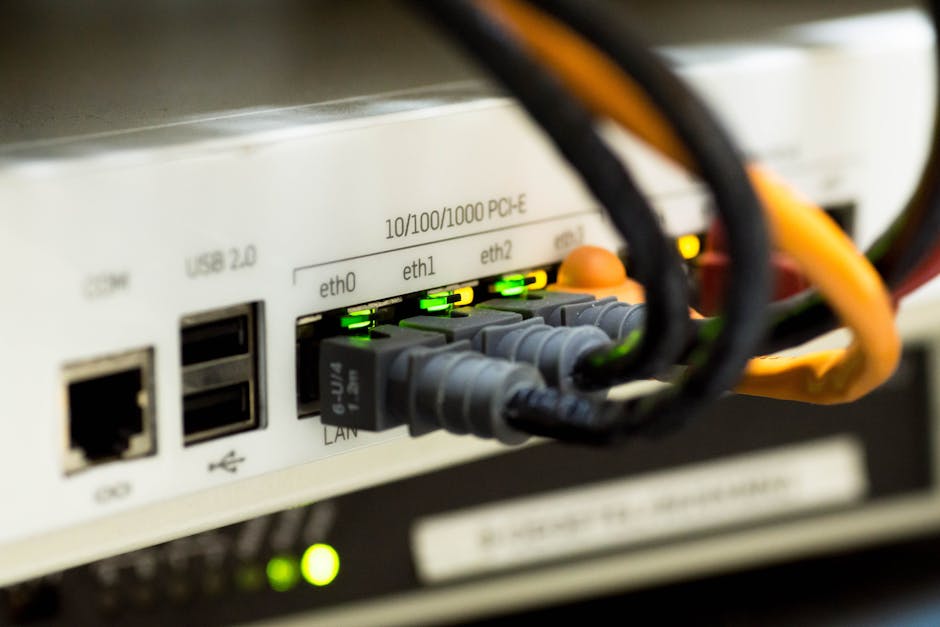
Best for: Users who want high speeds with broad availability and bundled TV/phone options.
Pros:
- Excellent coverage (99% availability in many markets like Reading, PA)
- Speeds up to 2 Gbps available in some areas; starting at reasonable price points
- Flexible bundling (internet, TV, phone) if you want all-in-one service
- Strong customer base and established infrastructure
Cons:
- Data caps on some plans (varies by location)
- Customer service complaints are common in online reviews
- Promotional pricing often increases after year one
- Long-term contract requirements on some offers
Speed & Pricing: Starting around $40/month for lower-tier speeds; speeds and promotions vary significantly by location.
#4: Kinetic (EarthLink)
Best for: Customers who want to avoid long-term contracts and prefer flexible, month-to-month plans.
Pros:
- No long-term commitment required (month-to-month flexibility)
- Available as both DSL and fiber in 78% of some markets
- Transparent, straightforward pricing without hidden fees
- Competitive speeds for residential users
Cons:
- Fiber availability limited compared to cable providers
- DSL speeds slower than cable or fiber (typically 25-100 Mbps)
- Less brand recognition than Comcast or Verizon
Speed & Pricing: Speeds up to 1 Gbps on fiber; DSL options available at lower price points with no contract lock-in.
#5: Starlink
Best for: Rural properties, remote areas, and locations without fiber or cable service.
Pros:
- 99% availability nationwide (including rural areas)
- No geographic limitations (works almost anywhere with clear sky view)
- Decent speeds for rural broadband (150+ Mbps in many cases)
- No traditional installation or long-term contracts
Cons:
- Higher latency than terrestrial broadband (not ideal for competitive gaming or real-time trading)
- Significant hardware cost upfront ($600+)
- Weather can affect performance
- Overkill for users with fiber or cable available locally
Speed & Pricing: Speeds 150+ Mbps; monthly service around $120 plus hardware investment.
#6: T-Mobile Home Internet
Best for: Budget-conscious users in areas with strong T-Mobile 5G coverage who don’t need top-tier speeds.
Pros:
- Affordable (around $50/month with no long-term contract)
- Reaches 64% of some markets where fiber may not be available
- Simple setup (plug-and-play router)
- No data caps
Cons:
- Speeds variable and location-dependent (often 50-72 Mbps average)
- Performance degrades with congestion on local towers
- Requires good T-Mobile 5G signal at your address
- Not suitable for heavy streaming, video conferencing, or multiple simultaneous users
Speed & Pricing: Typically 72+ Mbps; $50/month with no contract.
How to Choose the Right Provider for Your Situation

Check availability first. Not all providers serve every address. Use our tool at myneighborhoodwifi.com to see which providers actually service your location before comparing plans.
Match speed to your needs. Working from home on video calls? Streaming 4K video? Hosting online gaming tournaments? You need at least 100 Mbps download and 10 Mbps upload. For most households with 2-3 devices, 100-300 Mbps is plenty. Business users and content creators should prioritize fiber with symmetrical speeds.
Prioritize contract flexibility. Avoid long-term contracts if you can. Month-to-month plans give you the freedom to switch if service doesn’t meet expectations or if a new provider launches in your area.
Ask about promotional pricing. Many providers advertise a low rate for year one, then raise it significantly. Ask the provider or broker what the price will be after the promo period ends.
Get expert help. This is where myneighborhoodwifi.com makes a real difference. Instead of calling each provider individually and hearing different pitches, you get one conversation with someone who knows your local market and negotiates on your behalf. It’s faster, less stressful, and saves money.
Why Location Matters (More Than You Think)
Internet availability and pricing vary dramatically by ZIP code. A neighborhood three miles away might have fiber access you don’t have. Another street in your town might only qualify for DSL. myneighborhoodwifi.com specializes in these neighborhood-level details and can tell you exactly what’s available at your address.
According to FCC broadband data, approximately 21 million Americans still lack access to broadband speeds of 25 Mbps download and 3 Mbps upload. Location-based availability remains the #1 factor in choosing a provider.
The Bottom Line
The “best” internet provider for you depends on three things: what’s available in your area, the speeds you need, and your budget. Fiber (Verizon Fios, AT&T Fiber) is the gold standard for speed and reliability if available. Cable (Xfinity) offers a solid middle ground with broad coverage. DSL (Kinetic) works well for light users who value flexibility. Starlink serves rural areas. And budget providers like T-Mobile Home Internet fill a niche for cost-conscious users in good coverage areas.
Rather than comparing providers blindly, start by verifying what’s actually available at your address. myneighborhoodwifi.com handles that research for you, compares pricing across all available options, and coordinates same-day installation at no extra cost. That’s the fastest path to the right internet service for your needs.
Frequently Asked Questions
What internet speed do I actually need?
It depends on how you use the internet. For basic web browsing and email, 25 Mbps is fine. For streaming video and video conferencing, aim for 50-100 Mbps. If you work from home, host video calls, or have multiple family members using the internet simultaneously, 100-300 Mbps is a safe range. Gaming and 4K streaming benefit from speeds over 300 Mbps.
Is fiber internet worth the extra cost?
Yes, if it’s available in your area. Fiber delivers the fastest speeds, most consistent performance, and symmetrical upload/download—critical for professionals working from home, content creators, and businesses. If you’re paying for cable or DSL and fiber becomes available, switching is usually worth it.
How do I avoid long-term contracts?
Ask providers about month-to-month plans before signing up. Not all providers offer them, but many do. Kinetic, for example, is known for flexible month-to-month options. When comparing providers on myneighborhoodwifi.com, we highlight contract-free plans alongside traditional options.
Can I get a better deal if I call the provider directly?
Rarely. Most providers follow internal pricing guidelines. However, a broker like myneighborhoodwifi.com can negotiate promotional rates because we bring them volume. Plus, brokers do the legwork of comparing all available options—something you’d have to do by calling each provider separately, which takes hours.
Ready for faster internet?
Have questions? Give us a call.
Picking a home internet provider shouldn’t feel like guesswork, but for most households it does. Two neighbors on the same street can have completely different options, one gets full fiber, the other is stuck choosing between cable and a wireless hotspot and the marketing on provider websites rarely makes the real trade-offs clear.
The short answer: the best home internet provider for you is whichever one delivers the connection type that matches your usage (fiber for heavy upload and multi-device homes, cable where fiber isn’t built yet, 5G home internet for flexibility and simple setup) at a price and contract length you’re actually comfortable with. Everything below explains how to apply that to your specific address.
What Best Actually Means for Home Internet
There’s no single best internet provider nationally availability is hyper-local, sometimes down to the individual block. What you can evaluate objectively, regardless of provider name, are five factors:
- Connection type — fiber, cable, fixed wireless (5G home internet), DSL, or satellite
- Download and upload speed — and whether they’re symmetrical
- Latency — how quickly data round-trips, critical for video calls and gaming
- Data caps and contract terms — unlimited vs. capped, month-to-month vs. locked in
- Reliability during peak hours — the number that matters more than the “up to” speed on the box
A provider that wins on price but loses on reliability isn’t actually cheaper once you count the hours lost to buffering, dropped calls, and outage-related work delays.
Fiber-Optic Internet – The Benchmark, Where It’s Available
Fiber-optic internet sends data as light through glass cable rather than electrical signals through copper or coax, which is why it consistently delivers the fastest, most stable connections on the market. Two things set fiber apart from every other connection type:
- Symmetrical speeds — upload speed matches download speed, so a plan advertised at 500 Mbps gives you 500 Mbps up and down. This matters enormously for cloud backups, video conferencing, livestreaming, and remote work, where cable’s upload speeds (often a fraction of download speeds) become the bottleneck.
- Low, consistent latency — fiber doesn’t degrade under heavy neighborhood usage the way shared cable networks can during peak evening hours.
The catch is availability. Fiber build-out is expensive and providers prioritize dense neighborhoods first, so large parts of suburban and rural America still don’t have it. If fiber is available at your address, it’s almost always the right default choice unless price is a hard constraint.
Cable Internet – The Widest Coverage Footprint
Cable internet, delivered over the same coaxial infrastructure used for cable TV, remains the most widely available high-speed option in the U.S. Download speeds on modern cable plans are genuinely competitive with fiber often 300 Mbps to 1.2 Gbps but upload speeds are typically much lower, and performance can dip slightly during high-traffic hours because bandwidth is shared across a neighborhood node.
Cable is a strong, sensible choice for households that primarily download and stream rather than upload large files or livestream regularly. It’s also usually the fallback option in areas where fiber hasn’t reached yet.
5G Home Internet and Fixed Wireless: Fast to Set Up, No Cable Required
5G home internet offered as a wireless router that pulls a cellular signal instead of a wired line has become a legitimate mainstream option, not just a stopgap. Installation is plug-and-play: no technician visit, no drilling, no buried line. That makes it especially popular with renters and anyone who wants to avoid installation fees or long service appointments.
Performance depends heavily on cell tower proximity and network congestion, so speeds can vary more than fiber or cable, and it’s generally not the best fit for households running multiple simultaneous 4K streams, competitive online gaming, and video calls at once. But for single-person households, apartments, or as a flexible no-contract option, it’s often the most convenient home internet provider category available.
Satellite Internet – The Last-Resort Option That’s Gotten Much Better
For genuinely rural addresses with no cable, fiber, or fixed wireless coverage, low-earth-orbit satellite internet has closed much of the gap that older satellite services couldn’t. Latency is still higher than terrestrial connections, which affects real-time applications like gaming, but for browsing, streaming, and remote work outside dense population areas, it’s now a workable primary connection rather than a last resort.
Questions to Ask Before You Sign Up With Any Provider
Before comparing prices, run any home internet provider through the same short checklist:
- Is the advertised price the price after the promotional period ends? Many “starting at” rates increase after 12 months.
- Is there a data cap, and what happens if you exceed it?
- Is the contract month-to-month or does it include an early termination fee?
- What’s the average download and upload speed at peak hours, not just the theoretical maximum?
- What’s included in “free installation” is professional setup actually free, or is it self-install-only?
Providers that are confident in their service tend to answer these plainly. Vague answers on contract length or peak-hour speeds are a signal worth taking seriously.
Getting the Most Out of the Plan You Choose
Provider choice is only half the equation home network setup accounts for a surprising share of slow internet complaints that have nothing to do with the ISP. A few adjustments that consistently improve real-world performance:
- Place the router centrally and off the floor, away from thick walls and large appliances
- Use a wired Ethernet connection for anything stationary and bandwidth-heavy (gaming consoles, desktop PCs, smart TVs)
- Restart the router and modem periodically, or set them to auto-reboot overnight
- Segment smart-home devices onto a guest network to keep primary bandwidth clear
- Run a speed test at different times of day before assuming the provider is underperforming
Switching Providers Without the Headache
If you’re moving away from a current provider, timing matters. Confirm service is active at the new address before cancelling the old one, ask whether the new provider covers early termination fees (many do, as a signup incentive), and return old equipment promptly to avoid unreturned-equipment charges. Most switches can be completed with zero downtime if the new installation is scheduled a few days ahead of the cancellation date.
Frequently Asked Questions
What is the best type of home internet provider for a family that streams and works from home?
Fiber-optic internet is generally the best fit for households with multiple people streaming, working, and video-calling simultaneously, because its symmetrical upload and download speeds handle simultaneous heavy usage without slowing down. Where fiber isn’t available, high-tier cable plans are the next-best alternative.
How much internet speed do I actually need at home?
For a household with 2–4 devices doing normal streaming, browsing, and video calls, 100–300 Mbps download is typically sufficient. Households with heavy 4K streaming across multiple screens, large file uploads, or several remote workers should look at 500 Mbps to 1 Gbps plans, ideally with strong upload speeds.
Is fiber internet always better than cable internet?
Fiber generally offers faster, more symmetrical speeds and more consistent performance during peak hours, but “better” depends on use case and price. If a household mainly streams and browses, a well-priced cable plan can perform just as well in daily use as an entry-level fiber plan.
Can I get home internet without a long-term contract?
Yes. Many providers now offer month-to-month or no-contract home internet plans, particularly 5G home internet and some fiber providers. These plans sometimes cost slightly more per month than promotional contract pricing but avoid early termination fees entirely.
Why is my internet slow even though I pay for a high-speed plan?
Slow speeds despite a high-speed plan are usually caused by router placement, too many devices sharing Wi-Fi, outdated equipment, or peak-hour network congestion rather than the advertised plan speed itself. Running a wired speed test and checking router placement resolves the issue in most cases before it’s necessary to contact the provider.
How do I check which internet providers are available at my address?
Availability is address-specific, so the most reliable way to check is entering your ZIP code or full address directly on a provider’s site or a coverage-checking tool, since national coverage maps often lag behind actual local build-out.
The best internet for working from home is a dedicated fiber-optic connection with symmetrical speeds of at least 300 Mbps, latency under 20 ms, and unlimited data. Fiber-optic outperforms cable, 5G, and satellite by delivering stable video conferencing, fast cloud backups, and consistent performance even during peak household usage hours.
Dropped Zoom calls. A file upload that stalls at 99%. A VPN that disconnects right before a client presentation. For remote workers, these aren’t just technical glitches they translate directly into missed deadlines, damaged professional credibility, and lost billable hours.
The problem usually isn’t raw speed. Internet Service Providers (ISPs) aggressively market eye-catching download figures like “1 Gig Internet!” while burying a critical weakness in the fine print: upload speeds that can’t handle the demands of modern remote work. At My Neighborhood Wifi, we help remote workers cut through marketing hype and evaluate their home internet setup across bandwidth allocation, hardware placement, and network redundancy.
This guide covers everything you need: recommended speeds by work profile, a full comparison of fiber vs. cable vs. 5G vs. satellite, the truth about upload speed, Wi-Fi optimization tactics, and backup strategies to protect against outages.
What Are the Recommended Internet Speeds for Remote Work in 2026?
Speed requirements vary considerably depending on what your workday actually looks like. To find the right plan, separate two distinct metrics: download speed (receiving data, such as loading a webpage or streaming a video) and upload speed (sending data, such as sharing your screen or transferring large project files to cloud storage).
| Remote Work Profile | Min. Download | Min. Upload | Ideal Latency | Best Connection Type |
| Basic Administration (email, Slack, web browsing) | 50 Mbps | 10 Mbps | Under 50 ms | Cable, 5G Home, Fiber |
| Standard Professional (daily HD video calls, cloud docs) | 300 Mbps | 300 Mbps | Under 20 ms | Fiber Optic |
| Power User / Creative (4K editing, large CAD or dev files) | 500–1,000 Mbps | 500–1,000 Mbps | Under 15 ms | Dedicated Fiber Optic |
| Multi-User Household (2+ remote workers, smart home devices) | 1,000 Mbps | 1,000 Mbps | Under 15 ms | Mesh-Equipped Fiber |
A key takeaway from this table: as soon as your work involves live video collaboration, cloud syncing, or large file transfers, symmetrical upload speed stops being optional. It becomes the deciding factor between a smooth workday and a frustrating one.
Fiber vs. Cable vs. 5G vs. Satellite: Which Internet Connection Wins for Remote Work?
Not all megabits behave the same way. The underlying technology delivering internet to your home office directly determines connection stability during critical work hours.
| Connection Type | Speed Symmetry | Typical Latency | Weather Reliability | Remote Work Suitability |
| Fiber-Optic | 100% Symmetrical | 5–15 ms | Excellent | Tier 1 (Gold Standard) |
| Cable (DOCSIS 3.1) | Asymmetrical (low upload) | 20–50 ms | Good | Tier 2 (Sufficient) |
| 5G Home Internet | Highly Variable | 30–70 ms | Moderate | Tier 3 (Budget / Backup) |
| Satellite (LEO/GEO) | Asymmetrical | 40–600+ ms | Poor | Tier 4 (Rural Emergency Only) |
Fiber-Optic transmits data as pulses of light through glass or plastic cables, which is why latency sits between 5 and 15 ms and symmetrical gigabit speeds are achievable. It remains the gold standard for home office setups.
Cable (DOCSIS 3.1) can reach 1,000 Mbps download, making it a viable fallback. The core limitation: upload speeds are typically capped at 35 Mbps, a figure that becomes a real bottleneck during active video calls and cloud workflows.
5G Home Internet offers a convenient no-installation option, but speeds fluctuate based on tower congestion, building materials, and local obstructions. It works well as a secondary failover connection, not a primary one.
Satellite (GEO) carries latency above 600 ms, making real-time communication tools like Microsoft Teams or Zoom nearly unusable. Low Earth Orbit (LEO) satellite services like Starlink have reduced latency to roughly 40–80 ms, a meaningful improvement, but still unsuitable for professionals who rely on jitter-free video calls daily.
Why Upload Speed Matters More Than Download Speed for Zoom and Microsoft Teams
Most cable providers advertise a plan as “1,000 Mbps,” which sounds impressive. What that figure omits: uploads are capped at just 35 Mbps on most standard cable tiers. That gap creates a real-world performance problem that no amount of download bandwidth can fix.
Here’s what each configuration actually looks like during a typical remote workday:
Problematic setup (asymmetrical cable):
Advertised speeds of 1,000 Mbps download and 35 Mbps upload. During an active file upload to Google Drive or OneDrive, that 35 Mbps pipe saturates instantly. The result: video freezes on Microsoft Teams, audio cuts out, and VPN connections drop due to upload packet loss.
Reliable setup (symmetrical fiber):
Advertised speeds of 500 Mbps download and 500 Mbps upload. The same file upload happens simultaneously with 60fps screen sharing, instant cloud syncing, and zero audio distortion.
According to network performance research, maintaining latency under 20 ms with zero packet loss delivers more measurable benefit for real-time communication tools than raw download bandwidth above 500 Mbps. Upload symmetry and low latency are the two metrics worth prioritizing first.
How Do You Optimize Your Home Wi-Fi Setup for Zero Connection Drops?
A gigabit fiber connection entering your home means little if your router cannot distribute that bandwidth efficiently to your workspace. Four hardware and configuration changes make a measurable difference.
1. Connect via Ethernet Instead of Wi-Fi
Running a Cat6 or Cat6a Ethernet cable directly from your router to your computer or laptop dock eliminates the single largest source of home office connectivity problems. A wired connection removes environmental Wi-Fi interference, reduces localized latency spikes, and virtually eliminates packet loss caused by signal obstruction.
2. Optimize Router Placement
When a wired connection is not feasible, router position matters significantly. Elevate a Wi-Fi 6E or Wi-Fi 7 router off the floor, away from concrete walls, metal appliances, and 2.4 GHz interference sources such as microwaves or Bluetooth hubs. A centrally located router at mid-wall height consistently outperforms one tucked into a corner cabinet.
3. Deploy a Tri-Band Mesh Wi-Fi System for Multi-Story Homes
A single router struggles to maintain throughput across multiple floors or rooms separated by dense building materials. A tri-band mesh Wi-Fi network with a dedicated wireless backhaul channel keeps performance high across the entire home without the dead zones that plague traditional router and extender setups.
4. Configure Quality of Service (QoS) Rules
Log into your router’s admin panel and enable Quality of Service (QoS) settings. Tag your work laptop’s MAC address as the highest-priority device on the network. This ensures your video calls and cloud workflows receive bandwidth preferentially over streaming televisions or gaming consoles during peak household usage hours.
What Backup Internet Strategies Protect Remote Workers Against Outages?
A single ISP connection leaves your workday vulnerable to neighborhood infrastructure cuts, local power failures, and unplanned provider outages. Professionals whose income depends on reliable connectivity should build a layered redundancy system.
Secondary 5G Failover: Pair your primary fiber or cable connection with a dedicated 5G Home Internet plan or a mobile hotspot router. When the primary line goes down, a 5G backup handles email, messaging, and light video calling with minimal interruption.
Dual-WAN Load-Balancing Router: A small business dual-WAN router automatically switches traffic to the backup connection within approximately three seconds of detecting a primary line failure. Most users never notice the transition.
Uninterruptible Power Supply (UPS): Plug both your optical network terminal (ONT) or modem and your primary router into a battery backup UPS rated at 800VA or higher. This keeps your Wi-Fi running during localized electrical outages that would otherwise leave you completely offline.
Choosing the Right Home Internet Provider: Final Recommendation
Securing the best internet for working from home comes down to three non-negotiables: symmetrical speeds, low latency and hardware that can actually distribute your connection cleanly to your workspace.
Prioritize a fiber-optic provider in your area first. If fiber-optic service is unavailable at your address, secure a high-speed cable plan paired with your own Wi-Fi 6 or Wi-Fi 7 router and a direct Ethernet connection to your workstation. Add a 5G failover plan for outage protection, and configure QoS rules to prioritize work traffic across the household.
Ready to find the right plan for your address? Use My Neighborhood Wifi local ISP coverage tool to compare top fiber, cable and 5G providers side by side.
Frequently Asked Questions
Is 100 Mbps fast enough to work from home?
Yes. 100 Mbps supports a single remote worker handling standard web tasks, email, and HD video calls without issues. If multiple people in the same household are streaming, gaming, or uploading large files at the same time, upgrading to at least 300 Mbps symmetrical service is recommended to prevent congestion.
Does a VPN slow down your internet speed when working from home?
Yes. A Virtual Private Network (VPN) typically reduces internet speeds by 10% to 30%, depending on the VPN provider and the distance to the enterprise server being routed through. Starting with a higher base speed, particularly on a symmetrical fiber plan, minimizes the practical impact of VPN overhead on day-to-day performance.
How much data does working from home use per month?
An average remote worker consumes between 300 GB and 700 GB of data per month. Roles involving heavy cloud backups, 4K screen sharing, or large dataset downloads can exceed 1 TB monthly. Unlimited data plans eliminate the risk of surprise overage fees or ISP throttling during high-usage billing periods.
Should I buy my own router or rent one from my ISP?
Buying your own router is the better long-term decision. ISP-provided gateway units typically lack advanced QoS controls, offer limited configuration options, and cost between $10 and $15 per month in rental fees. A quality aftermarket router pays for itself within a year and delivers meaningfully better performance for home office setups.
What is the minimum latency required for reliable Zoom or Microsoft Teams calls?
Latency under 20 ms provides jitter-free real-time communication on tools like Zoom and Microsoft Teams. Latency between 20 and 50 ms is generally acceptable for most calls. Above 50 ms, audio and video quality begin to degrade noticeably, particularly during screen-sharing sessions or multi-participant calls.

Top Internet Providers Offering Flexible Student Friendly Plans
Finding reliable WiFi at a reasonable price can feel like a full-time job for college students. Between textbooks, tuition, and living expenses, stretching every dollar matters. That’s why many people search for student friendly internet plans that balance affordability, performance, and flexibility. In this post, we’ll explore top options worth considering, along with tips to save even more money on your neighborhood WiFi setup.
Why Students Need Flexible Internet Plans
Students today rely on the internet for everything from streaming lectures to running group projects through video calls. The right plan should fit into a college lifestyle, offering flexibility and value without locking you into something too restrictive.
Key features that matter for students:
- Affordable pricing: Budget is usually the biggest concern.
- No long contracts: Temporary housing and off-campus leases mean flexibility rules.
- Fair speeds: Enough bandwidth for Zoom classes, research, and binge-worthy study breaks.
- Streaming support: Education aside, entertainment keeps student life balanced.
Many students also rely on public WiFi hotspots near coffee shops and libraries. While free is great, it rarely replaces having a dependable network at home.
Top Internet Providers with Student-Friendly Plans
Let’s dive into providers and options that stand out for student households, keeping affordability and flexibility at the forefront.
1. Neighborhood and Local ISPs
In many college towns, small regional ISPs and community broadband programs design plans specifically for students. These providers often partner with universities to roll out short-term options that line up with semester schedules.
- Semester or month-to-month billing instead of annual contracts.
- Discounts available through student housing offices.
- Campus partnerships that sometimes include basic WiFi as part of tuition or housing fees.
Checking in with local community boards, or even browsing related discussions on Reddit, can help students discover deals that aren’t heavily advertised.
2. Prepaid and Pay-As-You-Go Internet
Another student-friendly option is prepaid internet service. These plans let you pay upfront for a fixed amount of service with no credit checks or long-term commitments. Once a billing cycle ends, you can decide to renew or pause, which is handy if you’re away during breaks.
- No contracts, no late fees, and predictable costs.
- Flexibility to scale up or down depending on your semester’s workload.
- Often works seamlessly with mobile hotspots.
3. Campus WiFi Extensions
Some universities extend their campus WiFi networks to student housing areas nearby. These are often included in student fees, reducing the need to shop for outside providers. While range and reliability vary, it’s worth checking with the school IT office before signing for external service.
Factors to Compare When Choosing a Plan
Not all student internet options are created equal. Here’s what to evaluate before signing up:
| Factor | Why It Matters |
|---|---|
| Cost | Fits student budgets without surprise fees. |
| Contract Length | Short-term flexibility aligns with leases and semesters. |
| Speed | Enough bandwidth for streaming classes, downloads, and entertainment. |
| Equipment | Free/discounted routers or modems save upfront expenses. |
| Customer Support | Accessible help is crucial when deadlines depend on WiFi reliability. |
Saving Extra on Student Internet
Apart from student-focused plans, here are ways to make internet expenses lighter:
1. Student Discounts
Always ask if discounts apply. Some providers quietly offer student or educational discounts if you verify with a school email address.
2. Equipment Sharing
Roommates can split the bill. Instead of individual plans, pooling resources into one solid plan ensures everyone saves.
3. Free and Public WiFi
Libraries, coffee shops, and even some city initiatives provide free WiFi hotspots. For example, municipal wireless networks are appearing in more cities, offering free internet access across public spaces.
4. Router Optimization
Even the best plan disappoints if WiFi reach is poor. Proper placement of routers—avoiding thick walls, microwaves, or closed cabinets—can maximize speeds. Communities often share setup tips on Quora or tech-focused Facebook groups.
Stories from Students Who Saved
Browsing forums like Reddit’s College subreddit or Quora shows countless student stories of finding affordable WiFi. Many mention temporary prepaid solutions during internships or summer semesters. Others emphasize how pooling with roommates not only cut bills but improved connectivity quality in the household.
Final Thoughts on Student-Friendly Internet Plans
Flexible, affordable internet is no longer just a convenience for students—it’s a survival tool. Whether it’s a prepaid option, a semester-linked local plan, or maximizing free campus resources, students can find solutions to stay online without breaking the bank. Always compare local offers, ask about student discounts, and tap into peer communities on Facebook or Reddit to uncover hidden deals.
In the end, the best choice depends on where you live, how often you’re online, and the flexibility you need during the ebb and flow of college semesters. By knowing what to look for, you can set up a reliable WiFi connection that keeps you learning, streaming, and connected on your terms.

## Best Internet Providers for Student-Friendly Contracts
If you’re a student looking to stay connected without breaking the bank, it’s crucial to find an internet provider that offers flexible, affordable, and campus‑friendly plans. Whether you’re studying remotely, streaming lectures, or just catching up on binge‑video during study breaks, the right contract can make all the difference. In this article, we’ll break down what to look for, highlight top providers that cater to student budgets, and explain why a student‑friendly contract is worth the extra effort.
### Why Student‑Friendly Contracts Matter
– **Budget‑conscious** – Most students live on part‑time jobs or monthly stipends, so cap‑free packages help avoid surprise fees.
– **Flexibility** – Semester‑based contracts let you pause or cancel services when you graduate.
– **Speed for Online Learning** – Reliable upload/download speeds are essential for video conferencing and cloud‑based coursework.
### Choosing the Right Provider
When exploring providers, keep these core factors in mind:
#### Internet Speed and Reliability
– Look for plans that guarantee a minimum speed above 25 Mbps download.
– Evaluate the provider’s uptime track record if possible.
#### Cost Structure
– Flat‑price plans over the semester often beat pay‑per‑month deals.
– Beware of hidden activation fees that can inflate the total cost.
#### Student Discounts
– Many providers offer dedicated student discounts; check if the discount requires a student ID.
#### Customer Support
– Mobile or 24/7 chat support is handy when you hit a hiccup outside campus hours.
### Top Student-Friendly Providers in Canada
| Provider | Typical Monthly Cost | Key Student Benefit | City Availability |
|—|—|—|—|
| **EastLink** | $30–$35 | No lock‑in contracts, split‑bill options | Calgary |
| **PrivatePlanet** | $25–$45 | Student discount up to 10%, campus‑grade speeds | Edmonton |
| **V9 Communications** | $20–$40 | Unlimited data on select plans, prepaid options | Calgary |
| **FreedomFi** | $35–$50 | 24/7 chat support, customizable data caps | Edmonton |
> **Tip:** Many of these providers offer free installation and router rental, which is especially useful for students who can’t afford a new modem.
### How to Set Up a Student‑Friendly Contract
#### 1. Compare Semester Pack Options
– Check if the provider offers a 4‑month or 9‑month “semester” pack.
– Verify that you can cancel without a penalty at the end of the term.
#### 2. Verify Data Caps
– While unlimited plans are attractive, some providers throttle speeds after a threshold.
– Use the provider’s data monitoring tools to avoid unnecessary throttling.
#### 3. Secure the Student Discount
– Many services need you to register with a .edu email address or upload a copy of your student ID.
– Double‑check the discount duration—some only apply for the first 12 months.
#### 4. Check the Service Coverage
– Use the provider’s coverage map before subscribing.
– **Calgary** and **Edmonton** have varied outdoor coverage depending on neighbourhoods.
### Frequently Asked Student Questions
– **Do student contracts require a deposit?**
Some carriers need a refundable deposit, usually 2–3 months’ fees. Look for “no‑deposit” plans for a truly student‑friendly experience.
– **Can I share the plan with roommates?**
Yes—most providers allow up to four devices to share the same bandwidth. Ensure your Wi‑Fi password is long enough to keep unauthorized users out.
– **What if my internet disconnects mid‑exam?**
Seek providers that prioritize response times for students or those who have dedicated support channels for academic users.
### Getting the Most Out of Your Student Internet
– **Use cable or wired adapters** for your laptop during critical sessions; Wi‑Fi can be unpredictable.
– **Apply for a Wi‑Fi booster** if you’re in a multi‑story apartment; this improves signal consistency in low‑coverage areas.
– **Set a monthly data budget within your router**—many routers allow you to monitor usage so you stay within the plan limits.
### Next Steps
If you’re ready to lock in a student‑friendly contract, start by reviewing the local options in your city.
– For Calgary students, the **Calgary** service page lists all current student‑discount deals.
– Edmonton residents can find the best offers on the **Edmonton** page.
Before you commit, read through the provider’s terms carefully. Options like a 30‑day trial can help you test the network without long‑term obligations.
*Happy surfing, and may your bandwidth always be fast enough for those late‑night cram sessions!*

**Everything About Internet Installation Costs—What to Expect**
*Published on MyNeighborhoodWiFi.com • readonly by a local Wi‑Fi guide*
—
### First Things First: Why Knowing Internet Installation Costs Matters
Your home or office isn’t just a place to live or work—it’s where you stream movies, video‑chat your kids, and run a remote‑first business. All of that relies on a solid internet connection. When you’re in the market for a new plan, the word **Internet Installation Costs** pops up first on everyone’s mind. Those costs can cover a simple modem setup, fiber‑optic cable laying, or full‑blown enterprise wiring.
Understanding what drives the price so you can budget correctly—without the surprise bill that creeps up later—is why we’re diving into every detail.
—
## 1. What Factors Influence Internet Installation Costs?
| Factor | How It Affects Price | Typical Range |
|——–|———————-|—————|
| **Type of Connection** | DSL & cable are cheaper than fiber or satellite due to existing infrastructure. | $0–$75 |
| **Distance to Service Hub** | The farther you are from the provider’s cabinet, the more cable work needed. | $100–$300 |
| **Home/Business Wiring** | Older homes may need rewiring, especially if you want in‑wall Ethernet. | $200–$1,000 |
| **Service Plan Level** | High‑speed or 5 Gbit plans can cost more upfront. | $50–$150 |
| **Permitting & Labor** | Municipal permits or specialized labor add the final stretch. | $100–$400 |
> **Statistic** – *According to the Federal Communications Commission, the average cost of installing fiber‑optic service in a suburban U.S. home is around $250.*
—
### 1.1 Types of Installation
– **Cable & DSL** – No extra wires; provider plugs a modem into the wall jack.
– **Fiber‑Optic** – Clean, high‑speed lines run to a home or street cabinet.
– **Copper‑Based (AT&T U‑verse, etc.)** – Often older; can be limited in maximum speed.
– **Satellite** – Common in rural areas; installation includes an aerial dish.
—
## 2. Typical Internet Installation Charges
| Service | Standard Installation Fee |
|———|—————————|
| Cable / DSL | **$0–$75** (many providers waive it with a new contract) |
| Fiber‑Optic | **$100–$300** (depends on distance & complexity) |
| Ethernet (LAN) | **$200–$600** for in‑home/office cabling |
| Business Wiring | **$500–$2,000** (depending on office size) |
| Satellite | **$150–$300** for dish and cabinet |
> ⚠️ *Expect the installation charge to be a flat fee, but keep an eye out for hidden labor costs.*
—
### 2.1 What’s Included?
– **Materials** – Modems, routers, cables.
– **Labor** – Technician time for setup & testing.
– **Configuration** – Assigning IP addresses, setting Wi‑Fi SSID/password.
—
## 3. Hidden Fees and Extra Charges
| Item | Why It Happens | What to Watch For |
|——|—————-|——————-|
| **Cable Laying Future Needs** | To allow for upgrades, providers may install a “future‑proof” conduit. | Extra $50–$200 |
| **Permit Fees** | Some cities require permits for digging or mounting. | $30–$120 |
| **Rewiring Your House** | Older homes may need new walls or conduits. | $200–$1,000 |
| **Service Tier Upgrade Fees** | Upgrading mid‑service can incur an additional charge. | $30–$100 |
> **Tip** – *Ask your provider about any “contract fees” or “future upgrades” that can sleep in your final bill.*
—
## 4. Comparing Costs: Home vs Business
| Cost Aspect | Home | Business |
|————-|——|———-|
| **Setup Fee** | $0–$75 | $100–$300 |
| **Equipment Cost** | $50–$150 | $200–$600 |
| **Monthly Service** | $40–$80 | $80–$200 |
| **Contract Length** | 1–2 years common | 2–5 years typical |
> **Stat** – *A study by Wired Intelligence found businesses save 20‑30% on installation costs when bundling multiple lines.*
—
## 5. Choosing the Right Provider
When you’re comparing “Affordable WiFi Service in Wyandotte, MI 48192” to “High-Speed Internet in Dearborn, MI 48126,” keep these factors in mind:
– **Local Coverage** – A provider who already serves your city will have fewer installation hurdles.
– **Support Availability** – 24/7 help can be lifesavers after setup.
– **Contract Flexibility** – Look for no‑exit fees if you want to switch.
### 5.1 Check Out These Local Options
– **High-Speed Internet in Dearborn, MI 48126** – Offers fiber upgrades available immediately.
– **Affordable WiFi Service in Wyandotte, MI 48192** – Great for budget families; installation is often free with a new plan.
– **Internet Installation Services in Lansing, MI 48910** – Ideal for small businesses needing dedicated lines.
—
## 6. How to Get the Best Deal on Installation
| Step | What to Do | Why It Works |
|——|————|————–|
| **Shop Around** | Compare at least 3 providers. | Prices can differ 30‑50%. |
| **Ask About Bundle Deals** | Package Wi‑Fi with TV or phone. | Bundles can lower the per‑service cost. |
| **Negotiate the Installation Fee** | Some technicians will front‐load labor costs. | You might get $50‑$100 back. |
| **Read the Fine Print** | Look for “free” installation wording. | A hidden “replacement” clause may trap you. |
| **Use Local Incentives** | Some city programs waive permits for new connections. | Saves a few hundred dollars. |
—
## 7. Final Checklist Before You Call a Technician
– [ ] Confirm the exact type of service (fiber, DSL, etc.).
– [ ] Verify the total installation charge.
– [ ] Ask for a written estimate that includes permit fees.
– [ ] Set a date that gives you ample time to prepare (e.g., remove wall decorations).
– [ ] Keep the provider’s contact info handy for follow‑up questions.
—
## 8. Quick Gallery of the Process (Image)

*Photo courtesy of Pexels. (Royalty‑free)*
—
## 9. Summary
– **Internet Installation Costs** vary by connection type, distance, and home complexity.
– **Typical fees** range from free for DSL to $300+ for fiber or professional rewiring.
– **Hidden comes with a fee** you must watch: permits, future‑proof conduits, and rewiring.
– **Local providers** like *High-Speed Internet in Dearborn, MI 48126* and *Affordable WiFi Service in Wyandotte, MI 48192* can offer smaller, more accurate quotes.
– **Negotiation and bundling** are your best friends in trimming those upfront costs.
Know what to expect, ask the right questions, and you’ll enjoy a seamless setup that keeps your lights on and your bandwidth high.
—
### Ready to Get Connected?
If you’re in the Dearborn, MI 48126 area, click here for **High-Speed Internet in Dearborn, MI 48126** and a chat with a local technician today.
In Wyandotte, MI 48192, ask for **Affordable WiFi Service in Wyandotte, MI 48192** and see how a free installation can fit your budget.
Need a quick internet hookup for a small business? Explore the **Internet Installation Services in Lansing, MI 48910** for tailored enterprise solutions.
Happy browsing—and stay connected!