Posts tagged: internet options denver co
Have questions? Give us a call.
Finding internet providers near you doesn’t have to be a headache. The truth is, most neighborhoods have multiple options to choose from, and the trick is knowing where to look and what questions to ask before you sign up.
The United States has roughly 2,891 internet service providers operating across different regions. Some serve entire states. Others focus on a few neighborhoods. Major providers like Verizon, AT&T, Xfinity, and Spectrum show up in most areas, but you might also find smaller regional carriers or fiber-only companies depending on where you live.
Related: Fiber Internet for Business: Speed, Pricing & Providers (2026)
Related: Best Business Internet 2026: Top 5 Providers Ranked
Related: Best Home Internet 2026: Top 6 Providers Ranked & Compared
Related: Best Dedicated Internet Access 2026: Top 5 Providers Ranked
Here’s what you need to know to find the right provider for your location and needs.
How to Find Internet Providers in Your Area
The fastest way to find internet providers near you is to enter your zip code or full address into a comparison tool. This is the only way to know what’s actually available at your location, because service areas can change block by block.
Start by visiting a trusted comparison site and plugging in your address. Within seconds, you’ll see which providers serve your area, what speeds they offer, and estimated pricing. This beats calling around or guessing.
If you want help narrowing down your options and understanding which plan makes sense for your situation, myneighborhoodwifi.com connects you with local experts who can walk you through available providers and get you set up with no extra charges. We work with leading providers including AT&T Fiber, Xfinity, Spectrum, WOW!, and EarthLink to make sure you’re comparing apples to apples.
Top Internet Providers to Consider Near You
The biggest names in broadband are usually a safe bet, but that doesn’t mean they’re the best fit for your home or business. Here are the providers you’ll likely see as options:
- Verizon – Known for fiber internet where available. Solid speeds and fair pricing with minimal hidden fees.
- AT&T – Offers fiber in many areas and multi-gigabit speeds for power users. Good customer service track record.
- Xfinity (Comcast) – Wide availability. Cable internet is solid for most households. Competitive pricing on bundled services.
- Spectrum – Available in most regions. Reliable speeds and no data caps. Customer-friendly policies.
- Frontier – Offers fiber and multi-gigabit options in select areas. Worth checking if you need super-fast speeds.
- WOW! – Regional provider with solid speeds and lower prices than mega-carriers in many markets.
The “best” provider depends on what’s available at your address, how much speed you actually need, and what you’re willing to pay. That’s why address-based lookup is so important.
What to Look For When Comparing Providers
Don’t just pick the cheapest option you see. A few things matter more than price alone:
Speed availability – Does the provider offer speeds that match your usage? Working from home? Streaming 4K? Gaming online? You’ll want at least 25 Mbps download speed. Most households are happy with 100-300 Mbps. Fiber providers often exceed 500 Mbps.
Data caps – Some providers limit how much data you can use each month. Others (like Spectrum) have no caps. If your household streams constantly or works remotely, unlimited data matters.
Equipment fees – Ask if the modem and router are included or if you pay monthly rental fees. Some providers let you buy your own equipment to save money long-term.
Contract terms – Do you need to sign a 12 or 24-month agreement? Some providers now offer month-to-month flexibility, which is great if you’re not sure about commitment.
Installation and support – How fast can they get you installed? What are their customer service hours? Do they charge for technical support?
Real Pricing Examples

Budget-friendly plans can start as low as $30 per month for basic speeds. Entry-level plans typically cover about 50% or more of most service areas, so you have options even if you’re watching your budget.
Mid-range plans (100-300 Mbps) usually run $50-$80 per month. Premium fiber plans with gigabit speeds or higher can range from $80-$150+ per month depending on the provider and your location.
The key is that pricing varies dramatically by zip code, so never trust an advertised price you see online without confirming it for your actual address first.
Why Professional Help Saves You Time and Money
Comparing 5-10 providers on your own can take hours. You have to call each company, listen to their sales pitch, ask the same questions over and over, and keep track of different pricing and terms.
That’s where having a local expert in your corner makes sense. myneighborhoodwifi.com handles the legwork for you. We’ve already partnered with the major providers, we know what’s available in your neighborhood, and we can match you with a plan that fits your speed needs and budget without any sales pressure.
Ready for faster internet?
Better yet? There’s no extra charge for this service. We get compensated by providers, not by you, so your cost is the same whether you call them directly or work with us. The difference is you get honest guidance, same-day installation coordination, and personalized support throughout the process.
Our team is available Monday through Friday, 8 a.m. to 10 p.m., so you can reach out when it’s convenient for you.
Steps to Find and Compare Providers Near You
Step 1: Get your address ready. You’ll need your full street address, not just zip code, for the most accurate results.
Step 2: Enter your address into a comparison tool. This shows you exactly which providers serve your location and their available speeds.
Step 3: Compare the key factors. Don’t just look at price. Check speed, data caps, contract terms, and equipment fees side by side.
Related: Compare Internet Providers by Speed, Price & Availability
Step 4: Read independent reviews. Check out what real customers say about reliability and customer service for each provider. Sites like Consumer Reports publish data on internet provider satisfaction.
Step 5: Ask about promotions and discounts. New customer promotions change frequently. Always ask if there are current deals or discounts available.
Step 6: Confirm installation details. Make sure you know the installation cost (many providers offer free or discounted installation), the expected installation date, and what equipment is included.
If any of this feels overwhelming, myneighborhoodwifi.com can handle Steps 1-5 for you in minutes. You just give us your address and tell us what matters most (fast speeds, low price, no contract, fiber, etc.), and we do the rest.
Special Situations: Renters, Apartments, and Businesses

If you’re renting, your options might be limited by what your landlord allows or what’s already wired into the building. Some apartment buildings have exclusive deals with one provider. Others let you choose freely.
Businesses have different needs too. You might need higher speeds, better uptime guarantees, static IP addresses, or dedicated support. Commercial internet plans are priced and structured differently than residential plans.
Related: High Speed Internet for Business: How to Compare & Choose
If you’re in either situation, mention it when you reach out. myneighborhoodwifi.com works with homeowners, renters, apartment communities, property managers, and small-to-medium businesses. We have experience finding solutions even in tricky situations where options seem limited.
Don’t Get Locked Into the Wrong Plan
One more thing: internet service is one of those things where the price you see advertised often isn’t the price you’ll actually pay after taxes, equipment fees, and hidden charges. Always ask for the total monthly cost and how long the promotional rate lasts. Most promo rates expire after 12 months and your bill jumps.
Also, don’t assume you’re stuck with your current provider just because you’ve had them for years. Prices change. Faster options might now be available. New providers enter markets. It’s worth checking what’s available at your address every couple of years.
People Also Ask
What internet speeds do I actually need?
For basic web browsing and email, 25 Mbps is enough. For streaming video and remote work, aim for 100-300 Mbps. Heavy users or large households with multiple devices should consider 300+ Mbps or fiber if available. Gigabit speeds (1000+ Mbps) are overkill for most home users but great for businesses or tech enthusiasts.
Can I get internet without a long-term contract?
Yes, many providers now offer month-to-month plans, though they sometimes charge a bit more or offer smaller promotional discounts. Ask specifically about contract-free options when you compare providers. This flexibility is becoming more common.
How long does internet installation usually take?
Typical installation takes 1-3 hours if you already have the infrastructure in place (cable lines, fiber, or phone lines). If new wiring needs to be run, it could take longer. Some providers offer same-day or next-day installation if availability permits. Always confirm the date and time window when you order.
What’s the difference between cable, fiber, and DSL internet?
Cable internet (through coax lines) offers good speeds and is widely available but can be shared bandwidth in congested areas. Fiber (through optical lines) is the fastest and most reliable but not available everywhere yet. DSL (through phone lines) is slower and more common in rural areas. Availability depends on your location, so check what’s actually offered at your address.
Ready for faster internet?
Have questions? Give us a call.

Breaking Down Internet Installation Costs and What You Should Expect
Getting reliable home internet is essential in today’s connected world, but many people are surprised when they see a range of fees added during the setup process. Internet installation costs can vary based on provider, service type, and whether you handle the setup yourself or have a professional technician come out. In this guide, we’ll break down internet installation costs and explore what you should realistically expect when setting up your service.
Why Internet Installation Costs Matter
The phrase “internet installation costs” usually refers to any upfront fee you pay to get your home connected. For many households, these costs can make the difference between choosing one provider over another. The good news is that understanding what’s involved can help you budget better and avoid unnecessary expenses.
Common Types of Internet Installation Costs
While specific fees vary, most installation costs fall into a few categories:
- Standard installation fee: A one-time charge for scheduling and completing a professional setup.
- Activation or processing fee: An administrative cost for activating your account on the provider’s system.
- Equipment rental or purchase: Fees for using or buying a modem, router, or combo device.
- Wiring or construction fee: Charges if your home needs new lines or special cabling.
- Optional add-ons: Costs for extras like Wi-Fi extenders, phone service setup, or network upgrades.
Professional vs. Self-Installation
One major factor that can impact your internet installation costs is whether you choose professional installation or self-installation.
Professional Installation
With professional installation, a technician visits your home to set up the connection. This option is useful if:
- You’re not comfortable connecting cables or configuring devices
- Your home has complex wiring needs
- You’re installing internet for the first time in a new build
Typical costs for a professional setup can range between $50–$100, but charges may be higher if specialized wiring or construction is required. While it’s not the cheapest choice, you get peace of mind knowing everything is done correctly.
Self-Installation
Self-install kits are increasingly popular because they save money and time. You usually receive a modem/router in the mail, plus step-by-step instructions. Some providers may still charge a small activation fee, but the savings are significant compared to paying for a technician. Setting up your own Wi-Fi is generally simple enough for most people, especially with resources available on YouTube tutorials or forums like Reddit’s networking discussions.
Equipment Setup Costs
Another component that adds to installation costs is your equipment. Here are your main options:
- Modem rental: Many providers rent modems for around $5–$15 monthly. Over time, this can add up.
- Router or Wi-Fi gateway rental: An additional fee if your provider supplies a wireless router with your modem.
- Outright purchase: Buying your own equipment may cost between $80–$200 upfront, but you avoid monthly rental fees.
For many users, buying a compatible modem/router is the smarter financial decision over the long term. Communities on Quora often debate which devices provide the best reliability, and reviewing those experiences can help guide your choice.
Unexpected or Hidden Costs
Besides the standard internet installation costs, you might encounter other fees that aren’t as obvious upfront:
- Wiring upgrades: If your home requires new coaxial cable, Ethernet wiring, or fiber-optic lines, the technician may charge extra for time and materials.
- Multiple outlet setup: Want internet access in more than one room? Additional outlets or extensions can add to the bill.
- Missed appointment fees: If you’re not home for your scheduled installation, some providers charge for rescheduling.
- Early termination of trial period: Cancelling soon after installation may still leave you with installation fees that aren’t refunded.
Tips to Reduce Internet Installation Costs
Fortunately, there are several strategies to lower or eliminate installation charges:
- Ask for promotions: Some providers waive installation fees as part of their new customer specials.
- Opt for self-installation: If you’re comfortable, request a self-install kit instead of scheduling a technician.
- Buy your own modem or router: This avoids rentals and reduces long-term costs.
- Combine services: Occasionally, installation is free when bundled with TV or phone plans.
People often share success stories on Facebook community groups about negotiating away setup fees, so checking local groups before you order can be valuable.
Breaking Down Costs in a Typical Example
Let’s look at a sample scenario to illustrate internet installation costs in practice:
| Service Item | Cost |
|---|---|
| Standard installation fee | $75 |
| Activation fee | $25 |
| Modem/router rental | $12/month |
| Optional Wi-Fi extender | $50 (one-time) |
In this example, you’d spend about $150 right away, plus the ongoing equipment rental. By choosing self-install and purchasing your own router, you could save nearly all of that.
What to Expect With Different Types of Internet Service
Installation costs often depend on the technology type being installed:
Cable Internet
Usually straightforward to install since many homes already have existing coaxial ports. Common fees range around $50–$100 if installation is needed.
Fiber Internet
Fiber often requires specialized cabling and sometimes construction work. Professional installation fees can be higher because the technician may need to bring fiber directly into your home.
DSL Internet
Using phone lines, DSL is often easier to install. Self-install kits are common, and setup fees are usually among the lowest.
Fixed Wireless or Satellite Internet
These often involve outdoor equipment, like dishes or antennas. Installation can require physical mounting and alignment, leading to installation costs that are typically higher than wired internet services.
Questions to Ask Before Scheduling Installation
Before finalizing your internet order, make sure to ask the following:
- Is there a standard installation promotional discount?
- Can I receive a self-installation kit instead?
- Are equipment rentals optional, or can I use my own?
- Are there charges for extra wiring or additional outlets?
- Is the installation fee refundable if I cancel service?
Final Thoughts on Internet Installation Costs
Internet installation costs can feel frustrating, but being prepared means fewer surprises. Whether you choose professional setup or self-install, knowing your options puts you in control of the budget. Keep in mind that equipment rentals add up over time, and asking about fee waivers or special promotions can often save you money.
If you’re unsure whether you can handle setup yourself, there are countless community guides on Reddit or video walkthroughs on YouTube that make the process clear. With reliable information and a little preparation, you’ll be connected without overspending on installation.

Fastest Ways to Get Your Internet Installed and Running
Getting online quickly is more important than ever. Whether you’ve just moved into a new place, switched providers, or simply need to set up a faster connection, knowing the fastest ways to get your internet installed and running saves both time and stress. In this guide, you’ll learn practical steps, real-life tips, and helpful tricks for setting up your home or office Wi-Fi without unnecessary delays.
Why Speedy Internet Setup Matters
These days, internet access is as essential as electricity or water. From working remotely to streaming movies, gaming, or even running smart devices in your home, waiting several days or weeks for installation can be frustrating. The faster you get connected, the easier it is to settle in and get back to normal life.
Check What’s Already Available
Before you call anyone or order new services, check what’s already installed in your home or apartment. Many buildings come with outlets, jacks, or even routers left behind by previous tenants. If that’s the case, you may be able to:
- Reconnect a service instantly with just a call.
- Skip scheduling an installer since equipment may already be compatible.
- Start using self-install kits without waiting.
Choose the Fastest Installation Path
The best way to avoid long waits is by knowing your options. Some methods for getting your internet running are much quicker than others:
1. Self-Installation Kits
Many providers ship self-install kits that can arrive within a day or two. These usually include a modem, router, and easy instructions. If the wiring in your home is ready, you could be online in less than an hour. The benefit of a self-install kit is no waiting around for a technician to show up.
2. Store Pickup for Same-Day Equipment
If you don’t want to wait for shipping, check if the provider has a local store. Some customers can pick up their equipment directly, avoiding the 2–3 day shipping window. With this method, you could set up your internet the same day you signed up.
3. Mobile Hotspots as a Temporary Fix
If your home service takes a few days to get up and running, you can rely on a mobile hotspot from your smartphone as a temporary solution. Modern smartphones allow you to tether through Wi-Fi, USB, or even Bluetooth. Communities on Reddit often share tips on maximizing hotspot speeds.
Prepare Your Home for Faster Setup
One major reason installations take longer than expected is because homes aren’t ready. Here’s how to speed things up:
- Locate outlets: Find the cable, fiber, or phone jacks in advance so installers or yourself can set equipment quickly.
- Clear space: Make sure your router/modem area is clean and accessible.
- Check power: Verify there are working outlets where your router will sit.
- Update devices: Have your laptops, smart TVs, and phones ready to connect immediately.
How Long Does Each Setup Option Take?
While exact timing depends on your local infrastructure, here’s a general breakdown of how quickly you can expect to be online:
| Option | Typical Wait Time |
|---|---|
| Self-Install Kit (Shipped) | 1–3 days (plus 30–60 mins setup) |
| Store Pickup | Same day (setup in 30–60 mins) |
| Professional Installer | 2–7+ days depending on schedule |
| Mobile Hotspot | Immediate |
DIY Wi-Fi Tips for Quick Setup
Installing your own network doesn’t need to be complicated. If your modem and router are in hand, here are some easy steps:
- Plug the modem into the wall jack first; wait for lights to stabilize.
- Connect the modem to the router using an Ethernet cable.
- Login to your router settings with the included credentials.
- Update your Wi-Fi name (SSID) and password for security.
- Test with your phone or laptop right away to confirm connectivity.
If you get stuck, websites like Wikipedia offer detailed overviews of networking hardware, and you’ll find countless video tutorials on YouTube explaining step-by-step installation.
Smart Placement to Optimize Signal
Even once installed, a poorly-placed router can slow everything down. To maximize performance:
- Place the router in a central location in your home.
- Avoid hiding it in cabinets or behind TVs.
- Keep it elevated on a shelf when possible.
- Minimize interference from microwaves and cordless phones.
Handle Installation Delays Proactively
Sometimes professional installation truly can’t be avoided. But you can still speed things up by:
- Booking the earliest available appointment—weekday mornings are often open.
- Asking for text alerts so you don’t miss technician arrivals.
- Preparing the area and making sure someone is home during the appointment.
Getting Online in a Rented Apartment
Living in a rental adds another layer since you may have restrictions on drilling or wiring. Here are some quick renter-friendly approaches:
- Ask your landlord or property manager what’s pre-installed.
- Check Facebook community groups for neighbors who share setup tips about the building.
- Use mesh Wi-Fi systems if running cables isn’t allowed.
What If You Need Internet Before Moving?
If you’re about to move and want service ready by the time you arrive:
- Sign up in advance and request shipping to your current address so you can bring gear with you.
- Set the activation date for your move-in day to avoid downtime.
- Check on forums like Quora where people share moving-and-internet coordination experiences.
Final Word on Fast Internet Installation
The fastest way to get internet installed and running depends on a mix of preparation, choosing the right setup method, and using temporary alternatives if needed. In most cases, a self-install kit or store pickup can have you online the same day, while mobile hotspots are great in a pinch. By preparing your home, communicating clearly with providers, and using resources like Reddit’s Home Networking community, you’ll be connected faster and with less stress.
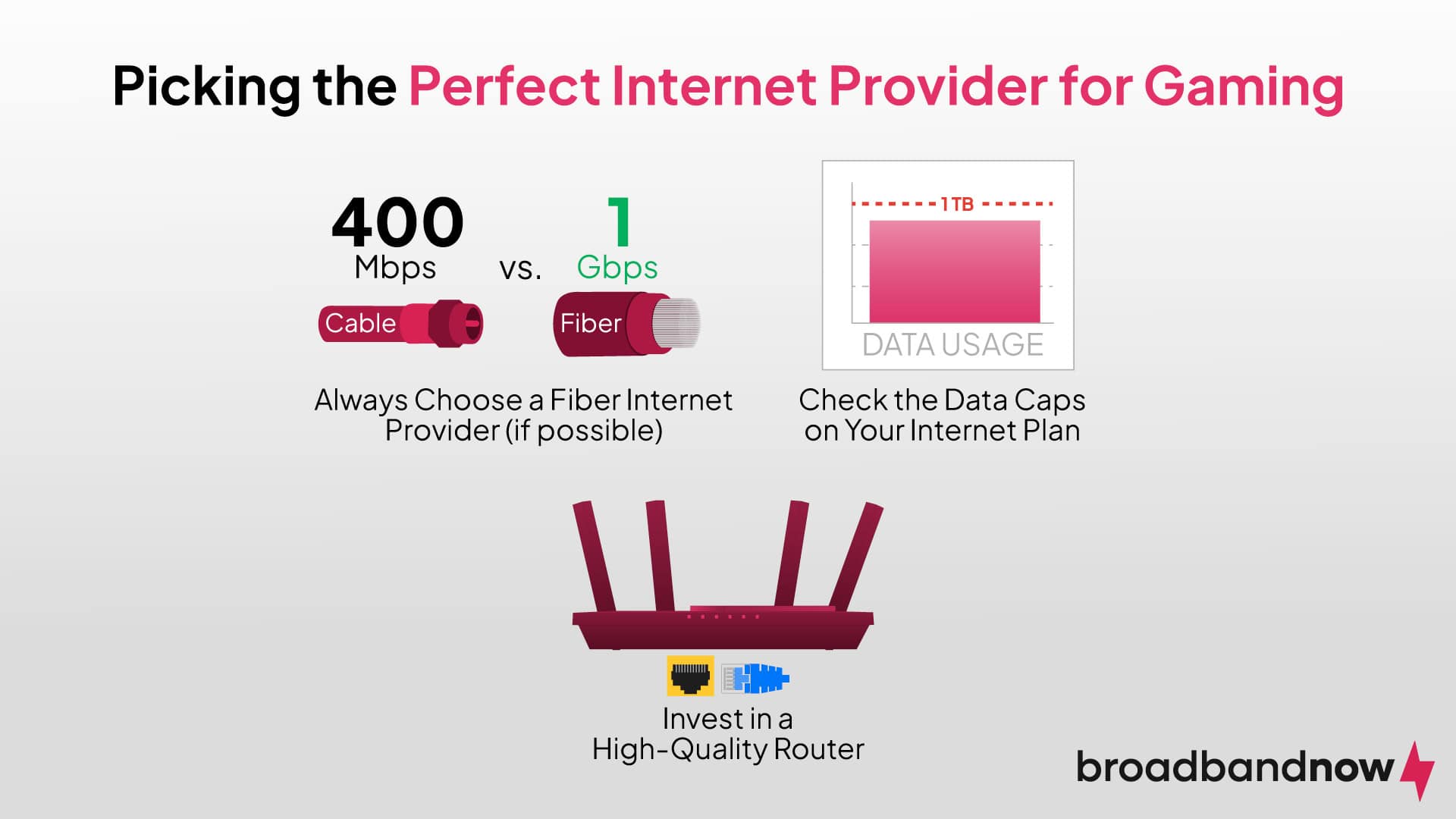
# Apartment Wi‑Fi Winners: The Ultimate Guide
Choosing a Wi‑Fi plan that delivers lightning‑fast speeds without breaking the bank can feel like a scavenger hunt. For apartment dwellers, the challenge is only magnified by shared walls, limited carrier options, and the need for a reliable connection that keeps streaming, gaming, and working from home on one hand while also staying within a budget on the other.
Below, we’ve sifted through the market to spotlight **Apartment Wi‑Fi Winners**—providers that combine speed, affordability, and excellent customer service. Whether you’re in a large city or a quieter suburb, these picks will help you stay connected for less.
—
## 1. Know What Your Apartment Needs
| Factor | Why It Matters | Typical Requirements |
|——–|—————-|———————-|
| **Number of Devices** | More devices mean more bandwidth. | 3–5 smart devices + 1–2 PCs |
| **Comfort Zone** | How far the router must travel. | 15–30 ft for a shared apartment |
| **Primary Use** | Watching 4K vs. light browsing. | Streaming (HD/4K) & remote work |
| **Budget** | Set a realistic monthly ceiling. | $30–$80 per month |
**Tip:** Roughly, a basic apartment needs 25 Mbps to 50 Mbps per person for smooth streaming. If you throw in video calls and online gaming, bump it closer to 100 Mbps.
—
## 2. Speed Matters, but Data Rules
– **Mbps (Megabits per second)** tells you how fast a connection can transfer data.
– **Data Caps** can turn a plan from a winner into a loser when you hit limits.
– **Latency** (ping) is crucial for gaming and 2‑way video chats; lower numbers mean fewer hiccups.
If you’re reading the *Federal Communications Commission’s broadband guide* (link to https://www.fcc.gov/consumer-guides/broadband), you’ll find a clear breakdown of what speeds equate to what experiences. Keep in mind that real‑world speeds often fall 10–20% short of advertised numbers.
—
## 3. The Trick of Bundling
Many providers pull a bundle of internet, TV, and phone services. These often have:
| Bundle | Estimated Savings | Note |
|——–|——————|——|
| Internet + Phone | 10–15% off each | Phone often redundant if you have mobile |
| Internet + Streaming | 5–10% off | Some streaming services are free with certain ISPs |
| Multi‑Device Login | Unlimited access for all residents | Useful for renters shared between tenants |
A modestly priced bundle can make “Apartment Wi‑Fi Winners” feel less like a stretch and more like a convenience.
—
## 4. Top Picks For Fast & Affordable Apartment Wi‑Fi
### 4.1. **Xfinity Streamline 50/50**
– **Speed:** 50 Mbps Download / 50 Mbps Upload
– **Price:** $45/month (after promotional period)
– **Data:** Unlimited, no caps
– **Extras:** Free 1‑year Verizon Fios Data usage plan
**Why It Wins:** Offers a solid price for families or roommates and has a reliable network across major cities. Plus, Xfinity frequently runs “Free Wi‑Fi” promotions in apartment complexes.
> If you’re living in the greater Detroit metro, see our *High-Speed Internet in Detroit, MI 48201* page for tailored promos.
### 4.2. **Spectrum Pure Cognitive 60/60**
– **Speed:** 60 Mbps Both Ways
– **Price:** $70/month (one‑year contract)
– **Special:** Unlimited data, no throttling
– **Coverage:** Urban indoor apartments
**Why It Wins:** For those who need a bit more download speed—think 4K streaming—Spectrum delivers without hidden fees.
### 4.3. **Cox Home Connect 75/75**
– **Speed:** 75 Mbps Download / 75 Mbps Upload
– **Price:** $54/month (after 12‑month contract)
– **Data:** Unlimited, but prioritization during peak hours
– **Extras:** 1‑year free home security camera
**Why It Wins:** Excellent for dual 4K setups or remote work with high‑quality video calls, and the security add‑on feels like a bonus.
### 4.4. **AT&T Fiber 100/100** (If available)
– **Speed:** 100 Mbps Both Ways
– **Price:** $75/month (one‑year package)
– **Data:** Unlimited, no caps
– **Reliability:** Fiber optics = higher physical reliability
**Why It Wins:** The gold‑standard for consistent speeds. Fiber availability is patchy, but for those lucky enough to live near tests, it can be the maximum “Apartment Wi‑Fi Winner”.
—
## 5. Local Champions: Where the Jersey Comes in
Many internet providers target the suburbs where rent can be cheaper, and landlords sometimes collaborate. Check out these neighborhood‑specific plays:
– **Hyde Park, MI:** *Affordable WiFi Service in Wyandotte, MI 48192*
– **North Dearborn, MI:** *High-Speed Internet in Dearborn, MI 48126*
– **Southfield, MI:** *High-Speed Internet in Southfield, MI 48265*
These intranational pages list carrier offers available **right in your building**, often paired with tenant‑friendly contract terms.
—
## 6. Budget‑Friendly Tactics
| Tactic | Description | Example |
|——–|————-|——–|
| **Compare Copiers** | Check the same provider in two neighboring buildings. | Xfinity in two 3‑story buildings might offer an even better rate than the street. |
| **Monthly Deactivation** | Turn off service during a winter break if you’re a student. | 2‑month pause = $90 saved. |
| **Local Deals** | Some city governments run broadband projects. | Detroit’s “Access for All” can reduce monthly costs. |
| **Negotiate** | After calling for a new contract, ask for “match” the caller’s plan. | Some friends have secured $20 off by emailing their better offers. |
These tricks foster value without compromising speed—perfect for the savvy renter.
—
## 7. Stats That Speak
– According to the FCC, about **41% of U.S. households** have downloaded at least 25 Mbps within the last year.
– The *Consumer Technology Association* reports that the average home internet speed in 2024 is **131 Mbps**.
– **University of Iowa** analytics: Apartment-dwellers on average use **2.6 Tb of data monthly**, out of which **36%** is streaming.
This means that any “Apartment Wi‑Fi Winner” should support more than 50 Mbps per person to avoid congestion.
—
## 8. Final Check‑list
– **Identify your use‑case**: streaming, gaming, work.
– **Confirm provider availability** in your building.
– **Set a realistic budget** – round numbers are easier.
– **Ask about data caps** – unlimited is key for long‑term value.
– **Inquire on promo periods** – many companies drop the price after 6–12 months.
With this framework, any resident can find the fastest and most affordable internet service that matches their living environment.
—
### Get Started Today!
Check your city’s dedicated services on MyNeighborhoodWiFi.com. Whether you’re on the downtown edge or a quiet suburban block, we’ve curated listings—like *Affordable WiFi Service in Wyandotte, MI 48192*—that will have you connected in no time.
—