Posts tagged: internet in georgia
Expanding Internet Infrastructure Driving Faster Connectivity Across the US
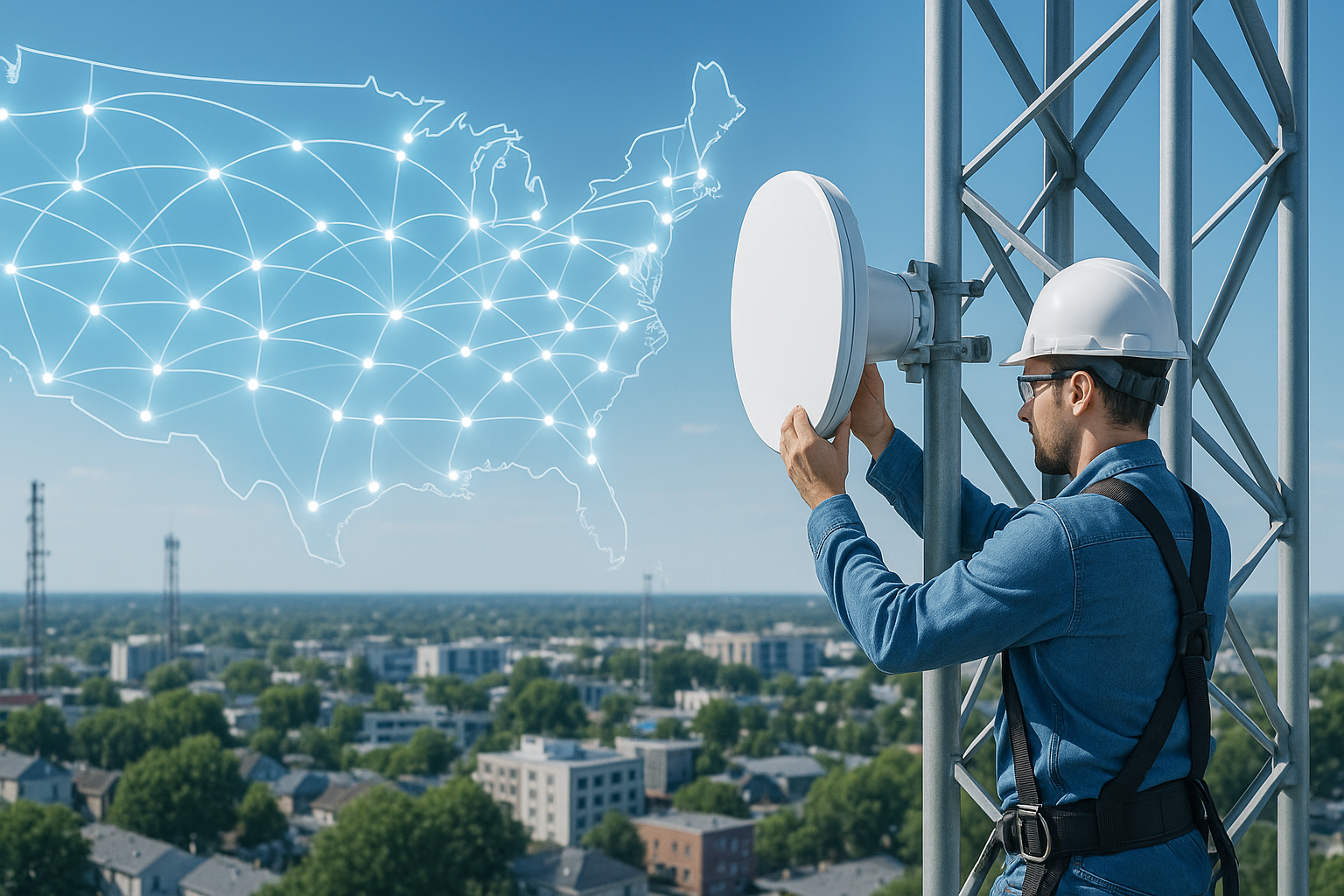
The growth of internet infrastructure across the United States is rapidly shaping how we live, work, and connect with the world. Expanding networks and new technologies are pushing faster speeds, reducing latency, and unlocking opportunities for communities that were historically underserved. From major cities to small rural towns, these infrastructure developments are changing the face of connectivity in America.
Why Internet Infrastructure Matters
Internet access is more than just streaming movies or checking emails—it’s the foundation for education, remote work, telehealth, and economic opportunity. Reliable infrastructure allows both urban and rural areas to benefit from digital growth.
- Students in rural communities gain access to remote learning resources.
- Healthcare providers can deliver telemedicine services to patients far from hospitals.
- Small businesses can compete online with better bandwidth.
- Families can enjoy high-quality entertainment and communication tools without disruptions.
Key Drivers of Infrastructure Expansion
Several factors are fueling the expansion of internet networks in the U.S., including federal investments, private sector initiatives, and technological innovation.
Federal and State Investments
Policy initiatives have bolstered internet infrastructure development across the nation. The U.S. federal government has invested heavily in expanding connectivity for rural and underserved communities. These funds help extend fiber networks, subsidize the deployment of advanced wireless, and improve broadband coverage nationwide.
Private Sector Growth
Private companies continue investing billions of dollars to build out fiber, upgrade data centers, and deploy new wireless technologies. These investments play a key role in keeping the U.S. competitive in digital infrastructure globally.
Technological Advances
Multiple technologies are converging to boost speeds and reliability:
- Fiber optics: Delivering some of the fastest and most reliable connections available.
- 5G networks: Empowering mobile devices and smart homes with low-latency connectivity.
- Edge computing: Bringing data processing closer to users, reducing delays in critical applications.
Impact on Rural America
For decades, rural communities have struggled with slow or unreliable internet. The recent focus on infrastructure expansion is bridging that gap. New fiber-optic lines, wireless solutions, and governmental subsidies are creating real change in these regions.
- Farmers now use connected devices for precision agriculture.
- Remote workers can remain in their hometowns without relocating to major cities.
- Students can participate in online learning without lagging behind urban peers.
Urban Connectivity and Smart Cities
Urban areas are also benefiting. The expansion of internet infrastructure supports the growth of “smart cities,” where connected devices manage everything from traffic systems to energy grids. Faster connectivity means more efficient services and improved quality of life for residents.
Examples of Smart City Applications
- Traffic lights that communicate with vehicles to reduce congestion.
- Smart grids that balance energy consumption based on real-time demand.
- Public Wi-Fi networks that allow free connectivity in parks and public areas.
Challenges in Infrastructure Expansion
Despite progress, there are hurdles that remain:
- Geography: Mountainous or remote regions make fiber deployment costly.
- Funding: Not all areas attract sufficient investment from providers.
- Digital divide: Even when service is available, affordability remains an obstacle.
The Role of Community Efforts
Community partnerships can accelerate infrastructure projects. Local governments, cooperatives, and nonprofits sometimes step in where the private sector has not. Grassroots efforts often push for better service or build small-scale networks to meet demand.
Community Internet Success Story
Some small towns, with support from cooperatives and residents, have successfully built high-speed networks. These grassroots projects show how community-driven infrastructure can thrive where commercial incentives are low. You can even find discussions and real experiences on platforms like Reddit, where residents share how community broadband changed their towns.
Future Technologies Driving Faster Connectivity
The story of internet growth in the U.S. is far from over. Exciting new technologies will continue reshaping infrastructure:
- Fiber to the home (FTTH): Expanding gigabit speeds.
- Wi-Fi 7: Offering ultra-fast wireless connections inside homes and businesses.
- Low-earth orbit (LEO) satellites: Reaching regions where terrestrial networks are unfeasible.
Why Faster Connectivity Matters for Everyone
Better connectivity isn’t just convenient—it’s essential for social and economic equality. Whether you’re a student taking an online course, a doctor conducting virtual appointments, or a business owner selling products online, infrastructure expansion opens doors to opportunity.
Tips for Households Preparing for Faster Internet
- Upgrade to modern Wi-Fi routers to take full advantage of new speeds.
- Use Ethernet connections for activities that require maximum stability.
- Check with your local community boards (such as Quora discussions or neighborhood Facebook groups) to explore regional infrastructure updates.
Looking Ahead
The U.S. is on a clear trajectory toward better internet connectivity for everyone. Expanding infrastructure, combined with community efforts and technological breakthroughs, continues to drive faster and more reliable connections across the country. While challenges remain, the future looks bright for rural and urban households alike.
Conclusion: A Connected Future
The expansion of internet infrastructure across the United States is more than just an upgrade—it’s a transformation of how society functions. From education and healthcare to entertainment and business, connectivity now shapes nearly every aspect of daily life. And as infrastructure continues to expand, the benefits will be felt in every corner of the country.
Reliable Internet in Farmington Hills, MI
If you live in Farmington Hills, MI, one of the top priorities for your household or business is having reliable internet. Whether you’re working from home, streaming movies, running a small business, or simply staying connected with friends and family, a strong internet connection makes everyday life smoother. That’s why exploring the best internet providers in Farmington Hills, MI is so important.
Why Reliable Internet Matters in Farmington Hills, MI
Farmington Hills, MI is a busy suburban community where residents juggle work, school, and entertainment needs at home. Reliable internet ensures:
- Seamless video conferencing for work-from-home setups
- Smoother streaming experiences without endless buffering
- Reliable connectivity for remote learning and online classes
- Faster downloads and uploads for content creators
- Stable gaming sessions with low latency
In short, internet is no longer a luxury—it’s an essential utility for day-to-day success.
Top Internet Providers in Farmington Hills, MI
When it comes to internet options, residents of Farmington Hills, MI have access to multiple major providers. Let’s look at the most reliable choices available in the area with their speeds and features.
AT&T Internet
AT&T offers both IPBB (DSL-based) and high-speed fiber options. The standout feature is their fiber coverage, which reaches most of Farmington Hills. Fiber provides extremely fast and stable performance, especially for households that need high bandwidth.
- Connection Type: IPBB and Fiber
- Max Speed: Up to 5 Gbps
- Plans Start At: $55 per month
- Coverage: Nearly 98% of the city
Spectrum
Spectrum provides widespread cable internet coverage across Farmington Hills, MI. Cable plans are ideal for families and small businesses that need reliability and fast speeds but may not yet have access to fiber.
- Connection Type: Cable
- Max Speed: Up to 1 Gbps
- Plans Start At: $49.99 per month
- Coverage: Virtually 100% coverage locally
Xfinity
Xfinity is another strong option for Farmington Hills residents. Known for its cable network, Xfinity delivers fast speeds at relatively affordable rates. It’s especially popular among gamers and streaming enthusiasts thanks to its low-latency performance.
- Connection Type: Cable
- Max Speed: Up to 2 Gbps
- Plans Start At: $30 per month
- Coverage: Extensive coverage across surrounding MI suburbs
Other Options
In addition to the major players, you may also encounter Verizon Home Internet and smaller regional providers like Iserv and TOAST.net. These may not offer full coverage but can be a great fit for specific needs such as businesses or areas underserved by larger networks.
Comparing Internet Providers in Farmington Hills, MI
Here’s a quick side-by-side comparison of popular options:
| Provider | Connection Type | Max Download Speed | Starting Price |
|---|---|---|---|
| AT&T | Fiber / IPBB | 5 Gbps | $55 |
| Spectrum | Cable | 1 Gbps | $49.99 |
| Xfinity | Cable | 2 Gbps | $30 |
| Verizon Home Internet | 5G / Fiber | Varies | Competitive rates |
Choosing the Best Internet Plan in Farmington Hills, MI
Not every household in Farmington Hills, MI needs the fastest or most expensive internet. The right choice depends on your lifestyle and requirements. Here are some quick tips:
For Work From Home
- Look for fiber plans from AT&T if available in your neighborhood
- Ensure upload speeds are sufficient for video calls and file sharing
For Families
- Cable plans from Spectrum or Xfinity are reliable for streaming, smart TVs, and multiple devices
- Unlimited data is a must to avoid bottlenecks
For Gamers
- Fiber plans provide the lowest latency possible
- Cable from Xfinity also works well due to high speeds and affordable prices
For Small Businesses
- Consider providers like AT&T Fiber or Verizon for scalability
- Look into business internet packages that include guaranteed uptime
Tips to Improve Your Home Internet in Farmington Hills, MI
Even with a top-tier provider, your internet experience can vary depending on setup and usage. Try these easy tips:
- Place your router in a central location
- Upgrade to Wi-Fi 6 routers if you have many connected devices
- Use wired Ethernet connections for gaming PCs or work devices
- Regularly restart your modem and router to refresh performance
- Consider mesh Wi-Fi systems for larger homes
Community Feedback
Residents in Farmington Hills, MI often share experiences online. Checking forums like Reddit or Quora allows you to see first-hand reviews from your neighbors about speed reliability, customer service, and value for money. Neighborhood groups on Facebook also provide real-world insight into which provider performs better in your part of the city.
Final Thoughts on Reliable Internet in Farmington Hills, MI
Farmington Hills, MI offers a solid selection of internet providers, from high-speed fiber with AT&T to wide-reaching cable networks through Spectrum and Xfinity. The best option depends on your household’s unique needs—whether that’s blazing-fast streaming, smooth gaming, or reliable remote work setups. By comparing speeds, prices, and coverage, you can ensure your internet is not just working but truly reliable.