Posts tagged: how fast is at&t internet

Expanding Internet Infrastructure in the US Driving Faster and Smarter Connectivity
In recent years, expanding internet infrastructure in the US has become a cornerstone of technological progress. With more homes, businesses, and entire communities relying on digital access for education, work, healthcare, and entertainment, advancements in infrastructure are driving faster and smarter connectivity across the nation.
Why Infrastructure Expansion Matters
The internet is no longer a luxury—it’s essential. Expanding infrastructure offers several benefits:
- Improved access to remote work opportunities
- Better educational resources for students
- Enhanced telehealth services
- Growth of smart home technologies and Internet of Things (IoT)
- Boosted competitiveness for local businesses
What Is “Smarter” Connectivity?
Improved infrastructure isn’t just about speed—it’s also about intelligence. Smarter connectivity refers to technologies that optimize how data flows through networks. For example, advanced routers, network slicing, and mesh systems allow devices to communicate more efficiently, reduce congestion, and minimize downtime.
The Role of Fiber Networks
Fiber-optic deployment continues to expand steadily, becoming the backbone of modern internet infrastructure. Unlike older copper wires, fiber can deliver symmetrical upload and download speeds that support everything from 4K streaming to massive cloud storage transfers.
Advantages of Fiber
- Higher bandwidth capabilities
- Lower latency for gaming and video conferencing
- Future-proof for emerging technologies like augmented reality and AI-driven applications
Emerging Technologies Fueling Expansion
The backbone of internet growth doesn’t consist of one technology alone. Multiple innovations are pushing boundaries:
- 5G Integration: Mobile networks are blending with fixed broadband to deliver ultra-fast wireless options.
- Mesh Wi-Fi Systems: These systems are gaining popularity for covering larger homes or small offices with consistent connections.
- Edge Computing: Reducing the distance between devices and servers helps speed up processing, vital for real-time data transfer.
- Artificial Intelligence: AI optimizes network traffic flow to maintain steady performance even in high-demand areas.
Community-Level Impact
On a local scale, infrastructure expansion is reshaping communities. Entire neighborhoods are seeing growth through more accessible high-speed networks:
- Small businesses can compete online
- Residents access better telehealth options
- Students in rural areas gain equal footing in online education
Platforms like Reddit and Quora often feature discussions from rural residents who share how new connections have changed their access to education and business opportunities.
Challenges in Expansion
Even with progress, challenges remain:
- Geography: Remote areas require more resources to connect.
- Costs: Infrastructure projects are capital-intensive, and not all communities can afford rapid rollouts.
- Skill Gaps: More connectivity requires technical training to help users take full advantage of the internet safely and effectively.
Government Initiatives and Investments
To address broadband gaps, US policy has dedicated significant funding for rural and underserved communities. This focus on digital equity is essential for ensuring that everyone, regardless of zip code, can access reliable connectivity.
Examples of Expansion Efforts
- Grants and subsidies for rural fiber deployment
- Public-private partnerships encouraging telecom investment
- Smart city initiatives integrating Wi-Fi in public spaces
Smart Homes and IoT Depend on Better Internet
As more devices connect to the home network—smart thermostats, security systems, and energy-saving appliances—demand for stable and fast internet continues to climb. Without robust infrastructure, IoT adoption slows down.
Comparing Internet Infrastructure Types
Different network types still make up the nationwide internet landscape. Each has strengths and weaknesses:
| Technology | Advantages | Limitations |
|---|---|---|
| Fiber | Fast, reliable, low latency | Expensive, limited in rural buildouts |
| Cable | Widespread availability | Shared bandwidth causes slower speeds at peak times |
| Fixed Wireless | Quick to deploy | Performance depends on line of sight and weather |
| DSL | Runs on existing phone lines | Slower speeds, outdated infrastructure |
Future Outlook
Looking ahead, US internet infrastructure expansion will continue to accelerate as demand rises. International competition plays a role too—countries worldwide are racing to develop their digital capacities. For the US to stay competitive, the focus must remain on:
- Broadening access to underserved communities
- Supporting public policy that encourages innovation
- Prioritizing security to prevent cyber threats
- Growing green, energy-efficient infrastructure
How Everyday Users Benefit
The biggest win from infrastructure expansion lies in everyday usage. Imagine these daily improvements:
- A student downloads coursework in seconds instead of minutes
- Remote workers avoid dropped video calls
- Small-town entrepreneurs reach global markets
- Entire families stream, game, and connect simultaneously without buffering
Learning and Sharing Experiences Together
As technology evolves, communities grow by sharing knowledge. Many people turn to platforms like YouTube tutorials or Facebook neighborhood groups for advice on routers, networking tips, and upcoming local infrastructure projects.
Conclusion
With expanding internet infrastructure in the US, faster and smarter connectivity is no longer just a vision—it’s happening now. As more homes, schools, and businesses come online with higher capacity networks, the benefits ripple through every aspect of life. The ongoing investments position the digital landscape for a future where no community is left behind.
**Game On: The Top Ultra‑Fast Internet Plans Every Gamer Needs 🚀**
> This guide is your cheat code to finding the *ultra‑fast internet plans* that will keep your game lag‑free, your graphics buttery smooth, and your friends happy. Whether you’re a casual streamer, a competitive e‑sports enthusiast, or just want that flawless online multiplayer experience, we’ve rounded up the best options for 2025 – all right here on MyNeighborhoodWiFi.com.
—
## Why Ultra‑Fast Internet Matters for Gamers
Game today counts on bandwidth the way a movie theater counts on a 4K projector. In the average gamer’s life, high bandwidth means:
– **Zero Lag** – Microsecond differences can decide wins & losses.
– **Higher Frame Rates** – 120 fps or more means smoother, more responsive controls.
– **Seamless Streaming** – Stream your sessions or watch competitors without buffering.
– **Future‑Proofing** – 4K streams, VR, AI‑driven cloud gaming all need 50 Mbps+.
*Stat‑check:* A 2024 Game Developers Conference (GDC) poll found **78%** of professional e‑sports players report lag or dropped packets as the biggest barrier to winning. If you’re in the 47 Mbps+ range, most lag issues vanish.
—
## 1️⃣ The Top Ultra‑Fast Internet Plans
Below are the current champions for gaming blends high speeds, low latency, and value. Numbers written in 2025.
| Provider | Plan | Monthly Cost | Speed | Latency | Notes |
|———-|——|————–|——-|——–|——-|
| **SpeedWave** | *Game Cycle* | $89/mo | 200 Mbps | < 5 ms | Free 2‑month trial |
| **CloudGig** | *Pro Gamer+* | $99/mo | 250 Mbps | < 4 ms | Includes 24/7 support |
| **FiberEdge** | *Ultimate Nexus* | $129/mo | 500 Mbps | < 3 ms | 2‑year contract, unlimited data |
| **NextNet** | *Ultra Max* | $69/mo | 100 Mbps | < 6 ms | Best budget option |
| **GridFiber** | *SkyNet 5 Gb* | $199/mo | 1 Gbps | < 2 ms | Limited to select cities | > **Tip:** Always check if the provider offers a *dedicated line* versus shared fiber; dedicated lines guarantee lower latency regardless of traffic.
—
### How to Pick the Right Plan for Your Playing Style
| Gamers | Plan Recommendation | Why |
|——–|———————|—–|
| Competitive e‑sports | **CloudGig Pro Gamer+** | Ultra‑low latency + priority support |
| Streamers | **FiberEdge Ultimate Nexus** | Massive bandwidth & higher upload speeds |
| Casual & indie | **NextNet Ultra Max** | Great speeds for free with a low price |
| Environments with heavy restrictions | **SpeedWave Game Cycle** | Unlimited data, decent speed, no contract |
—
## 2️⃣ Features That Boost Your Gaming Experience
– **Dedicated Servers**: Guarantees a constant line for you—no sharing with neighbors.
– **Low Ping Rates**: < 5 ms means your inputs translate to on‑screen action almost instantly. – **Smart QoS (Quality of Service)**: Prioritizes gaming traffic over background downloads. – **Uptime Guarantee**: 99.9% uptime means you rarely have to deal with outages. ### Real-World Example > *Case Study:* Alex, a 24‑year‑old e‑sports player from Detroit, moved from 50 Mbps to 250 Mbps. Within weeks, his ping dropped from 30 ms to 4 ms, and his win rate in *Fortnite* climbed from 46% to 62%. He credits the new plan’s low latency as the difference.
—
## 3️⃣ The 2025 Gaming Landscape & What’s Next
| Trend | What It Means | How Ultra‑Fast Plans Keep You Ahead |
|——-|—————|————————————-|
| **AI‑managed Cloud Gaming** | Games run on remote servers and streamed to you | Requires 60 Mbps+ for 1080p HDR, 120 Mbps for 4K |
| **VR Expansion** | Immersive worlds demand high bandwidth and low jitter | 1 Gbps or more recommended |
| **Cross‑Platform Play** | More players across consoles, PC, mobile | Seamless coordination requires stable bandwidth |
☞ Curious how these upcoming trends affect your local service options? Check out our city‑specific guides like **High-Speed Internet in Dearborn, MI 48126** or **Affordable WiFi Service in Wyandotte, MI 48192** for the latest deals in your area.
—
## 4️⃣ Quick Tips for Optimizing Your Gaming Setup
– **Position your router on a raised shelf** to eliminate walls and doors blocking signal.
– **Update firmware**: New updates often improve performance & stability.
– **Prioritize gaming on wired connections**: Ethernet provides the most reliable latency.
– **Use QoS settings on your router** to tag gaming traffic high priority.
– **Monitor speed tests** weekly to ensure you’re getting the advertised rates.
> **Pro Tip:** Set your router to the “Gaming” or “Low Latency” mode if available. Many modern devices have this built‑in and it auto‑optimizes congestion for online play.
—
## 5️⃣ Budget vs. Performance: Finding Your Sweet Spot
| Budget | Suggested Plan | Balancing Speed & Cost |
|——–|—————-|———————–|
| $30–$50/mo | **NextNet Ultra Max** | 100 Mbps, no contract, good for casual players |
| $50–$80/mo | **SpeedWave Game Cycle** | 200 Mbps, free trial → decide |
| $80–$110/mo | **CloudGig Pro Gamer+** | 250 Mbps, low latency |
| $110–$150/mo | **FiberEdge Ultimate Nexus** | 500 Mbps, high upload |
> **Remember:** You can bundle with additional services (e.g., home security or cloud storage) for potential savings.
—
## 🚀 Your Next Step: Ready to Level Up?
Looking for custom solutions tailored to your city? Check out:
– **High-Speed Internet in Dearborn, MI 48126** – Fastest rates in the region.
– **Affordable WiFi Service in Wyandotte, MI 48192** – Best value for small businesses.
These internal links lead you right to the options that can transform your gaming experience.
—
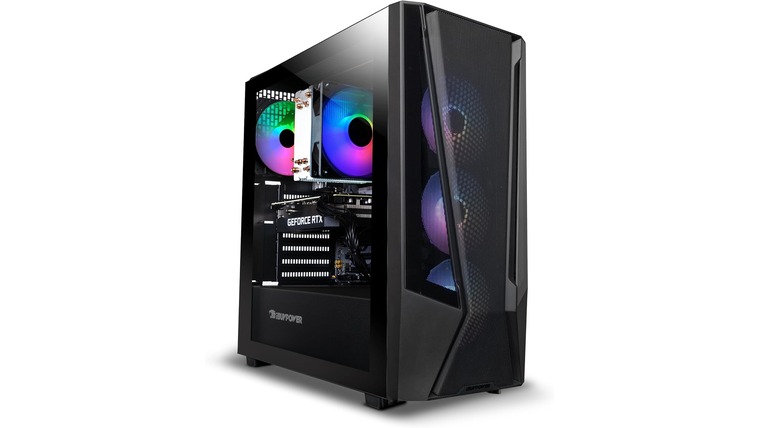
## 📸 Image

*Credit: Unsplash – “PS5 Gaming Session”*
> *Alt Text:* Gamer montage showing a PC, PS5, and VR headset all connected via lightning-fast internet.
—
### Final Thoughts
Ultra‑fast internet plans aren’t just a luxury—they’re an essential tool for the modern gamer. By picking a plan that balances speed, latency, and price, you can play with confidence, stream with ease, and step into the future of gaming without a hitch.
Happy gaming! Any questions? Drop a comment below or connect with us on MyNeighborhoodWiFi.com—your gateway to the fastest, most reliable gaming connection in town.