Posts tagged: gig internet
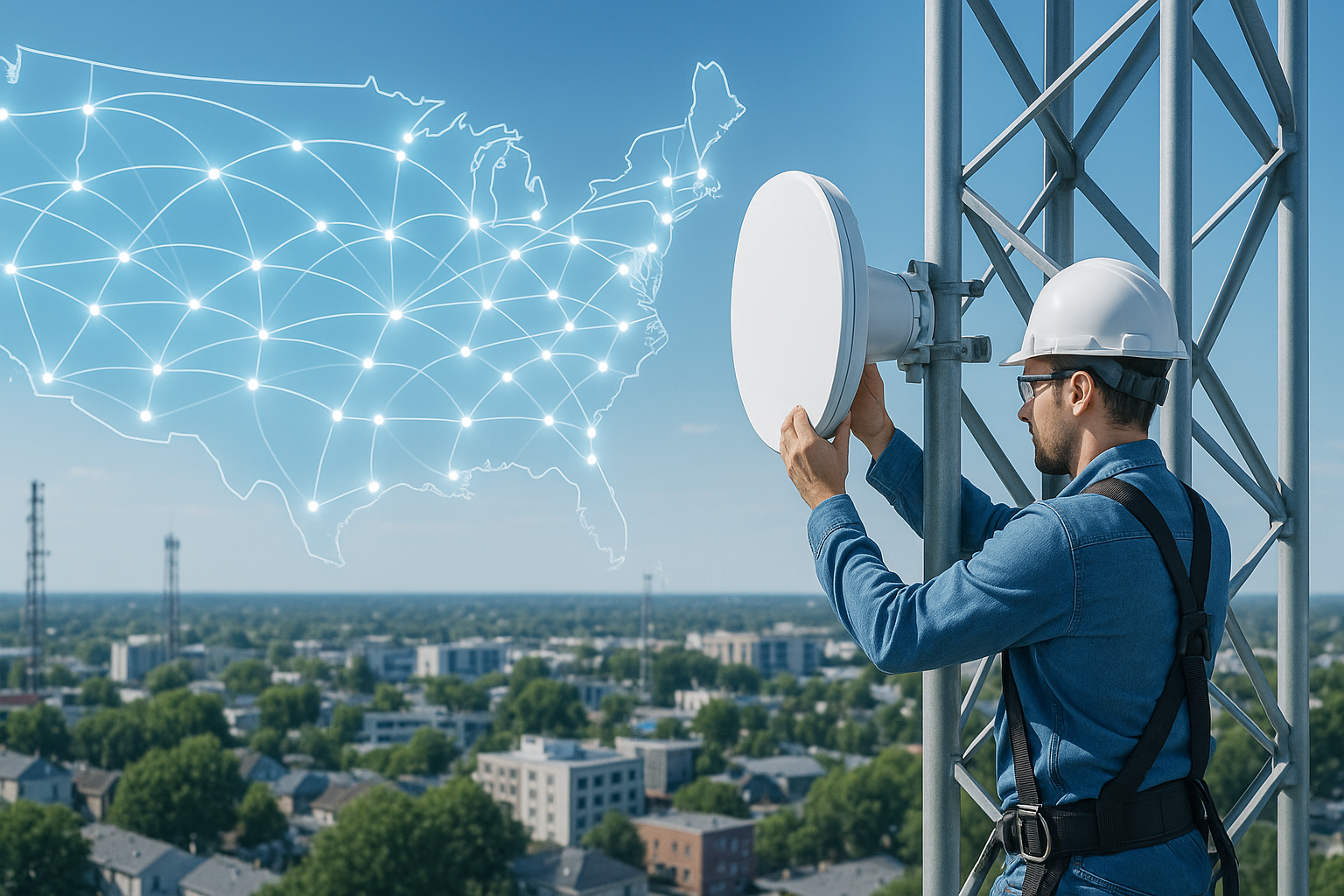
Expanding Internet Infrastructure Driving Faster Connectivity Across the US
The growth of internet infrastructure across the United States is rapidly shaping how we live, work, and connect with the world. Expanding networks and new technologies are pushing faster speeds, reducing latency, and unlocking opportunities for communities that were historically underserved. From major cities to small rural towns, these infrastructure developments are changing the face of connectivity in America.
Why Internet Infrastructure Matters
Internet access is more than just streaming movies or checking emails—it’s the foundation for education, remote work, telehealth, and economic opportunity. Reliable infrastructure allows both urban and rural areas to benefit from digital growth.
- Students in rural communities gain access to remote learning resources.
- Healthcare providers can deliver telemedicine services to patients far from hospitals.
- Small businesses can compete online with better bandwidth.
- Families can enjoy high-quality entertainment and communication tools without disruptions.
Key Drivers of Infrastructure Expansion
Several factors are fueling the expansion of internet networks in the U.S., including federal investments, private sector initiatives, and technological innovation.
Federal and State Investments
Policy initiatives have bolstered internet infrastructure development across the nation. The U.S. federal government has invested heavily in expanding connectivity for rural and underserved communities. These funds help extend fiber networks, subsidize the deployment of advanced wireless, and improve broadband coverage nationwide.
Private Sector Growth
Private companies continue investing billions of dollars to build out fiber, upgrade data centers, and deploy new wireless technologies. These investments play a key role in keeping the U.S. competitive in digital infrastructure globally.
Technological Advances
Multiple technologies are converging to boost speeds and reliability:
- Fiber optics: Delivering some of the fastest and most reliable connections available.
- 5G networks: Empowering mobile devices and smart homes with low-latency connectivity.
- Edge computing: Bringing data processing closer to users, reducing delays in critical applications.
Impact on Rural America
For decades, rural communities have struggled with slow or unreliable internet. The recent focus on infrastructure expansion is bridging that gap. New fiber-optic lines, wireless solutions, and governmental subsidies are creating real change in these regions.
- Farmers now use connected devices for precision agriculture.
- Remote workers can remain in their hometowns without relocating to major cities.
- Students can participate in online learning without lagging behind urban peers.
Urban Connectivity and Smart Cities
Urban areas are also benefiting. The expansion of internet infrastructure supports the growth of “smart cities,” where connected devices manage everything from traffic systems to energy grids. Faster connectivity means more efficient services and improved quality of life for residents.
Examples of Smart City Applications
- Traffic lights that communicate with vehicles to reduce congestion.
- Smart grids that balance energy consumption based on real-time demand.
- Public Wi-Fi networks that allow free connectivity in parks and public areas.
Challenges in Infrastructure Expansion
Despite progress, there are hurdles that remain:
- Geography: Mountainous or remote regions make fiber deployment costly.
- Funding: Not all areas attract sufficient investment from providers.
- Digital divide: Even when service is available, affordability remains an obstacle.
The Role of Community Efforts
Community partnerships can accelerate infrastructure projects. Local governments, cooperatives, and nonprofits sometimes step in where the private sector has not. Grassroots efforts often push for better service or build small-scale networks to meet demand.
Community Internet Success Story
Some small towns, with support from cooperatives and residents, have successfully built high-speed networks. These grassroots projects show how community-driven infrastructure can thrive where commercial incentives are low. You can even find discussions and real experiences on platforms like Reddit, where residents share how community broadband changed their towns.
Future Technologies Driving Faster Connectivity
The story of internet growth in the U.S. is far from over. Exciting new technologies will continue reshaping infrastructure:
- Fiber to the home (FTTH): Expanding gigabit speeds.
- Wi-Fi 7: Offering ultra-fast wireless connections inside homes and businesses.
- Low-earth orbit (LEO) satellites: Reaching regions where terrestrial networks are unfeasible.
Why Faster Connectivity Matters for Everyone
Better connectivity isn’t just convenient—it’s essential for social and economic equality. Whether you’re a student taking an online course, a doctor conducting virtual appointments, or a business owner selling products online, infrastructure expansion opens doors to opportunity.
Tips for Households Preparing for Faster Internet
- Upgrade to modern Wi-Fi routers to take full advantage of new speeds.
- Use Ethernet connections for activities that require maximum stability.
- Check with your local community boards (such as Quora discussions or neighborhood Facebook groups) to explore regional infrastructure updates.
Looking Ahead
The U.S. is on a clear trajectory toward better internet connectivity for everyone. Expanding infrastructure, combined with community efforts and technological breakthroughs, continues to drive faster and more reliable connections across the country. While challenges remain, the future looks bright for rural and urban households alike.
Conclusion: A Connected Future
The expansion of internet infrastructure across the United States is more than just an upgrade—it’s a transformation of how society functions. From education and healthcare to entertainment and business, connectivity now shapes nearly every aspect of daily life. And as infrastructure continues to expand, the benefits will be felt in every corner of the country.

Discount Internet for Families in Ypsilanti, MI
Finding reliable and affordable internet service is a priority for families in Ypsilanti, MI. With kids learning online, parents working from home, and entertainment streaming on multiple devices, the cost of internet can put stress on household budgets. Luckily, there are several discount internet options for families in Ypsilanti, MI that can help keep everyone connected without breaking the bank.
Why Affordable Internet is Essential for Families
Internet access is no longer a luxury—it’s a necessity. In homes across Ypsilanti, MI, families depend on the internet for:
- Education – Homework help, video classes, research projects, and communication with teachers.
- Work – Remote jobs and side hustles often require steady, high-speed connections.
- Healthcare – Telehealth appointments save time and resources.
- Entertainment – Family movie nights, gaming, and streaming music.
For families living on tight budgets, finding discount internet providers can bridge the digital divide and ensure that no one in the household falls behind.
Top Discount Internet Providers in Ypsilanti, MI
Fortunately, families in Ypsilanti, MI have several options for internet at lower prices without sacrificing performance. Here are the best providers available in the city:
AT&T Fiber and Internet
AT&T offers fiber, IPBB, and 5G options throughout Ypsilanti, MI. Their fiber internet reaches download speeds up to 5 Gbps, which is excellent for households with many connected devices. AT&T has over 93% coverage in Ypsilanti, MI, making it accessible for most families. They also participate in federal savings programs, lowering the monthly cost for qualifying families.
Xfinity Internet
Xfinity leads with roughly 98% coverage in Ypsilanti, MI. Their cable internet is widely available and flexible across a range of price points. Families can choose from budget-friendly starter plans for basic browsing or higher tier plans for heavy streaming and gaming. Xfinity also supports federal discount programs that reduce costs for qualifying families.
Viasat Satellite Internet
For families in rural parts of Ypsilanti, MI who may not have access to fiber or cable, Viasat provides a strong alternative. Satellite internet reaches nearly every household, and while speeds are lower than fiber, the service ensures no family is left disconnected. Their family discount programs can help make monthly bills more manageable.
TOAST.net
TOAST.net is another option for families in Ypsilanti, MI. They emphasize unlimited data use, which is particularly beneficial for families with kids who spend time online for entertainment and education. Unlimited data means no surprise overage charges, which often impact budget-conscious families.
Other Providers
- Iserv – Business-focused but with plans adaptable to families.
- Satellite-based services – For rural homes with limited access.
Government and Community Discounts for Ypsilanti, MI Families
Several government programs and community initiatives ensure families in Ypsilanti, MI have access to affordable internet.
Affordable Connectivity Program (ACP)
The federal Affordable Connectivity Program, formerly known as the Emergency Broadband Benefit, gives qualifying households up to $30 off monthly internet bills. Eligible families in Ypsilanti, MI include those receiving SNAP, Medicaid, school meal programs, or Pell Grants.
Low-Income Family Internet Programs
Some providers offer their own in-house discount programs, such as:
- Xfinity Internet Essentials – Aimed at low-income households, with plans designed for affordability and reliability.
- AT&T Access – Discounted rates for qualified families, ensuring high-speed connectivity at low cost.
Tips for Choosing the Best Discount Internet Option
Selecting an internet plan can feel overwhelming, but families in Ypsilanti, MI can simplify the process with a few key steps:
- Check coverage in your neighborhood – Providers vary by exact service area.
- Evaluate household needs – Consider how many devices are online at once, and what activities (streaming, gaming, schoolwork) consume the most bandwidth.
- Ask about discounts – Always inquire about federal, state, or provider-specific discounts and programs.
- Look for contract-free options – Some plans allow month-to-month flexibility, reducing the risk of being locked into high costs if circumstances change.
Cost Comparison for Families in Ypsilanti, MI
Here’s a simplified view of typical discount internet options in the city:
| Provider | Starting Price | Speed Range | Special Notes |
|---|---|---|---|
| AT&T Fiber/IPBB | $55/month | Up to 5 Gbps | Large coverage across Ypsilanti, MI |
| Xfinity Cable | Varies | Up to 2 Gbps | High coverage, family discount programs |
| Viasat Satellite | Varies | Up to 100 Mbps | Ideal for rural areas |
| TOAST.net | Varies | Moderate Speeds | Unlimited data, budget friendly |
How Families Can Stretch Internet Savings Further
Affordable internet isn’t just about provider selection—it’s also about managing usage. Here are some simple strategies:
- Use parental controls to manage streaming time.
- Downgrade to a lower-speed plan if your family primarily uses the internet for browsing and homework instead of heavy gaming.
- Bundle services carefully—only if savings are guaranteed.
- Leverage free public Wi-Fi in libraries and community centers when needed.
Community Voices: How Ypsilanti, MI Families Benefit
On platforms like Reddit and Quora, many families share how they save money and stay connected with discounted internet programs. Parents in Ypsilanti, MI often highlight the role of student-focused plans that give kids seamless access to digital learning platforms. Similarly, local discussions on Facebook bring out community support, with neighbors sharing referrals for low-cost connections and troubleshooting tips.
Final Thoughts on Discount Internet in Ypsilanti, MI
Discount internet for families in Ypsilanti, MI isn’t just about cutting costs—it’s about creating opportunity. Whether it’s a child learning online, a parent accessing remote work, or a family streaming a movie together, staying connected helps households thrive. By combining federal programs, community resources, and reliable providers, families in Ypsilanti, MI can find internet solutions that fit their budget and needs.

Best Internet Providers for Smart Homes in 2025 🚀🏡
Choosing the best internet providers for smart homes in 2025 is more important than ever. With dozens of connected devices constantly communicating—from your video doorbell to your smart thermostat—the need for reliable, secure, and ultra-fast internet has never been greater. If your smart home runs on laggy Wi-Fi, you’ll quickly notice the frustration: buffering security cameras, unresponsive smart lights, and delayed voice assistant commands. A strong internet provider tailored to smart home usage is the foundation of a smoother, smarter lifestyle.
Why Smart Homes Need Strong Internet
A modern smart home isn’t just one or two Wi-Fi-enabled gadgets—it could be dozens, sometimes even hundreds of devices. Each device silently eats into your available bandwidth, and without the right connection, performance drops fast. Here’s why a powerful internet service is crucial for smart homes:
- Continuous Connectivity: Smart locks, alarms, and sensors require real-time communication, especially during emergencies.
- Bandwidth Demand: Security cameras and streaming devices can consume significant data simultaneously.
- Low Latency: Voice assistants and automation systems rely on instant responses—delays ruin the experience.
- Scalability: As your home automation grows, your internet must handle increases without crashing.
What to Look for in an Internet Provider for Smart Homes
Not every internet plan fits every smart household. A family with dozens of connected devices has drastically different needs compared to a single-apartment setup. Key features to consider include:
- Speed Tiers: Look for high download and upload speeds to handle everything from smart cameras to cloud backups.
- Uncapped Data: Smart homes generate constant traffic; data caps quickly become a headache.
- Low Latency: Vital for smart speakers, VR, and gaming consoles integrated into your ecosystem.
- Reliable Uptime: Downtime ruins a smart security system—it’s not just an inconvenience; it’s a risk.
- Strong Customer Support: When things go wrong, you’ll need quick solutions instead of hours on hold.
Top Features Smart Homes Thrive On
1. Gigabit (or Multi-Gig) Speeds
By 2025, gigabit internet has become a common need rather than a luxury. With cloud-based AI assistants and 4K/8K streaming in multiple rooms, multi-gig plans are increasingly relevant.
2. Reliable Upload Speeds
If you use security cameras that constantly upload video to the cloud, symmetrical speeds (same upload and download) will make your system far smoother. Laggy uploads can delay security alerts and video feeds.
3. Wi-Fi 6 and Beyond
The Wi-Fi technology supported by your provider’s modem or router matters. Wi-Fi 6 (and newer, Wi-Fi 7 rolling out in 2025) ensures stronger coverage, faster connections, and better support for multiple devices running at once.
4. Smart Home Ecosystem Compatibility
Different providers may bundle smart home hubs, security devices, or even energy monitoring tools. If these pair well with your Amazon Alexa, Google Home, or Apple HomeKit system, you can streamline management from one dashboard.
Best Internet Setup Tips for Smart Homes
Smart home optimization isn’t just about picking a provider—it’s about managing your devices and Wi-Fi setup properly. Here are pro-level tips to maximize your smart home performance:
- Invest in a quality Wi-Fi router or mesh system—coverage across every square foot matters.
- Use Ethernet for bandwidth-heavy devices like gaming consoles or streaming hubs.
- Partition your devices with different Wi-Fi networks (e.g., IoT devices vs. personal devices) for added security.
- Consider Reddit’s Smart Home community for troubleshooting, upgrades, and setup ideas.
Smart Homes of the Future: How Internet Powers Them
Looking ahead, smart living is moving beyond simple devices. AI-integrated assistants will anticipate your needs, smart kitchens will automate entire meals, and everything from your fridge to your EV charger will be network-dependent. Without robust internet, these futuristic conveniences won’t function seamlessly. In short, your internet provider is the real hidden partner behind your smart lifestyle.
Comparison of Smart Home Internet Factors
| Factor | Why It Matters |
|---|---|
| Speed | Handles multiple 4K streams, smart cameras, and automation simultaneously |
| Latency | Instant responses for voice assistants, sensors, and security systems |
| Scalability | Supports growth from a handful of devices to hundreds |
| Data Limits | Eliminates worries about overage with dozens of active gadgets |
| Wi-Fi Coverage | Ensures smooth access across large or multiple-story homes |
Real-World Experiences from Smart Home Owners
Communities like Quora discussions on smart homes often highlight just how variable internet experiences can be. Some users report flawless, zero-lag experiences once they upgraded to mesh systems, while others admit that even a fast plan can falter without a proper router or placement. These user-shared stories emphasize the combination of provider choice and in-home setup.
Managing the Complexity of Modern Smart Homes
By 2025, the average smart household is packed with connected lighting, appliances, entertainment systems, cameras, health monitors, and AI-driven gadgets. That creates a web of constant communication. The bigger your system, the more critical it is to plan for both reliability and redundancy. Backup internet options, smart UPS systems for modems, and even secondary LTE failover hotspots are part of advanced smart home strategies.
Final Thoughts: Building Your Ideal Smart Home Connection
The perfect internet provider for smart homes isn’t defined by flashy marketing—it’s measured by stability, scalability, and seamless compatibility with your devices. Prioritize low latency, high speeds, and dependable service to ensure your home runs like the futuristic, connected hub it was designed to be. The difference between a glitchy smart setup and a truly futuristic home often comes down to one choice: your internet provider.

Best Internet for Students in Ann Arbor, MI
Finding the best internet for students in Ann Arbor, MI is one of the biggest challenges for anyone living in a college town. With thousands of students, professionals, and families all connected, reliable internet is more than just a luxury—it’s essential. Whether you’re studying for finals, hosting a video call, or streaming with friends, you need a plan that balances speed, affordability, and reliability.
Why Students Need Great Internet in Ann Arbor, MI
Ann Arbor, MI is home to tens of thousands of students who rely on strong connections to stay on top of lectures, research, and projects. The right plan makes it possible to:
- Attend virtual classes and submit assignments on time
- Collaborate easily on group projects using video calls
- Stream lectures and educational videos smoothly
- Game or relax with entertainment after long study sessions
Top Internet Providers in Ann Arbor, MI
Students have access to several options in Ann Arbor, MI depending on what part of town they live in. Some providers are almost everywhere, while others only cover certain spots. Here’s a closer look at the most common and student-friendly choices:
Xfinity (Cable Internet)
- Availability: Over 90% of Ann Arbor, MI
- Starting speeds: 75 Mbps and up
- Great for: Students who want affordable intro deals
- Considerations: Prices usually increase after the first year
AT&T (Fiber + DSL Internet)
- Availability: Widespread DSL, limited fiber
- Starting speeds: 50 Mbps (DSL), up to 1 Gbps (fiber in select areas)
- Great for: Fast, stable uploads and downloads for coursework
- Considerations: Fiber is only available to a small portion of students
Verizon 5G Home Internet (Wireless)
- Availability: Growing coverage across the city
- Typical speeds: Up to 300 Mbps
- Great for: Renters and students who don’t want installation fees
- Considerations: Performance may vary depending on 5G coverage
Comparing Student Internet Options
It’s tough to know which option is best for your dorm, apartment, or shared housing setup. Here’s a simplified way to compare:
| Provider | Type | Starting Speed | Best For |
|---|---|---|---|
| Xfinity | Cable | 75 Mbps | Low-cost starter plans, reliable city-wide coverage |
| AT&T DSL/Fiber | DSL / Fiber | 50 Mbps DSL / Up to 1 Gbps Fiber | Streamlined work, heavy uploads/downloads |
| Verizon 5G Home | Wireless | Up to 300 Mbps | Flexible, no wiring, renters and short-term residents |
Tips to Save Money on Student Internet
Most students don’t want to spend a fortune on internet. Thankfully, there are ways to cut costs:
- Split costs with roommates: Set up one strong connection in your house or apartment and share the bill.
- Watch for student discounts: Some providers occasionally run promotions for students. Checking local provider offices or community boards may reveal hidden deals.
- Use your school’s internet: Many libraries, labs, and common areas around campus in Ann Arbor, MI offer high-speed internet, which can reduce your need for premium home plans.
- Start with lower speeds: If you’re mostly browsing, emailing, and streaming 1080p videos, you may not need the most expensive speeds.
Internet Setup Tips for Students
Even the best provider can fall flat if your setup isn’t right. Here are practical ways to maximize your connection:
- Router placement: Place your router in the center of your living space for the widest coverage.
- Wi-Fi extenders: If you live in a larger apartment, consider adding extenders to strengthen your wireless signal.
- Reduce interference: Keep routers away from microwaves, heavy furniture, or walls that block signals.
- Hardwire when possible: Ethernet cables may not be glamorous, but they deliver the most stable speeds.
Student-Friendly Areas in Ann Arbor, MI for Internet Access
Each neighborhood has unique connectivity advantages. In Ann Arbor, MI, some areas have excellent coverage:
- Near Campus/Downtown: Most areas have Xfinity cable and AT&T DSL available, though fiber is limited.
- North Campus: Students in apartments often find strong 5G signals, making wireless internet appealing.
- South Ann Arbor: Large suburban-style housing often relies on Xfinity’s cable coverage.
When Internet Isn’t Enough
Sometimes the weakest link isn’t speed—it’s how much time you spend online. Students should balance fast connections with responsible usage:
- Take breaks to avoid online fatigue
- Use productivity apps to block distractions while studying
- Schedule downloads or updates at night when fewer people in your home are online
Final Thoughts on Internet for Students in Ann Arbor, MI
For most students, the best internet for Ann Arbor, MI comes down to a simple choice: if you need the most affordable connection, choose Xfinity. If you want the fastest uploads and downloads, go for AT&T fiber (if it’s available at your address). And if you want flexibility with no installation, Verizon 5G Home Internet is worth considering. By weighing speed, price, and convenience, students can stay connected without stretching their budgets too thin.
Whether you’re living on campus, sharing a house, or renting your own place, stable internet will make a world of difference in your academic life and your downtime. Choose wisely, set up your space carefully, and enjoy being connected in Ann Arbor, MI.
Top Rural Internet Grants and Programs to Boost Connectivity
If you’ve ever lived outside of a major city, you’ve probably felt the digital divide.
Rural communities often struggle with reliable online access, but thanks to rural internet grants and programs, there is growing hope for better connectivity.
These initiatives are designed to fund infrastructure, support providers, and empower organizations to expand broadband access to underserved areas.
Why Rural Internet Access Matters
Having a strong internet connection is no longer optional—it’s essential. From remote work to education,
farming technology to healthcare access, rural communities depend on reliable broadband to thrive.
- Education: Students without broadband are at a major disadvantage in online learning.
- Agriculture: Farmers use smart tools, sensors, and satellite data to manage crops more efficiently.
- Healthcare: Telehealth requires stable internet connections to provide services to remote patients.
- Economic Growth: Businesses rely on fast speeds to operate competitively in a digital economy.
Key Federal Programs Supporting Rural Broadband
1. USDA ReConnect Program
The U.S. Department of Agriculture’s ReConnect Program offers loans, grants, and loan-grant combinations to fund efforts for broadband deployment in rural areas.
It focuses on areas lacking sufficient speeds and ensures that small towns, cooperatives, and local governments can compete fairly for funding.
Learn more directly from the program background on Wikipedia.
2. FCC’s Rural Digital Opportunity Fund (RDOF)
The Federal Communications Commission created the RDOF to distribute billions of dollars in subsidies to bring high-speed internet to rural regions.
Funds are allocated through a competitive bidding process, which allows providers to pledge service expansion to specified areas.
3. Community Connect Grant Program
This program provides funding to organizations that propose to build networks in areas where broadband isn’t currently available.
Recipients must also establish a community center with free internet access to help residents get connected quickly.
4. Tribal Broadband Connectivity Program
Dedicated to Native American communities, this initiative ensures tribes and native villages can receive federal support for broadband deployment.
It covers infrastructure, affordability, and even workforce development.
State-Level Rural Broadband Funding
Many states have launched their own funding programs alongside federal efforts.
For example, some provide grants for local ISPs, while others run cost-sharing partnerships to reduce the burden of large infrastructure commitments.
If you want to learn how a state-by-state breakdown of broadband initiatives looks, discussions on platforms like
Reddit’s rural internet community feature real stories from people applying for state-funded projects.
Non-Profit and Community-Led Efforts
Besides government-backed funding, grassroots campaigns and community cooperatives are critical in bridging connectivity gaps.
These include electric cooperatives using existing infrastructure for internet fiber, and local nonprofits raising awareness about grants that small towns can apply for.
Examples of Community Impact
- Library-based WiFi loan programs that lend mobile hotspots to rural families.
- Nonprofit initiatives working to deploy mesh networks in areas where broadband companies don’t invest.
- Farm organizations pooling funds to co-apply for USDA programs.
How Rural Internet Grants Are Applied
Applying for these funding opportunities can be complex, but many communities succeed by teaming up with local governments or telecom cooperatives.
Here are the basic steps most applications follow:
- Eligibility Check: Confirm the area meets requirements for being underserved or unserved.
- Partnerships: Often applications are stronger when cooperatives or municipalities partner with private ISPs.
- Planning Infrastructure: Applications usually require engineering studies or broadband maps.
- Community Benefit: Applicants must show how funding will improve access for residents, businesses, schools, or healthcare providers.
Table: Sample Broadband Programs
| Program | Organization | Primary Focus |
|---|---|---|
| ReConnect | USDA | Loans and grants for rural broadband |
| RDOF | FCC | Funding for providers through auctions |
| Community Connect | USDA | Networks in underserved communities |
| Tribal Broadband | NTIA | Connectivity for tribes and native villages |
Challenges in Expanding Rural Connectivity
Despite the funding available, many challenges remain:
- High Costs: Laying fiber optic cable over remote, rugged terrain is expensive.
- Low Population Density: Some regions don’t attract private investment as returns are slower.
- Technical Barriers: Weather, mountains, and forests often complicate internet deployment.
- Digital Literacy: Even when internet arrives, not everyone knows how to benefit fully.
Future of Rural Internet Development
With initiatives continuing to grow, the future of rural connectivity is more promising every year.
Emerging technologies such as fixed wireless, next-gen satellites, and community-driven fiber builds
will complement these grants to ensure broader coverage.
Discussions and personal experiences shared in places like Quora threads about rural internet access
show that communities benefit most when technology and funding programs work together.
Tips for Communities Seeking Broadband Grants
- Work with local universities or extension programs for technical guidance.
- Document community needs clearly through surveys and usage data.
- Engage local residents early so they understand the benefits of expansion projects.
- Collaborate with cooperatives, especially electric co-ops, which already have rural infrastructure in place.
- Join online communities like Facebook groups dedicated to rural broadband for advice and partnerships.
Conclusion
Rural internet grants and programs remain one of the most powerful tools for connecting underserved communities.
As federal initiatives continue to combine with state, non-profit, and grassroots support, the digital divide will keep shrinking.
Local leadership and community collaboration will be essential in accessing these funds and making sure every household, farm, and business
in rural America can log on with confidence.
Discount Internet with EBT in Inkster, MI
If you live in Inkster, MI and use an EBT card as part of your household benefits, you may qualify for discount internet with EBT. Affordable, reliable internet has become essential for work, school, and staying connected with family. Thankfully, there are programs designed to help lower-income households and families save money on monthly internet service while still getting decent speeds and service features.
Why Finding Discount Internet in Inkster, MI Matters
Inkster, MI is home to more than 26,000 residents. Like many communities in Wayne County, access to high-speed internet plays a major role in education for kids, remote work opportunities for adults, telemedicine, and even keeping in touch with loved ones. Unfortunately, cost is one of the biggest barriers to getting connected. That’s where discounts for households with EBT, also known as SNAP, come in.
Internet providers in Inkster, MI now offer special programs for households that participate in SNAP or other qualifying benefits. If you already use an EBT card, you may be eligible.
Top Discount Internet Programs Available
Xfinity Internet Essentials
Xfinity offers one of the most popular low-cost options in Inkster, MI. Through the Internet Essentials program, qualifying residents who use EBT can access discounted high-speed internet for about $10 per month. Some plans allow for upgraded speeds at a slightly higher cost. The plan usually includes:
- Speeds up to 50 Mbps (sufficient for streaming, remote learning, and video calls)
- No credit check requirement
- No long-term contracts
- Low-cost WiFi equipment rental option
AT&T Access
AT&T offers a similar program called Access from AT&T, available to households with SNAP/EBT participation in Inkster, MI. Eligible residents can expect:
- Plans starting at around $10 per month
- Speeds up to 100 Mbps, depending on location
- Free WiFi modem and installation in many cases
Spectrum Internet Assist
For Inkster, MI residents who live in areas with Spectrum coverage, Spectrum Internet Assist provides:
- Discounted internet starting near $15 per month
- Speeds up to 50–100 Mbps
- Optional unlimited WiFi for a few dollars more
Other Programs That May Help
If you have an EBT card, you may also qualify for the federal Lifeline program. Lifeline provides a discount of up to $9.25 per month on either internet or phone services. Households can apply the discount toward a cell phone plan, home internet, or bundle options depending on their provider’s choices.
Lifeline Highlights:
- Available nationwide, including Inkster, MI
- Discount works on either internet or phone
- Annual recertification required
How to Apply for Discount Internet with EBT
Signing up for these programs in Inkster, MI is fairly simple. The process usually follows a few main steps:
- Confirm Eligibility: Check if you are enrolled in EBT (SNAP). Other qualifying programs may include Medicaid, SSI, or reduced lunch programs for children in school.
- Contact Your Preferred Provider: Visit websites of providers like Xfinity, AT&T, or Spectrum, and search their discounted programs. You can also call their customer service for application help.
- Provide Documentation: Be ready to upload or send proof of enrollment in EBT. Examples include your SNAP approval letter, EBT card, or state-issued documentation.
- Choose Your Plan: After approval, pick the discounted internet plan that fits your needs best.
Free WiFi Options in Inkster, MI
In addition to home internet, residents can find places in Inkster, MI with free WiFi access. While not ideal as a permanent solution, they can be helpful for temporary access:
- Public libraries in Wayne County offer free WiFi inside and outside buildings.
- Some cafes and local restaurants allow customers to connect without fees.
- Community centers and parks often partner to provide public WiFi access.
Tips for Choosing the Best Discount Internet Plan
When selecting your discounted internet plan through EBT, here are some helpful tips:
- Check Coverage: Certain providers may not cover every part of Inkster, MI. Input your address on provider websites for accurate availability.
- Compare Speeds: If you need internet for remote work, video meetings, or gaming, aim for speeds of at least 50 Mbps.
- Watch for Added Fees: Some “cheap” plans can add up with installation or equipment fees. Look for ones that include free setup or low rental costs.
- Take Advantage of Bundles: If you already use a discounted mobile service, check if you can get extra savings by combining home and phone internet discounts.
Discount Internet and Digital Literacy
Getting online is only part of the solution. Programs in Wayne County also focus on digital literacy. Households in Inkster, MI may find classes at the library or local community centers that teach basic internet use, safety, and device setup. These resources help ensure that cheaper internet service is not only affordable but also accessible for all ages.
Example: Monthly Cost Comparison
Here’s a simple chart showing how much households in Inkster, MI could save with discount internet programs compared to regular plans:
| Plan | Regular Cost | Discount Cost (with EBT) |
|---|---|---|
| Xfinity Internet Essentials | $60–$80 | $10 |
| AT&T Internet (Access) | $55–$70 | $10 |
| Spectrum Internet Assist | $70–$85 | $15 |
Frequently Asked Questions
Do I need a credit check to sign up?
Most discount internet programs in Inkster, MI do not require credit checks. This makes it easier for households who may not have built credit histories.
Can I use the discount if I already have internet?
If you’re already a paying customer, you may need to cancel and reapply under the discounted program. This depends on the provider, so always ask before making changes.
What if I don’t qualify with EBT?
If you don’t qualify with EBT but meet other low-income qualifications, you may still be able to get Lifeline or local community-based internet assistance programs.
Final Thoughts
Living in Inkster, MI with an EBT card means you don’t have to miss out on affordable high-speed internet. With providers like Xfinity, AT&T, and Spectrum offering plans as low as $10 per month, every household can stay connected for school, work, and family life. The process to apply is simple, and approval often takes less than two weeks. With the right program, you can bring reliable WiFi into your home and take advantage of the opportunities that come with being online.

Top Internet Providers Offering Flexible Student Friendly Plans
Finding reliable WiFi at a reasonable price can feel like a full-time job for college students. Between textbooks, tuition, and living expenses, stretching every dollar matters. That’s why many people search for student friendly internet plans that balance affordability, performance, and flexibility. In this post, we’ll explore top options worth considering, along with tips to save even more money on your neighborhood WiFi setup.
Why Students Need Flexible Internet Plans
Students today rely on the internet for everything from streaming lectures to running group projects through video calls. The right plan should fit into a college lifestyle, offering flexibility and value without locking you into something too restrictive.
Key features that matter for students:
- Affordable pricing: Budget is usually the biggest concern.
- No long contracts: Temporary housing and off-campus leases mean flexibility rules.
- Fair speeds: Enough bandwidth for Zoom classes, research, and binge-worthy study breaks.
- Streaming support: Education aside, entertainment keeps student life balanced.
Many students also rely on public WiFi hotspots near coffee shops and libraries. While free is great, it rarely replaces having a dependable network at home.
Top Internet Providers with Student-Friendly Plans
Let’s dive into providers and options that stand out for student households, keeping affordability and flexibility at the forefront.
1. Neighborhood and Local ISPs
In many college towns, small regional ISPs and community broadband programs design plans specifically for students. These providers often partner with universities to roll out short-term options that line up with semester schedules.
- Semester or month-to-month billing instead of annual contracts.
- Discounts available through student housing offices.
- Campus partnerships that sometimes include basic WiFi as part of tuition or housing fees.
Checking in with local community boards, or even browsing related discussions on Reddit, can help students discover deals that aren’t heavily advertised.
2. Prepaid and Pay-As-You-Go Internet
Another student-friendly option is prepaid internet service. These plans let you pay upfront for a fixed amount of service with no credit checks or long-term commitments. Once a billing cycle ends, you can decide to renew or pause, which is handy if you’re away during breaks.
- No contracts, no late fees, and predictable costs.
- Flexibility to scale up or down depending on your semester’s workload.
- Often works seamlessly with mobile hotspots.
3. Campus WiFi Extensions
Some universities extend their campus WiFi networks to student housing areas nearby. These are often included in student fees, reducing the need to shop for outside providers. While range and reliability vary, it’s worth checking with the school IT office before signing for external service.
Factors to Compare When Choosing a Plan
Not all student internet options are created equal. Here’s what to evaluate before signing up:
| Factor | Why It Matters |
|---|---|
| Cost | Fits student budgets without surprise fees. |
| Contract Length | Short-term flexibility aligns with leases and semesters. |
| Speed | Enough bandwidth for streaming classes, downloads, and entertainment. |
| Equipment | Free/discounted routers or modems save upfront expenses. |
| Customer Support | Accessible help is crucial when deadlines depend on WiFi reliability. |
Saving Extra on Student Internet
Apart from student-focused plans, here are ways to make internet expenses lighter:
1. Student Discounts
Always ask if discounts apply. Some providers quietly offer student or educational discounts if you verify with a school email address.
2. Equipment Sharing
Roommates can split the bill. Instead of individual plans, pooling resources into one solid plan ensures everyone saves.
3. Free and Public WiFi
Libraries, coffee shops, and even some city initiatives provide free WiFi hotspots. For example, municipal wireless networks are appearing in more cities, offering free internet access across public spaces.
4. Router Optimization
Even the best plan disappoints if WiFi reach is poor. Proper placement of routers—avoiding thick walls, microwaves, or closed cabinets—can maximize speeds. Communities often share setup tips on Quora or tech-focused Facebook groups.
Stories from Students Who Saved
Browsing forums like Reddit’s College subreddit or Quora shows countless student stories of finding affordable WiFi. Many mention temporary prepaid solutions during internships or summer semesters. Others emphasize how pooling with roommates not only cut bills but improved connectivity quality in the household.
Final Thoughts on Student-Friendly Internet Plans
Flexible, affordable internet is no longer just a convenience for students—it’s a survival tool. Whether it’s a prepaid option, a semester-linked local plan, or maximizing free campus resources, students can find solutions to stay online without breaking the bank. Always compare local offers, ask about student discounts, and tap into peer communities on Facebook or Reddit to uncover hidden deals.
In the end, the best choice depends on where you live, how often you’re online, and the flexibility you need during the ebb and flow of college semesters. By knowing what to look for, you can set up a reliable WiFi connection that keeps you learning, streaming, and connected on your terms.
Affordable Wi-Fi in Highland Park, MI
Finding affordable Wi-Fi in Highland Park, MI is one of the hottest topics for families, students, and small business owners trying to stay connected. Reliable internet isn’t a luxury anymore—it’s a necessity. From streaming videos, attending online classes, working from home, or managing small retail shops, the right plan can make a huge difference in both cost and performance. In Highland Park, MI, you actually have several options depending on whether you want the fastest speeds, the cheapest plan, or the best balance in between. Let’s dig into everything you need to know to make a smart choice.
Why Affordable Wi-Fi in Highland Park, MI Matters
For many households, internet service eats up a big portion of monthly budgets. Affordable Wi-Fi is about more than cutting costs—it’s about ensuring families and individuals have equal access to opportunities. Whether you’re a student submitting homework online, a grandparent connecting with family on Facebook, or a job seeker applying for work through portals shared on Reddit, an affordable and reliable internet plan helps level the playing field.
What Types of Internet Are Available in Highland Park, MI?
Before narrowing down providers, it helps to know the major types of service available in the area. Highland Park, MI is well-connected compared to many towns, meaning residents can choose from a mix of connection types.
- Cable Internet: Known for offering stable, high-speed connections that can handle heavy streaming and gaming.
- Fiber Internet: Extremely fast where available, great for households with multiple users. Not always fully deployed yet in all parts of Highland Park, MI.
- DSL Internet: Runs over phone lines, usually more affordable but not as fast as cable or fiber.
- Fixed Wireless: A good option for homes not wired for cable or fiber. Uses a wireless signal from local towers.
- Satellite: Available virtually everywhere, but often slower and more expensive. Works best in rural or low-coverage areas.
- 5G Home Internet: Uses cellular towers to deliver broadband. Coverage depends on network strength in your area.
Top Wi-Fi Providers in Highland Park, MI
Based on current broadband availability in Highland Park, MI, here are the most important internet service providers you should be aware of:
| Provider | Connection Type | Max Speeds | Starting Price |
|---|---|---|---|
| Xfinity | Cable | Up to 1200 Mbps | $30/mo |
| AT&T | Fiber / DSL | 300 Mbps – 1 Gbps (fiber, where available) | $35/mo |
| T-Mobile Home Internet | 5G Home | Up to 245 Mbps | $50/mo flat |
| Frontier | DSL / Fiber (limited) | Varying by region | Starts ~$40/mo |
| HughesNet | Satellite | Up to 100 Mbps | Plans ~$65/mo+ |
| Starlink | Satellite | 100–250 Mbps | $120/mo |
Breaking Down Affordable Options
Xfinity
Xfinity dominates the Highland Park, MI market because it covers almost all households. It’s one of the most affordable ways to get high-speed service. Their entry-level plan starts around $30 a month, which is often plenty for singles or smaller families. Gamers and streamers may want to step up to higher tiers. You might also see discounted promotions through advertisements on YouTube.
AT&T
AT&T offers fiber in many parts of Highland Park, MI. If you live in their fiber coverage zone, you can get blazing upload and download speeds, which are ideal for remote work, video calls, or creative uploads. DSL is also an option but is slower and mainly appealing due to lower pricing.
T-Mobile Home Internet
This service relies on 5G coverage in the area. It’s a fixed $50 plan without hidden fees. For households fed up with extra fees, this can be great. Speed depends on tower congestion, so it feels less predictable but works well in most urban settings like Highland Park, MI.
Frontier
Frontier is known mainly for DSL, but fiber lines are expanding. Highland Park, MI residents may have DSL availability today, with fiber rollouts ongoing. Pricing usually falls between $40–$60 depending on speed.
Satellite Options: HughesNet and Starlink
Though more common in rural communities, some Highland Park, MI residents use satellite for backup or when other services fail. HughesNet gives budget-level satellite, while Starlink delivers much faster speeds, though at higher monthly costs. These are usually not first picks for affordability unless no other provider reaches your location.
How to Choose the Right Wi-Fi Plan
Picking the right plan isn’t just about grabbing the lowest price. Think about how you’ll actually use your connection each day:
- Light Use: Emails, browsing, and occasional streaming. A 100–200 Mbps plan will be more than enough.
- Moderate Use: Families with kids doing online school, casual streaming, and gaming. 300–600 Mbps is a sweet spot.
- Heavy Use: Multiple connected devices, smart TVs, 4K streaming, or remote work with large uploads. 1 Gbps or higher feels seamless.
Tips for Saving Money on Internet in Highland Park, MI
- Bundle wisely: Sometimes pairing internet with TV or phone can lower your total bill.
- Check for hidden fees: Look out for modem rentals. Buying your own router is often cheaper long-term.
- Seasonal deals: Many special offers are advertised during back-to-school months or holidays. Keep an eye on promotions via Quora discussions where people share discounts.
- Lifeline programs: Some residents may qualify for reduced-cost internet through federal and state affordability programs.
What Locals in Highland Park, MI Say About Wi-Fi Providers
Community opinions are always mixed when it comes to internet. In online forums like Reddit, you’ll find people rave about fiber performance, but also complain about billing practices of big providers. On review platforms like Yelp, Highland Park, MI residents often mention customer service reputation as one deciding factor. Talking with neighbors or browsing local Facebook community groups is a powerful way to spot which provider really delivers in your specific neighborhood.
Practical Steps for Getting Connected
- Check your address availability with multiple providers.
- Compare both promotional rates and long-term prices after promotions expire.
- Ask about self-install kits to avoid installation fees.
- Buy your own Wi-Fi router to save $10–$15 monthly rental charges.
- If reliability matters most, pair internet service with mobile data as a backup.
Final Thoughts
Affordable Wi-Fi in Highland Park, MI doesn’t mean settling for bad service. By carefully checking plans, matching speed tiers to your real needs, and being strategic about cost-saving measures, you can get dependable internet without breaking your budget. Whether you go with a big provider like Xfinity, a flexible option like T-Mobile, or explore fiber availability from AT&T or Frontier, the right choice is out there for every home in Highland Park, MI.

Best Internet Deals for Families in Hamtramck, MI
Finding the best internet deals for families in Hamtramck, MI isn’t just about cutting costs—it’s about making sure your household gets fast, reliable, and affordable service. In a tight-knit city like Hamtramck, MI, where families rely on the internet for work, school, streaming, and staying connected, choosing the right plan can make everyday life smoother and less stressful.
Why Families in Hamtramck, MI Need Strong Internet Plans
Hamtramck, MI is a truly unique city—an enclave entirely surrounded by Detroit, MI. This gives it a vibrant, multicultural feel while still being closely connected to the resources of a major metro area. Families here often juggle multiple needs:
- Children logging in for school or homework help.
- Parents working from home or attending virtual meetings.
- Streaming movies, music, and games all at the same time.
- Video calls with family abroad.
With these overlapping uses, it’s crucial to find internet deals that balance speed, reliability, and affordability.
Popular Internet Providers in Hamtramck, MI
Hamtramck, MI families have access to a mix of widely available providers serving Southeast Michigan. While the exact plan offerings can vary, most homes can find one of these common choices:
| Provider | Connection Type | Typical Speed Options | Starting Price |
|---|---|---|---|
| Xfinity | Cable | Up to 2 Gbps | From $30/month |
| AT&T | Fiber / DSL | Up to 5 Gbps (fiber) | From $35/month |
| Viasat | Satellite | Up to 150 Mbps | From $49/month |
| T-Mobile 5G Home Internet | Wireless | 100–245 Mbps | From $50/month |
Families in Hamtramck often lean toward Xfinity or AT&T because of their strong presence in the Detroit metro area. However, satellite and 5G home internet options like Viasat and T-Mobile can serve households where wired options are limited.
What to Look for in Family-Friendly Internet Plans
1. Affordable Bundles
Many families save more when they bundle internet with TV or mobile services. But be sure the bundle actually matches your family’s needs—you don’t want to pay extra for landline phone service if no one in the house uses it.
2. Enough Speed for Everyone
For a family of 4 or more, speeds around 300 Mbps and higher can comfortably support multiple devices on Zoom calls, gaming, and streaming all at once. Fiber internet is the gold standard for this since it offers symmetrical upload and download speeds.
3. No Data Caps
Unlimited data is especially valuable for families, as children tend to stream more videos, and work-from-home parents may join daily video calls. Be cautious of “affordable” base plans that include restrictive data caps.
Comparing Internet Speeds for Different Family Sizes
| Household Size | Recommended Minimum Speed | Best Plan Types |
|---|---|---|
| 2–3 people | 100–200 Mbps | Basic cable or fiber |
| 4–5 people | 300–500 Mbps | Mid-tier fiber or cable bundles |
| 6+ people | 500 Mbps – 1 Gbps | Gigabit fiber or premium cable plans |
Local Tips for Families in Hamtramck, MI
Check Community Tech Hubs
Detroit, MI organizations support free and low-cost Wi-Fi through community technology centers. While you’ll want home internet for daily use, families can benefit from these hubs for tutoring, device assistance, and occasional backup connectivity.
Eligible Discounts and Subsidies
Families who meet certain income requirements can apply for discounted internet programs through major providers. For instance, many households qualify for “internet essentials” type packages that offer decent speeds for under $20/month. This can make a big difference, especially in multi-generational households with fixed incomes.
Reliability Matters for Students
Families in Hamtramck, MI often prioritize student learning. If your home has school-age children, you’ll want:
- Stable speeds for video-based classrooms.
- Low-latency service for interactive learning.
- A router placement strategy to reduce Wi-Fi dead zones.
Even with high speeds, poor router placement can affect your experience. Place the router in a central area of your Hamtramck home, free of walls and clutter.
Entertainment and Streaming in Hamtramck, MI Homes
Streaming has exploded as families cut the cord on traditional TV. Families in Hamtramck often juggle multiple subscriptions such as Netflix, Disney+, or YouTube. If more than one person is streaming in high definition, a plan over 300 Mbps is highly recommended. For 4K streaming, fiber plans offer the smoothest, buffer-free experience.
Work-from-Home Considerations
In recent years, many Hamtramck, MI households have adapted to hybrid or full-time remote work. This has changed how families view internet service:
- Video conferencing requires at least 10 Mbps upload speeds, which is why fiber connections are ideal.
- Reliability is paramount—frequent service drops can disrupt meetings.
- A backup hotspot plan via a mobile provider can be a lifesaver if wired access fails.
Best Internet Deals for Families in Hamtramck, MI Right Now
Based on current offerings in the Detroit metro area, families in Hamtramck can find these strong options:
- Xfinity Connect: Budget-friendly cable plan starting near $30/month with mid-tier speeds, perfect for smaller households.
- AT&T Fiber: Extremely reliable option with gigabit speeds for larger families needing the fastest service.
- T-Mobile Home Internet: A flat-rate plan with no data caps, great if you want transparent billing.
- Viasat Satellite: Best for homes on the outskirts or where wired connections are limited, though not ideal for heavy gaming families.
Practical Steps for Choosing the Right Plan
Step 1: Assess Your Needs
Count the number of devices in your household that regularly connect at the same time. Laptops, phones, smart TVs, and even game consoles all add up.
Step 2: Check Availability by Address
Not every provider will cover every corner of Hamtramck, MI. Enter your address on provider websites or call customer service to compare exact plans offered in your neighborhood.
Step 3: Balance Cost and Reliability
The cheapest plan isn’t always the best match for a busy family. Spending a little more for better reliability often pays for itself in fewer frustrations.
Step 4: Consider Future Needs
If your children are entering high school or college soon, expect heavier internet use in the years ahead. It’s better to choose a scalable plan now.
Conclusion
The best internet deals for families in Hamtramck, MI combine affordability with reliability. Whether you go with a fiber powerhouse like AT&T, a widely available cable service like Xfinity, or explore alternatives like T-Mobile 5G Home Internet, it’s worth matching your family’s lifestyle with your connection. With the right plan, you’ll have what you need for learning, working, and enjoying downtime together—all without straining your budget.
Boost Your Backyard Internet with Easy WiFi Range Tips
There’s nothing better than enjoying music, movies, video calls, or even a little remote work while relaxing outside. But the reality is that WiFi often struggles to keep up once you move beyond the walls of your home. Boosting your backyard internet can be easy with the right WiFi range tips — you don’t need to be a tech expert to fix those weak signals. Let’s walk through simple, effective ways to keep your connection strong outdoors without headaches.
Why WiFi Struggles in Backyards
Before learning how to fix weak backyard coverage, it helps to know why the problem happens in the first place. WiFi wasn’t originally designed for outdoor use, and several things can get in the way of a stable connection.
- Thick walls – Materials like concrete, brick, and stone can absorb or block WiFi signals.
- Distance – Even the best router has a limited range. By the time the signal reaches your backyard, it’s weaker.
- Interference – Other devices (like Bluetooth speakers, cordless phones, or even microwave ovens) can interfere with WiFi signals.
- Outdoor layout – Trees, patio roofs, and fences can weaken WiFi just like walls do.
Keeping these challenges in mind will help you understand which solution works best for your space.
Simple Tips to Extend Your WiFi Outdoors
1. Move Your Router Closer to the Backyard
This is the easiest starting point. If your router is tucked away in a front room or basement, repositioning it closer to the backyard can make an instant difference. Try placing it near a back window or central location for wider coverage.
2. Use an Outdoor WiFi Extender
An extender, sometimes called a repeater, is a small device that rebroadcasts your WiFi signal. Many extenders today are weather-resistant and can be installed near patios, garages, or even mounted on an exterior wall. By reducing the distance between the router and your backyard device, you’ll see stronger speeds.
3. Try a Mesh WiFi System
A mesh system uses multiple nodes spread throughout your home and yard to create a seamless network. Unlike traditional extenders, mesh is designed for bigger homes and complex layouts. If you also struggle with coverage in upstairs rooms or detached spaces, mesh might be a strong long-term fix.
4. Upgrade to a Router with Better Range
If your router is more than five years old, it might simply be outdated. Newer models support faster speeds, stronger antennas, and technologies designed around modern home layouts. WiFi 6 (also known as 802.11ax) is especially efficient if multiple people are streaming and gaming at once.
5. Hardwire When You Can
While not always convenient, running an Ethernet cable from your router to a second access point outside can eliminate wireless signal issues entirely. This works especially well for outdoor offices or covered entertainment areas where you use laptops and smart TVs.
6. Use a Directional Antenna
Some routers allow you to replace their antennas or add higher-gain antennas. Directional antennas focus your signal in a specific direction — in this case, toward your backyard. This is an inexpensive option if most of your coverage needs are outside.
Creative WiFi Solutions for Outdoor Living
Creating a Patio “Hot Spot”
If you spend most of your time in one space — like a back deck or patio — set up a dedicated hotspot there. This could be as simple as a WiFi range extender plugged into an outdoor outlet, creating a strong bubble of connectivity right where you sit.
Lighting, Music, and Streaming Outdoors
Outdoor smart lights, Bluetooth speakers synced from a smart hub, and backyard movie nights all require steady WiFi. By testing different device placements or turning off unused devices indoors, you can free up bandwidth for outdoor fun.
Working from the Backyard
Few things beat working from your laptop under fresh air. To make this smooth:
- Sit closer to your WiFi source whenever possible.
- Switch video calls to audio if bandwidth feels slow.
- Download large files inside before moving outdoors.
Common Mistakes That Weaken Outdoor WiFi
- Relying on a single router – Routers alone are rarely enough for outdoor coverage. Combine them with extenders or mesh.
- Ignoring channel settings – Overlapping WiFi channels with neighbors can slow everything down. Most routers have a setting to automatically choose the least crowded channel.
- Forgetting about interference – Keep routers away from microwaves, cordless phones, and thick metal appliances indoors.
Tips for Testing Your WiFi Strength
How do you know if your changes are working? Simple testing can give you real results:
- Walk around your backyard with your phone and check signal bars in different spots.
- Use built-in network settings to check download speed and latency.
- Try streaming YouTube outdoors at different qualities to see if buffering improves.
- Ask family or guests to connect multiple devices and test performance under load.
Advanced Options for Strong Backyard Coverage
Setting Up a Second Router
If you have an unused router, it can sometimes be set up as an access point. Connect it to your main router with Ethernet and place it closer to your yard. Adjust the settings so it acts as part of your home network rather than starting a new one.
Powerline Adapters
These devices send network signals through your home’s electrical wiring. You can plug one near your router and another by a back door or outdoor office. It won’t always be as fast as direct Ethernet, but it’s better than weak WiFi alone.
Outdoor Access Points
If you use your backyard regularly, consider a weatherproof outdoor access point. Installed under a roof eave, near a patio, or facing your garden, these are built to project strong WiFi over open spaces.
Comparing Your Options
Here’s a quick breakdown of common choices for boosting backyard WiFi:
| Method | Cost | Best For |
|---|---|---|
| Router Placement | Free | Quick fixes when router is poorly located |
| WiFi Extender | Low | Outdoor patios or small yards |
| Mesh System | Medium-High | Larger homes, multiple users |
| Outdoor Access Point | Medium | Regular backyard use, entertainment |
| Ethernet Cable | Low-Medium | Dedicated backyard offices or TVs |
Community Tips and Real Experiences
Many people share creative fixes for backyard WiFi on community sites like Reddit or Quora. Homeowners often recommend testing DIY solutions before investing heavily. For example, some discovered that simply relocating their router to a higher shelf near a backyard window solved 90% of their connection issues. Others swear by mesh systems for multi-story homes, while tech enthusiasts enjoy building their own outdoor setups with weatherproof gear.
Final Thoughts on Enjoying Backyard WiFi
Boosting your backyard internet doesn’t have to cost a fortune. Whether you move your router closer, try an extender, or upgrade to a mesh system, there’s a solution for every budget. With stronger WiFi outdoors, you can stream movies under the stars, enjoy music by the grill, or even turn your garden into a productive remote office.