Posts tagged: frontier cable and internet deals
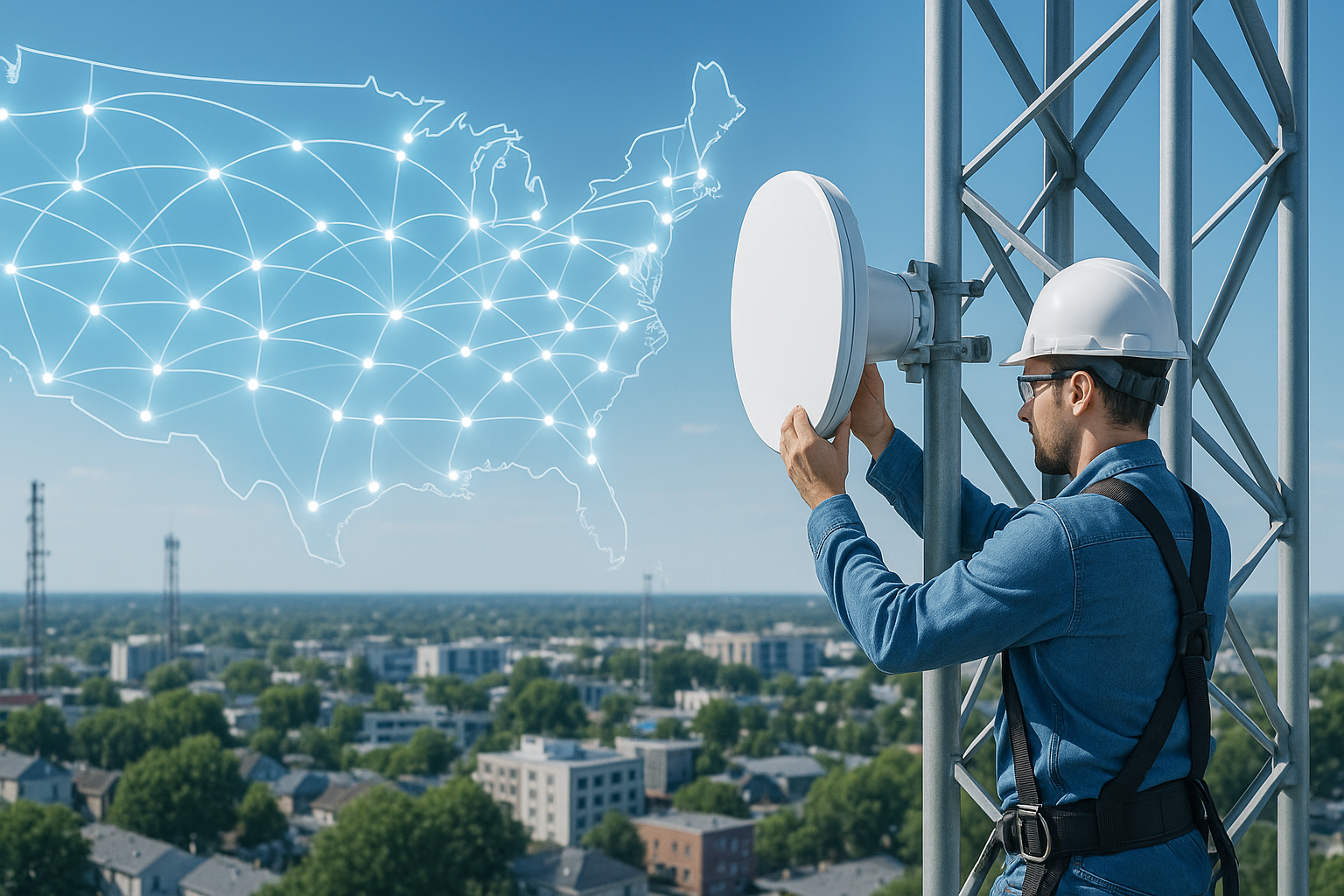
Expanding Internet Infrastructure Driving Faster Connectivity Across the US
The growth of internet infrastructure across the United States is rapidly shaping how we live, work, and connect with the world. Expanding networks and new technologies are pushing faster speeds, reducing latency, and unlocking opportunities for communities that were historically underserved. From major cities to small rural towns, these infrastructure developments are changing the face of connectivity in America.
Why Internet Infrastructure Matters
Internet access is more than just streaming movies or checking emails—it’s the foundation for education, remote work, telehealth, and economic opportunity. Reliable infrastructure allows both urban and rural areas to benefit from digital growth.
- Students in rural communities gain access to remote learning resources.
- Healthcare providers can deliver telemedicine services to patients far from hospitals.
- Small businesses can compete online with better bandwidth.
- Families can enjoy high-quality entertainment and communication tools without disruptions.
Key Drivers of Infrastructure Expansion
Several factors are fueling the expansion of internet networks in the U.S., including federal investments, private sector initiatives, and technological innovation.
Federal and State Investments
Policy initiatives have bolstered internet infrastructure development across the nation. The U.S. federal government has invested heavily in expanding connectivity for rural and underserved communities. These funds help extend fiber networks, subsidize the deployment of advanced wireless, and improve broadband coverage nationwide.
Private Sector Growth
Private companies continue investing billions of dollars to build out fiber, upgrade data centers, and deploy new wireless technologies. These investments play a key role in keeping the U.S. competitive in digital infrastructure globally.
Technological Advances
Multiple technologies are converging to boost speeds and reliability:
- Fiber optics: Delivering some of the fastest and most reliable connections available.
- 5G networks: Empowering mobile devices and smart homes with low-latency connectivity.
- Edge computing: Bringing data processing closer to users, reducing delays in critical applications.
Impact on Rural America
For decades, rural communities have struggled with slow or unreliable internet. The recent focus on infrastructure expansion is bridging that gap. New fiber-optic lines, wireless solutions, and governmental subsidies are creating real change in these regions.
- Farmers now use connected devices for precision agriculture.
- Remote workers can remain in their hometowns without relocating to major cities.
- Students can participate in online learning without lagging behind urban peers.
Urban Connectivity and Smart Cities
Urban areas are also benefiting. The expansion of internet infrastructure supports the growth of “smart cities,” where connected devices manage everything from traffic systems to energy grids. Faster connectivity means more efficient services and improved quality of life for residents.
Examples of Smart City Applications
- Traffic lights that communicate with vehicles to reduce congestion.
- Smart grids that balance energy consumption based on real-time demand.
- Public Wi-Fi networks that allow free connectivity in parks and public areas.
Challenges in Infrastructure Expansion
Despite progress, there are hurdles that remain:
- Geography: Mountainous or remote regions make fiber deployment costly.
- Funding: Not all areas attract sufficient investment from providers.
- Digital divide: Even when service is available, affordability remains an obstacle.
The Role of Community Efforts
Community partnerships can accelerate infrastructure projects. Local governments, cooperatives, and nonprofits sometimes step in where the private sector has not. Grassroots efforts often push for better service or build small-scale networks to meet demand.
Community Internet Success Story
Some small towns, with support from cooperatives and residents, have successfully built high-speed networks. These grassroots projects show how community-driven infrastructure can thrive where commercial incentives are low. You can even find discussions and real experiences on platforms like Reddit, where residents share how community broadband changed their towns.
Future Technologies Driving Faster Connectivity
The story of internet growth in the U.S. is far from over. Exciting new technologies will continue reshaping infrastructure:
- Fiber to the home (FTTH): Expanding gigabit speeds.
- Wi-Fi 7: Offering ultra-fast wireless connections inside homes and businesses.
- Low-earth orbit (LEO) satellites: Reaching regions where terrestrial networks are unfeasible.
Why Faster Connectivity Matters for Everyone
Better connectivity isn’t just convenient—it’s essential for social and economic equality. Whether you’re a student taking an online course, a doctor conducting virtual appointments, or a business owner selling products online, infrastructure expansion opens doors to opportunity.
Tips for Households Preparing for Faster Internet
- Upgrade to modern Wi-Fi routers to take full advantage of new speeds.
- Use Ethernet connections for activities that require maximum stability.
- Check with your local community boards (such as Quora discussions or neighborhood Facebook groups) to explore regional infrastructure updates.
Looking Ahead
The U.S. is on a clear trajectory toward better internet connectivity for everyone. Expanding infrastructure, combined with community efforts and technological breakthroughs, continues to drive faster and more reliable connections across the country. While challenges remain, the future looks bright for rural and urban households alike.
Conclusion: A Connected Future
The expansion of internet infrastructure across the United States is more than just an upgrade—it’s a transformation of how society functions. From education and healthcare to entertainment and business, connectivity now shapes nearly every aspect of daily life. And as infrastructure continues to expand, the benefits will be felt in every corner of the country.
Easy Ways to Check Fiber Internet Availability in Your Area
If you’ve been wondering whether fiber internet availability has reached your neighborhood, you’re not alone. Fiber is one of the fastest, most reliable types of internet connections available today. But while many people would love to have it, coverage is still expanding gradually. The good news? There are several easy ways to find out if fiber internet is offered where you live—or if it might be coming soon.
Why Fiber Internet Matters
Before diving into the methods for checking coverage, let’s quickly look at why fiber is so appealing:
- High Speed: Fiber delivers speeds that can reach into the gigabit range, ideal for streaming, gaming, and working from home.
- Low Latency: Faster data response times compared to DSL or satellite internet.
- Reliable Connection: Less interference than copper-based networks, making uploads and downloads smoother.
- Better for Multi-Device Homes: Perfect for smart homes where multiple devices are constantly online.
Now, let’s explore how you can actually discover if it’s in your area.
1. Ask Your Neighbors
Sometimes the easiest way to find out if fiber is available is by asking those around you. Knock on a neighbor’s door or start with a quick group post in your community Facebook group or on Reddit. Neighbors can confirm if they already have fiber and what company installed it. This can save you time and give you a sense of whether installation is already happening street by street.
2. Look for Utility Boxes and Network Gear
If you frequently walk or drive in your area, take note of new utility boxes, thin orange or yellow cables, or crews working near power lines. Local reports often surface in neighborhood forums like Nextdoor. Fiber rollout is highly visible, so spotting new infrastructure could be a sign availability is on the horizon.
3. Use Online Coverage Tools
Fiber coverage tools are one of the most straightforward methods. While not every online database is perfect, these tools usually update when ISPs expand their networks. Popular discussion threads on Quora often include community-verified information about where fiber lines are being rolled out.
4. Check with Local Government or City Planning
Many local governments publish broadband expansion updates. City council and county websites sometimes list which providers are laying fiber lines. If you’re not sure where to look, a quick search of your town’s website or even attending a local council meeting could yield answers. Following local government on social media or browsing Facebook community pages can also help you stay updated.
5. Drive Around and Spotting Fiber Trucks
Fiber installation is not a quiet event—you’ll often see contractor trucks labeled with fiber optics or broadband installation parked in neighborhoods. If you’ve noticed trucks around, it’s worth asking those crews politely if fiber service will soon extend to your street.
6. Explore Crowdsourced Updates
Internet users love sharing updates on rollouts. On platforms like Yelp and Reddit, residents often discuss installation progress, personal experiences with new service, and estimated availability dates. Checking these threads and reviews may help you confirm details faster than waiting for mailing lists or advertisements.
7. Use WiFi Scanning Tools to Spot Networks
Although designed for troubleshooting, tools such as the ones outlined on NetSpot can sometimes show you nearby broadcast network names. If you spot unfamiliar new networks around your area labeled with the abbreviation “fiber” in the SSID, it may be an indicator that fiber installations have been completed nearby.
8. Ask Local Internet or Tech Groups
If your city or town has a tech club, digital meetup, or active forum, joining one can be helpful. New broadband expansions are often hot topics in regional groups. Searching for your town alongside “fiber internet” questions in places like Quora could connect you to others in your area monitoring fiber rollout closely.
What to Do If It’s Not Yet Available
If your search turns up empty and fiber isn’t yet in your area, you’re not out of options. Here’s how you can stay proactive:
- Sign Up for Updates: Many providers allow pre-registration, which lets them know where demand is greatest.
- Combine Voices: Rally your neighbors to request fiber internet together. Larger requests often gain attention more quickly.
- Watch for Hybrid Options: Some areas begin with fiber-to-the-curb or fiber-to-the-building before extending fully to residences.
- Stay Engaged Online: Local groups on Reddit and Facebook often share early news about expansions.
Fiber vs Other Internet Types
To better understand your connectivity choices while waiting for fiber, here’s a quick comparison:
| Technology | Typical Speed | Best Use |
|---|---|---|
| Fiber | Up to gigabit speeds | Heavy streaming, gaming, remote work, smart homes |
| DSL | Slower, varies by line | Light browsing, basic connectivity |
| Cable | Moderate to high | Streaming, video calls, general home usage |
| Fixed Wireless | Varies by signal strength | Rural and suburban homes lacking wired options |
| Satellite | Limited speeds, higher latency | Remote areas without other choices |
Final Thoughts
Fiber internet is expanding rapidly, but knowing whether it’s currently available near you doesn’t have to be complicated. From asking neighbors and browsing forums like Reddit, to watching for infrastructure projects and staying tuned to local government updates, you have plenty of options for tracking availability.
Even if it’s not in your area right now, staying active and vocal about wanting it can speed up the process. Use tools, connect with your community, and keep checking regularly—you’ll be first in line once it’s ready for installation in your neighborhood.