Posts tagged: cable providers in north carolina
Smart TVs have changed the way people enjoy entertainment at home. Instead of depending only on cable channels, you can now stream movies, shows, sports, documentaries, music, live TV, and online videos directly on your screen. But to enjoy smooth and high-quality entertainment, you need more than just a smart TV. A professional streaming setup can make your viewing experience faster, clearer, and more enjoyable.
A good streaming setup helps reduce buffering, improve picture quality, support better sound, and make it easier to access your favourite apps. Whether you watch Netflix, YouTube, Prime Video, Disney+, Hulu, live sports, or IPTV services, the right setup can make a big difference.
Why a Professional Streaming Setup Matters
Many people buy a smart TV and expect everything to work perfectly straight away. While smart TVs are built for streaming, the final experience depends on several things, including internet speed, WiFi strength, app performance, device settings, and home network quality.
If your internet connection is weak or your TV is far from the router, you may face slow loading, poor video quality, freezing screens, or repeated buffering. A professional streaming setup helps solve these issues by creating a stronger and more stable connection for your entertainment system.
It also helps you get the best out of your TV. If you have a 4K or HDR smart TV, you need the right internet speed, correct display settings, and compatible streaming apps to enjoy sharp visuals and rich colours.
Start with a Reliable Internet Connection
The most important part of any smart TV streaming setup is a reliable internet connection. Streaming uses a lot of data, especially when watching HD, 4K, or live content. If your internet speed is too slow, your video may pause, drop in quality, or take longer to load.
For basic HD streaming, a moderate connection may be enough. But for 4K streaming, multiple devices, gaming, video calls, and smart home use, a faster and more stable internet plan is better. Homes with several users should choose an internet service that can handle multiple devices at the same time.
A strong internet connection helps keep your smart TV entertainment smooth, whether you are watching a movie, live match, family show, or online event.
Improve WiFi Coverage Around Your TV
Even if your internet plan is fast, weak WiFi can still affect streaming quality. If your smart TV is far from the router or there are walls between the TV and router, the signal may not be strong enough.
To improve WiFi coverage, place your router in a central location and avoid hiding it behind furniture or inside cabinets. Keep it away from thick walls, metal objects, and other electronics that may interfere with the signal.
For larger homes, a WiFi extender or mesh WiFi system can help spread the connection more evenly. This gives your smart TV a stronger signal and reduces buffering during streaming.
Use a Wired Connection for Better Stability
For the best streaming performance, an Ethernet cable can be a smart choice. A wired connection is usually more stable than WiFi because it connects your smart TV directly to the router.
This is useful for people who stream 4K content, watch live sports, use IPTV, or want fewer interruptions. While WiFi is convenient, Ethernet can offer better reliability, lower delay, and smoother playback.
If your TV and router are close enough, connecting them with a cable can be one of the easiest ways to improve your professional streaming setup.
Choose the Right Streaming Apps and Devices
Most smart TVs come with built-in apps, but not all apps work equally well on every TV. Some older smart TVs may become slow over time or may not support the latest app updates.
If your TV apps are slow, you can use an external streaming device such as a streaming stick, Android TV box, Apple TV, Roku, or Fire TV device. These devices can improve app speed, provide better updates, and make it easier to access different streaming platforms.
Make sure your apps are updated regularly. Updated apps often perform better and may include security improvements, bug fixes, and new features.
Adjust Your Smart TV Settings
A professional streaming setup is not only about internet speed. Your TV settings also matter. Many smart TVs have picture modes such as Standard, Cinema, Movie, Sports, or Game Mode. Choosing the right mode can improve your viewing experience.
For movies and shows, Cinema or Movie Mode often gives a more natural picture. For sports, a brighter setting may help. For gaming, Game Mode can reduce input delay.
You should also check sound settings. If your TV speakers are not strong enough, a soundbar or home theatre system can create a better entertainment experience with clearer dialogue and deeper sound.
Keep Your Streaming Setup Organised
A clean and organised setup improves both performance and appearance. Use proper cable management to avoid messy wires around your TV area. Keep your router, streaming devices, and TV accessories in well-ventilated spaces so they do not overheat.
Also, remove apps you do not use. Too many unused apps can make some smart TVs feel slow. Restart your TV and router occasionally to refresh the connection and improve performance.
Protect Your Home Network
A good streaming setup should also be secure. Use a strong WiFi password and avoid sharing your network with too many unknown devices. Too many connected devices can slow down your internet and affect streaming quality.
You can also create a separate guest network for visitors. This helps protect your main home network and keeps your smart TV, phones, laptops, and smart devices more secure.
Final Thoughts
A professional streaming setup for smart TV entertainment can turn a simple viewing experience into a smoother, clearer, and more enjoyable one. With reliable internet, strong WiFi coverage, updated apps, proper TV settings, and a stable connection, you can enjoy your favourite content with fewer interruptions.
Whether you love movies, sports, live TV, gaming, or family shows, the right setup helps your smart TV perform at its best. By improving your internet connection, organising your devices, and choosing the right streaming tools, you can create a home entertainment experience that feels simple, modern, and reliable.
FAQs
1. What internet speed is best for smart TV streaming?
For smooth HD streaming, a stable internet connection is usually enough. For 4K streaming, live sports, gaming, or multiple devices, a faster plan is better to reduce buffering and loading issues.
2. Is WiFi good enough for smart TV streaming?
WiFi can work well if the signal is strong and your TV is close enough to the router. If you face buffering or weak signals, a wired Ethernet connection may give better stability.
3. Why does my smart TV keep buffering?
Buffering can happen because of slow internet speed, weak WiFi coverage, too many connected devices, outdated apps, or poor router placement. Improving your network setup can help fix the issue.
4. Do I need a streaming device if I already have a smart TV?
Not always. If your smart TV apps work smoothly, you may not need one. However, a streaming device can help if your TV is slow, apps are outdated, or you want access to more streaming platforms.
5. How can I improve my smart TV streaming quality?
You can improve streaming quality by using reliable internet, placing your router in a better location, updating apps, using Ethernet where possible, and adjusting your TV picture and sound settings.
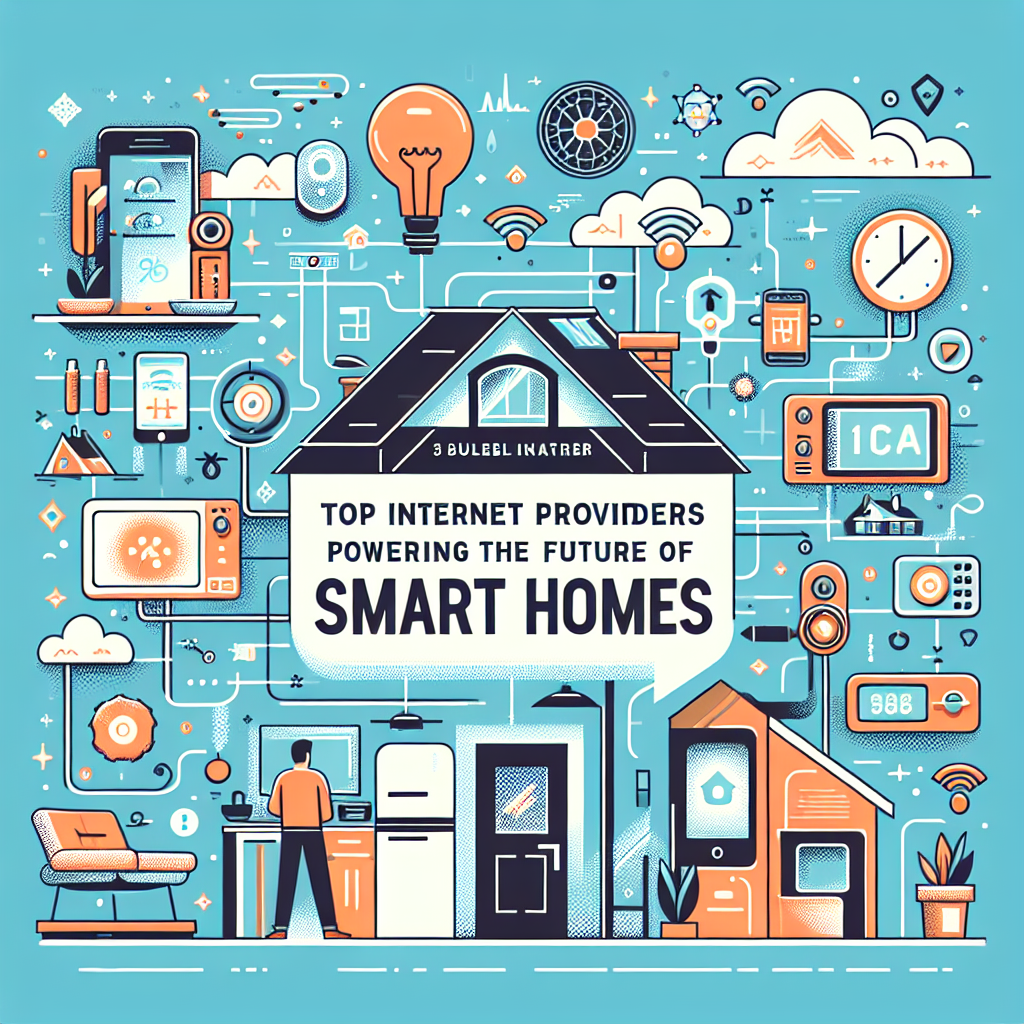
Top Internet Providers Powering the Future of Smart Homes
Smart homes are no longer a futuristic dream — they’re here. From voice-activated assistants to intelligent security systems and automated lighting, our homes are becoming smarter every year. But the backbone of every connected device is reliable, fast, and stable internet. Choosing the right internet provider is more important than ever, especially if you’re setting up or upgrading a smart home. In this article, we’ll dive into the internet providers powering the future of smart homes, what to look for when deciding, and why the right connection makes all the difference.
Why Internet Providers Are Key to Smart Homes
Your internet connection is like the foundation of a house. Without a solid base, the rest of the structure simply doesn’t stand strong. In the same way, your smart home gadgets depend on the bandwidth and reliability of your Wi-Fi.
- A stable connection ensures seamless video streaming for security cameras.
- Reliable upload speeds allow real-time communication with smart doorbells.
- Low latency ensures quick responses from voice assistants.
- Multiple device handling supports dozens of connected gadgets simultaneously.
Understanding Internet Speeds for Smart Homes
Before exploring providers, it’s essential to understand how speed impacts your experience. Smart homes place new demands on internet connections because they often involve dozens of devices communicating constantly. Unlike traditional households where just laptops and phones connect, smart homes feature everything from thermostats to fridges needing bandwidth.
Download vs Upload Speeds
When you stream a movie or load a webpage, you’re using download speed. When you video chat or share footage from your security camera to the cloud, you’re using upload speed. Smart home owners should pay attention to both — especially upload speeds which are often overlooked.
Latency and Reliability
Latency is the delay between sending a command and the device responding. In a smart home setting, low latency is critical because you want your assistant or appliance to respond instantly when prompted. Reliability means fewer dropped connections, which can otherwise interrupt alarms, sensors, or devices running efficiently.
Top Internet Providers Powering Smart Homes
Not all providers are created equal when it comes to smart homes. While traditional metrics like speed still matter, modern households need to factor in consistency, customer service, and technological innovation offered by providers in their area. Below, we’ll explore types of providers you may encounter and the unique strengths they bring to powering your smart home.
Fiber Internet Providers
Fiber internet is widely regarded as the gold standard for smart homes. It offers symmetrical speeds (download and upload equal) and low latency. With more devices competing for bandwidth, this consistency is crucial. For example, a family with multiple smart TVs streaming 4K content along with background IoT activity won’t experience buffering if they’re set up on fiber. Check local review platforms like Yelp or community discussions on Reddit to see which providers truly deliver in your area.
Cable Internet Providers
Cable internet remains popular for households where fiber hasn’t rolled out yet. It typically delivers fast downloads, though upload speeds trail behind. For medium-sized smart homes that depend on high-definition video surveillance, cable internet may be more than sufficient.
Fixed Wireless Providers
Fixed wireless connections can bring decent speed to rural or underserved locations, where wired internet may not be available. However, coverage reliability depends heavily on line-of-sight and environmental factors. Still, modern fixed wireless is bridging gaps in areas that would otherwise struggle to connect smart devices.
Satellite Internet Providers
Satellite internet ensures that even the most remote cabins can operate smart devices. While latency tends to be higher, technology continues to improve. For households prioritizing basic connectivity over performance, this can keep smart assistants, lighting systems, and thermostats online.
Key Features to Look For When Choosing Your Provider
- Speed Tiers: Match internet speed with the size of your household and number of connected devices.
- Smart Home Compatibility: Some providers offer equipment optimized for IoT devices.
- Wi-Fi Coverage: Consider mesh Wi-Fi systems for larger or multi-story homes.
- Customer Support: Look for providers praised on forums like Quora or Reddit.
Tips to Maximize Your Smart Home Internet
Even with a good provider, your home setup determines how well your smart technology thrives. Follow these helpful tips to ensure consistent connections:
- Position your router in a central location for maximum coverage.
- Invest in a mesh Wi-Fi system if your home has multiple floors or many walls.
- Use Ethernet cables for data-heavy devices like gaming consoles or home hubs to free up wireless bandwidth.
- Set up a separate guest network so IoT devices don’t interfere with personal browsing security.
Comparing Internet Types for Smart Homes
Here’s a quick breakdown of how different connections serve smart homes:
| Connection Type | Strengths | Weaknesses |
|---|---|---|
| Fiber | Fastest, symmetrical speeds, low latency | Availability limited in some areas |
| Cable | High download speeds, widely available | Lower upload speeds, can slow during peak hours |
| Fixed Wireless | Great for rural areas, decent speeds | Weather and distance can affect performance |
| Satellite | Global coverage, works in remote areas | High latency, weather interference |
Community Insights: Real Smart Home Setups
One of the best ways to know if a provider will work for your needs is to hear from actual users. Platforms like Reddit’s Home Networking community or dedicated smart home groups on Facebook provide valuable stories. Homeowners share how their cameras perform during storms or whether certain providers handle 40+ devices without issues.
Future-Proofing Your Smart Home
The world of smart homes is rapidly evolving. Today’s setup may include lights, speakers, and locks. Tomorrow, it could include walls that shift themselves, or AI that manages daily schedules seamlessly. Choosing the right internet provider now ensures you won’t constantly need to upgrade in the future.
- Prioritize providers offering Wi-Fi 6 compatible routers and services.
- Consider data caps or unlimited plans, depending on how device-heavy your home is.
- Keep an eye on emerging technologies like Wi-Fi 7 for future adoption.
Conclusion
As our homes get smarter, our reliance on fast, reliable internet grows stronger. The best internet providers for smart homes are those that not only offer speed but also reliability, flexibility, and innovation. Whether you’re starting small or building a fully automated ecosystem with dozens of devices, your provider will make or break the experience. Take the time to research local providers through user-driven platforms such as Reddit or Yelp, match their service levels to your household needs, and you’ll have the foundation required for your dream smart home.