Posts tagged: best internet for single person

Top Eco Friendly Internet Providers Making the Web Greener
The demand for high-speed internet continues to grow, but so does the need for more sustainable digital infrastructure. The internet is not just invisible waves of connectivity — behind the scenes, millions of servers, data centers, and miles of fiber infrastructure consume electricity every second. That’s why eco friendly internet providers are stepping in, making conscious choices to reduce energy consumption, adopt cleaner technologies, and create a more sustainable online world.
Why Eco Friendly Internet Matters
Every search, every video stream, and every file download uses electricity. Data centers worldwide consume huge amounts of energy, contributing to carbon emissions if powered by fossil fuels. Reports from Wikipedia note that large-scale data centers can consume as much energy as a small city.
Eco friendly internet providers are addressing this challenge through:
- Investing in renewable energy sources like solar and wind
- Reducing waste in hardware and networking equipment
- Improving infrastructure efficiency with modern designs
- Encouraging customers to adopt low-energy routers and devices
How Providers Are Going Green
Let’s explore the common strategies being used by eco focused internet providers to reduce their environmental footprint.
1. Running on 100% Renewable Energy
Some providers have committed to sourcing electricity entirely from renewable power grids. This ensures that their servers, offices, and supporting facilities aren’t adding to carbon emissions. Companies achieving this milestone often purchase renewable energy credits or build solar and wind farms.
2. Greener Data Centers
Modern data centers can use advanced cooling technology to minimize energy waste. Traditional cooling systems required massive air conditioning, but sustainable providers now use natural cooling and liquid immersion cooling techniques. According to Wikipedia, liquid cooling can reduce power use significantly compared to traditional fans and AC systems.
3. Energy Efficient Internet Hardware
Eco friendly ISPs encourage or provide customers with low-power routers and modems designed to consume less electricity. While a small step, it contributes to reducing home energy use across thousands of households in service areas.
4. Recycling and E-Waste Reduction
Internet technology requires frequent upgrades, but discarded routers and networking equipment often add to e-waste. Sustainable providers run recycle programs for returned devices, ensuring functional parts are reused while waste is responsibly recycled.
Examples of Sustainability in Action
Although not all providers publicize their eco initiatives equally, many have started publishing sustainability reports and sharing key projects to be more transparent. On social platforms like Reddit, users often highlight internet companies making real commitments to cleaner technology rather than just green marketing claims.
Here are types of actions being reported:
- Transitioning entire headquarters and facilities to solar energy
- Partnering with renewable energy farms
- Participating in government climate pledges or regional clean power programs
- Investing in carbon offset projects for unavoidable emissions
Tips for Choosing a Greener Internet Option
If you want your internet usage to have a lighter footprint, you can consider these tips when evaluating ISPs or their offered solutions:
- Check if the provider publishes a sustainability or environmental responsibility report
- Look for renewable energy commitments in their corporate news sections
- Choose options that provide energy efficient routers or allow bring-your-own-modem setup
- Call customer support and ask directly about their green initiatives
The Role of Consumers in Greener Internet Usage
Even if your local internet provider doesn’t yet advertise eco efforts, that doesn’t mean you can’t make your own usage more eco friendly.
Optimize Your Home WiFi
Lower your energy footprint by turning off routers when not in use, or by using programmable power strips. Some advanced devices allow optimized energy modes, which reduce idle energy draw.
Choose Streaming Wisely
Streaming in very high-definition when not necessary consumes more data, and indirectly more energy through data centers. Watching in a slightly lower resolution reduces bandwidth usage and power consumption.
Recycle Equipment
When your provider upgrades your modem or router, don’t toss the old one in the trash. Check for local electronic recycling programs on community boards like Facebook Marketplace groups or drop-off locations listed by city services.
Comparing Eco Friendly Features
While eco friendly providers vary in their approach, here are the most common focus areas for sustainability:
| Eco Feature | Benefit |
|---|---|
| Renewable Energy | Reduces carbon emissions from electricity usage |
| Efficient Data Centers | Lowers power consumption with better cooling technologies |
| Green Hardware | Encourages customers to save energy at home |
| E-Waste Programs | Recycles and reduces dangerous technology waste |
| Carbon Offsets | Mitigates unavoidable energy consumption impact |
Future of Sustainable Internet
The trend towards eco friendly internet is growing. As demand for cloud services, video platforms, and IoT devices increases, providers will need to expand capacity responsibly. Climate-conscious customers are influencing these decisions by favoring providers with clear and ambitious green goals.
Public discussions on platforms like Quora show more people asking about eco friendly tech choices every year, which places additional pressure on companies to innovate in responsible ways.
Conclusion
Digital connections are here to stay, but so is climate responsibility. The best path forward is for internet providers and users alike to share accountability for greener networks. By supporting internet companies that prioritize renewable energy, efficient technology, and recycling programs, we can ensure that the web of the future isn’t just fast — it’s also environmentally sustainable.
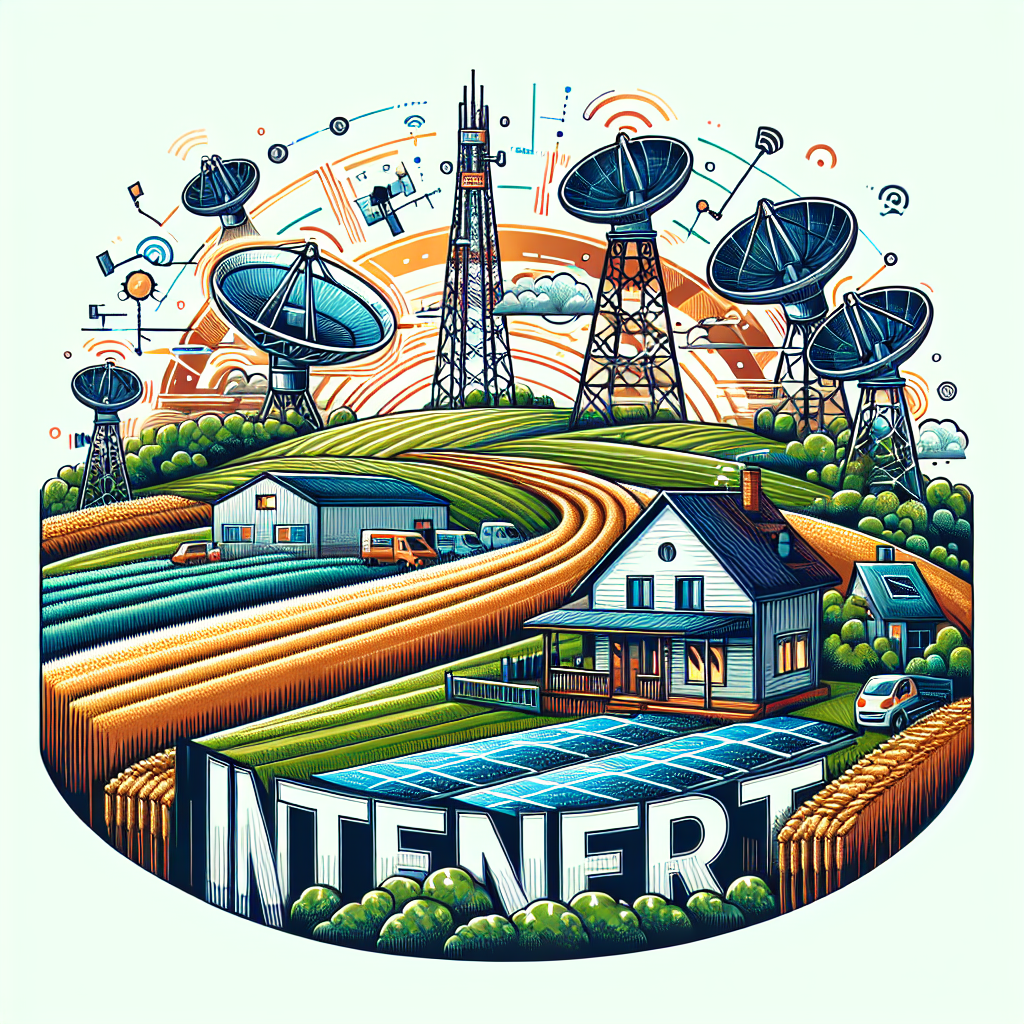
Finding the Best Internet Options for Rural Living
If you live outside the city limits, you already know that finding reliable internet options for rural living can feel overwhelming. While urban neighborhoods often enjoy lightning-fast connections, rural communities must balance availability, affordability, and reliability. But here’s the good news: with recent technology advances, rural households have more choices than ever before. This guide breaks it down in a friendly way so you can find the connection that fits your lifestyle.
Why Internet Access Is a Challenge in Rural Areas
Rural landscapes pose unique challenges for internet providers. Vast distances between homes make laying cables and fiber expensive. Some communities are nestled in valleys or wooded areas that interfere with wireless signals. Even when coverage exists, speeds may not keep up with modern needs like streaming, online learning, or working from home.
Still, internet access isn’t optional. Whether you’re running a family farm, homeschooling kids, or video chatting with relatives, a stable connection is essential. Understanding your local options is the first step toward a smoother online experience.
Common Internet Options for Rural Communities
Here’s a look at the most widely available technologies in rural areas:
- DSL – Runs on traditional phone lines and is often available in small towns, though speeds may be limited.
- Cable – Uses coaxial lines and can deliver faster speeds, but limited in many rural landscapes.
- Fiber – Considered the “gold standard,” but it’s rare outside metro regions.
- Fixed wireless – Beams internet from a nearby tower to a receiver at your home. Often available farther from towns.
- Mobile hotspots – Use cell towers to provide data plans for home use.
Each type comes with pros and cons, which we’ll dive into next.
DSL Internet in Rural Living
DSL, or Digital Subscriber Line, remains a trusted option because many rural households already have landline access. However, speed depends heavily on how close you live to the provider’s central office. The farther you are, the slower your connection may run. For small households or light web browsing, DSL can still be an affordable and reliable choice.
Pros
- Usually more affordable than other options
- Often available where traditional phone lines run
- Simple to install
Cons
- Slower upload and download speeds
- Not ideal for video-heavy or work-from-home needs
Fixed Wireless: A Growing Favorite
Fixed wireless internet has gained attention in rural areas. A signal is broadcasted from a nearby tower and picked up by an antenna at your home. This option often bypasses the need for expensive ground cable installation.
Why Rural Users Like It
- Offers much higher speeds than traditional DSL
- Coverage expanding rapidly in rural towns
- Quick setup with minimal equipment
Potential Drawbacks
- Requires direct line-of-sight to the tower
- Speeds may drop in bad weather or heavily wooded areas
Understanding Satellite Options
Satellite internet is one of the most accessible solutions since it only requires a clear view of the sky. Even remote farms can access it where other services don’t reach. That said, satellite is often affected by latency—meaning slower response times for gaming or video calls.
Some users rely on forums like Reddit discussions about rural internet where people share real-life satellite experiences. These communities highlight how weather and data caps can be ongoing frustrations.
Mobile Hotspots & Cellular Internet
If you have strong cellphone reception, a hotspot device might be the simplest way to access the web. Mobile carriers often offer plans with generous data limits designed for home use. For households on the move—or those who don’t want to commit to installing equipment—hotspots can be an excellent bridge to connectivity.
Things to Keep in Mind
- Performance depends on local cell tower strength
- Data overages may be costly
- Portable and flexible for families who travel seasonally
Fiber: The Dream for Rural Internet
Fiber-optic internet delivers unmatched speeds and stability, but unfortunately, it’s still rare in rural America. Where available, fiber is the best long-term investment. Several counties and local cooperatives have started laying fiber as part of infrastructure initiatives, giving hope that it will continue to spread outside city limits.
Planning Your Bandwidth Needs
Rural families often underestimate how much internet speed they need. It’s not just about browsing anymore. Streaming 4K movies, joining Zoom calls, or uploading work all demand higher bandwidth. A helpful starting point is this Wikipedia article on bandwidth in computing, which explains how capacity is measured.
When choosing a service, think about:
- How many devices connect regularly
- Whether you work from home or do online schooling
- Entertainment needs like gaming, smart TVs, or streaming
Comparing Your Local Options
Before making a decision, consider building your own comparison chart. A simple table format can help you see the differences clearly:
| Option | Average Speeds | Best For |
|---|---|---|
| DSL | Up to ~25 Mbps | Basic browsing, light streaming |
| Fixed Wireless | 25-100 Mbps | General streaming, remote work |
| Satellite | Varies, latency issues | Areas with no other access |
| Mobile Hotspot | Depends on carrier tower | Flexible use, seasonal travel |
| Fiber | 100 Mbps – 1 Gbps+ | Heavy streaming, smart homes |
Finding Community Feedback
Another smart step is connecting with your neighbors or reading local discussions online. Sites like Quora discussions on rural internet include firsthand user experiences that can be more helpful than vague marketing promises.
Tips to Optimize Any Connection
No matter the service type you choose, there are small ways to make your home internet run smoother:
- Position your router in the center of your home
- Keep your modem and router updated
- Limit background streaming or downloads when doing video calls
- Use a wired Ethernet connection when gaming
Rural Internet and Smart Homes
You don’t have to give up modern technology just because you’re in the countryside. Smart thermostats, cameras, and speakers can still work with rural connections, provided bandwidth is managed properly. It’s common to find people sharing smart rural setups on YouTube tutorials.
Final Thoughts
Finding the best internet option for rural living takes a little bit of research and realistic expectations. While no single service checks all the boxes for every household, knowing the strengths and limits of DSL, fixed wireless, satellite, mobile hotspots, and fiber will guide you toward the right choice. Combine that with smart router placement and bandwidth planning, and you’ll be surprised at how connected your rural home can feel.

5 Signs You Need a Faster Internet Plan Right Now
We’ve all felt the frustration of slow connections, endless buffering, or Zoom calls that freeze at the worst times. If your home Wi-Fi no longer keeps up with your daily life, it may be time to upgrade. Your internet plan should match how you use technology—whether for work, school, or streaming—and when it falls short, the experience can be stressful. Recognizing the warning signs early can save you time, headaches, and even money in the long run. Let’s dive into the clear signs you need a faster internet plan right now.
1. Your Video Calls Keep Freezing or Dropping
Remote work, online classes, and virtual hangouts have become a daily norm. But if you notice constant freezing, dropped calls, or robotic-sounding audio, your connection is struggling to keep up. Video apps like Zoom, Microsoft Teams, and Google Meet require steady bandwidth. When multiple people in your household use video conferencing at the same time, your internet plan might buckle under the strain.
What’s happening?
- Video conferencing needs a strong upload speed, not just download speed.
- Older internet plans often prioritize downloads, leaving uploads weak.
- When kids are in online classes while you’re in a meeting, slow plans can’t handle both.
Quick Tip:
If you notice calls disconnecting whenever someone else streams in another room, it’s a good sign you need more bandwidth—all family activities should be able to happen smoothly at once.
2. Streaming Feels More Like Buffering
Streaming movies, shows, or live sports should feel seamless, but buffering wheels and low video quality are telltale signs of insufficient internet speed. Modern platforms like Netflix and YouTube automatically adjust video quality based on your speed. That’s why your HD movie suddenly drops to pixelated standard definition if your plan can’t keep up.
Signs your streaming needs more speed:
- Frequent pauses to buffer while watching.
- Video quality shifts down from HD or 4K to lower resolutions.
- Two or more people streaming different shows at once crashes the system.
Entertainment has shifted to streaming more than ever, and if your plan was designed for simple web browsing, it won’t match the demands of today’s binge-watching habits.
3. Too Many Devices Drag Down Your Network
Think about how many devices are connected to your Wi-Fi right now—phones, tablets, laptops, smart TVs, gaming consoles, smart thermostats, speakers, and maybe even a few kitchen appliances. Each one uses a portion of your bandwidth. If your plan isn’t built for modern households with 10, 20, or even more connected devices, you’ll feel the slowdown everywhere.
Why this matters:
- Every smart home gadget uses a small but steady portion of your internet.
- More devices introduced over time make an outdated plan fail silently.
- If gaming, streaming, and work overlap, weaker Wi-Fi plans collapse.
One of the best solutions for homes with lots of devices is a router with Wi-Fi 6 technology, which is praised for handling high device loads without bottlenecks. As noted in guides like yestechie.com, upgrading your hardware along with a faster plan ensures your devices stay connected without competing for scraps of bandwidth.
4. Online Gaming Feels Laggy and Unfair
Gamers are among the first to notice when speeds aren’t enough. A tiny delay (known as latency) can mean losing battles, missing shots, or disconnecting entirely. If your online matches seem unfair and your reactions never register as quickly as others, slow internet could be the culprit.
How lag shows up:
- Your character moves slower than others in online games.
- Enemies appear out of nowhere due to delayed rendering from lag.
- Game downloads and updates take hours instead of minutes.
According to reviews of high-performance routers like the ASUS ROG Strix GS-AX5400 gaming router (Amazon), consistent speed and low latency make all the difference. But keep in mind that even the best hardware won’t perform well if your internet plan itself is too slow for modern multiplayer gaming.
5. Uploading and Cloud Backups Take Forever
It’s not just about downloading anymore. Upload speeds matter a lot—especially for work files, cloud storage, and photos. If it takes forever to back up files to Google Drive, iCloud, or Dropbox, your upload speeds are probably dragging you down. Many older internet plans offer upload speeds that are barely a fraction of their download speed, making them unusable for today’s cloud-first workflows.
Examples of upload-heavy tasks:
- Backing up family photos or videos to cloud storage.
- Uploading large work documents or creative projects.
- Streaming live content on YouTube, Twitch, or Facebook Live.
Cloud backups are essential for security and convenience, but when uploads creep along at a snail’s pace, your files may not sync correctly—or you’ll avoid backing up entirely, which puts your data at risk.
What You Can Do Next
If you’ve identified with several of these signs, your internet plan is holding you back. Here’s what to consider:
- Check how many devices are connected in your home.
- Test your current speeds compared to what you’re paying for—free tools like YouTube tutorials on speed tests can help you do this easily.
- Look for internet plans that highlight strong upload speeds if you rely heavily on video calls, gaming, or cloud backups.
- Upgrade your router if yours is 3+ years old—modern Wi-Fi 6 models are built for multi-device homes.
Table: Common Internet Activities and Recommended Speeds
| Activity | Recommended Speed |
|---|---|
| HD Streaming | 5–10 Mbps per stream |
| 4K Streaming | 25 Mbps per stream |
| Video Conferencing | 3–5 Mbps upload per user |
| Online Gaming | Low latency, at least 10–25 Mbps download |
| Cloud Backups | 10 Mbps+ upload recommended |
Final Thoughts
Modern life demands fast, reliable internet. If you’re juggling video calls, cloud backups, streaming, and smart devices, an outdated plan can’t keep up. Freezing screens, constant buffering, unresponsive gaming, and sluggish uploads aren’t just minor annoyances—they’re clear signals that your plan is outdated. Take the time to evaluate your household’s needs, and don’t hesitate to upgrade when your current service can’t meet them. The difference between frustration and freedom online might simply be a faster internet plan.

Top Internet Providers Offering Free Modems for Seamless Connectivity
Finding the right internet service often feels complicated. Between deciding on connection speeds, equipment, and monthly costs, customers are left wondering whether free equipment can actually make a difference. One of the most common questions people ask when setting up new service is: Which internet providers offer free modems? This feature alone can help save money while making setup faster and more seamless.
In this guide, we’ll explore what it means when a provider includes a modem at no additional cost, why it matters for connectivity, and what you should look for before signing up. We’ll also break down important details like modem types, extra equipment such as routers, and how different setups can affect the quality of your internet experience.
Why Free Modems Matter
Not all households want to worry about the technical details of buying their own modem. For many, the appeal of a free modem from their chosen internet provider comes down to three main benefits:
- Cost savings: Purchasing a modem separately can range anywhere from $60 to $200. Getting one free saves you upfront money.
- Plug-and-play simplicity: A provider-supplied modem is usually pre-configured, making installation simple.
- Compatibility assurance: The modem is already approved to work with the provider’s network, minimizing issues.
Of course, not every free modem is created equal. Some are basic models without built-in Wi-Fi. Others may double as a modem-router combo. To understand which setup suits you best, you first need to understand the differences in equipment.
Types of Modems and Gateways
Before jumping into providers, let’s look at what “free modem” could mean. A modem or modem-router combo (often called a gateway) connects your devices to the internet. They come in different types depending on the connection technology your home uses.
Common Types
- DSL Modems: Works with older phone-line based connections.
- Cable Modems: The most common type with coaxial cable connections.
- Fiber Gateways: Often include a modem-and-router combo built for high-speed fiber connections.
If you’re curious about the generic functions of a modem, Wikipedia has a detailed breakdown on cable modem technology that explains how they work to translate internet signals.
Free Modems vs. Rental Fees
One of the main reasons customers seek out providers that offer free modems is cost. Many internet customers end up paying around $10–$15 per month for “equipment rental.” Over a year, those fees rack up to over $150, which could have been avoided if they chose an internet provider that includes the modem for free.
That said, “free” generally means included in your plan at no extra monthly charge, not a separate line item for rental. This subtle difference is important to understand before signing a contract.
Top Providers Offering Free Modems
While different regions have different availability, many providers advertise free modems as part of their sign-up perk. Here are some well-known setups customers report, along with general details of what to expect:
| Provider Type | Included Equipment | Best For |
|---|---|---|
| Cable Internet | Entry-level modem with coaxial connection | Homes that stream and browse casually |
| Fiber Internet | Gateway with built-in Wi-Fi router | Households with multiple devices and video conferencing |
| DSL Providers | Modem or combo device depending on service tier | Rural users with limited infrastructure |
Choosing the right option depends on how you use the internet at home. For example, hosting an Airbnb or rental property may require reliable Wi-Fi coverage for guests. In that case, using the free modem combined with your own mesh Wi-Fi system gives stronger results. Systems like the Deco X55 mesh Wi-Fi demonstrate how pairing provider equipment with add-ons can eliminate dead zones in larger properties.
Should You Use the Provider’s Free Modem?
Even if your internet plan includes a free modem, you may be wondering if you should consider buying your own instead. Here are a few pros and cons:
Pros
- No upfront purchase costs.
- Guaranteed compatibility with provider network.
- Easy to replace if defective.
Cons
- Basic features compared to higher-end retail modems.
- May not include the latest Wi-Fi standards like Wi-Fi 6 or 6E.
- You might still choose to upgrade if you want stronger performance with multiple devices.
That said, free modems are a great option for households that mainly need affordable service without the hassle of shopping for extra hardware.
Modem Combos vs. Separate Devices
One big decision households face is whether to use a modem-router combo or separate modem and router. A combo device is more convenient, but separate devices often offer better performance. According to Medium, modem-router combos can sometimes overpromise on features. Sticking with a provider’s free basic modem and pairing it with your own preferred Wi-Fi router may give you the flexibility of both worlds.
What to Ask Before Signing Up
When considering a provider promising a free modem, ask these questions:
- Is the modem truly free? Make sure it’s included with your plan without hidden rental costs.
- Does it support the speeds I’m paying for? Some older equipment might bottleneck newer connection speeds.
- Does it come with built-in Wi-Fi? If not, you’ll need your own router.
- If I upgrade plans, is the modem still included? Some promotions only apply to lower tiers.
Mesh Systems and Free Modems
For larger homes, free modems alone may not cover the whole space. That’s where mesh systems come in. Mesh Wi-Fi spreads the connection evenly across your home using multiple access points. Instead of relying just on the included modem’s wireless signal, adding a mesh system ensures seamless connectivity everywhere. Newer mesh systems even use AI to optimize bandwidth, making them an excellent upgrade alongside your free provider modem.
Real-World Considerations
Many customers share their experiences on platforms like Reddit networking forums or Quora discussions. A common theme is this: most people want an affordable solution that “just works.” If a free modem keeps your household running without extra costs, it’s usually a smart choice.
Conclusion
A free modem doesn’t guarantee the fastest or most advanced equipment, but it does ensure basic reliability and saves you money. For many households, it’s the easiest way to get online quickly. More importantly, when paired with the right Wi-Fi solutions—whether that’s your own router or a mesh system—provider-supplied modems can serve as the foundation of a seamless home network.
At the end of the day, the best choice depends on your priorities. If you want ultimate control, you might eventually buy your own high-performance equipment. But if your main concern is reliable internet without extra fees, choosing an internet provider with a free modem is a practical, wallet-friendly decision.

Best Unlimited Internet Plans for 2025 to Keep You Connected Without Limits
Finding the best unlimited internet plans for 2025 can feel overwhelming, especially with so many options available. Whether you’re streaming in 4K, gaming online, working from home, or running a smart home, you need fast and reliable internet without worrying about data caps. The good news is that 2025 brings new levels of speed, reliability, and affordability thanks to evolving Wi-Fi technology and expanded networks across the country.
In this guide, we’ll explore the top options, what makes an unlimited plan worth it, and tips for choosing the right fit for your household.
Why Unlimited Internet Matters in 2025
Unlimited internet means freedom. No more stressing about overage charges, throttling after a certain cap, or limiting your family’s streaming just to save bandwidth.
Here are a few reasons unlimited plans are more important than ever in 2025:
- Video-first culture – With 8K streaming rising in popularity, higher speeds and no caps are essential.
- Remote work & learning – Virtual meetings, cloud storage, and online classes require consistent, unlimited connections.
- Smart homes – From security cameras to connected appliances, today’s homes need constant bandwidth.
- Gaming & VR – Modern gaming platforms and VR headsets guzzle data and demand stable connections.
What to Look for in the Best Unlimited Internet Plans
Not all “unlimited” plans are created equal. Many still hide data thresholds in the fine print. Here’s what to check before signing up:
- True unlimited data – Confirm that there are no hidden soft caps.
- Speed consistency – Look for plans that don’t throttle your speed even during peak hours.
- Low latency – Important for gaming and video conferencing.
- Flexible equipment – Make sure you can use your own router for better coverage.
Wi-Fi 6E and Wi-Fi 7: The Future of Unlimited Connectivity
As we step into 2025, Wi-Fi technology continues to evolve. Wi-Fi 6E and the emerging Wi-Fi 7 make unlimited plans even more powerful. According to guides on new networking technologies, these advancements bring:
- Faster speeds: Supporting multi-gigabit connections.
- Less congestion: Ideal for apartment complexes and bustling neighborhoods.
- AI optimization: Some new mesh systems use AI to route signals more intelligently.
These upgrades ensure that today’s unlimited plans aren’t just about no data caps—they’re about reliable high performance everywhere in your home.
Unlimited Internet Options in 2025
Plans vary depending on where you live, but unlimited packages are now available in more areas than ever. Some communities are even exploring innovative options like community-supported broadband and local cooperative internet projects.
On platforms like Reddit communities and Quora discussions, users are sharing real experiences about emerging providers that ditch restrictive caps and focus on customer-first service.
Key Features Many Providers Offer with Unlimited Plans
- Symmetrical download and upload speeds.
- Wi-Fi mesh system rentals included.
- No contracts for added flexibility.
- 24/7 technical support through chat apps or even Facebook groups.
Comparing Internet Equipment for Unlimited Plans
Even with the best plan, poor equipment can bottleneck your experience. Investing in a good Wi-Fi router or mesh Wi-Fi system ensures you’re making the most of your unlimited plan. Several leading brands are rolling out affordable Wi-Fi 6E and Wi-Fi 7 devices designed to push multiple gigabits seamlessly across your home.
Router vs Mesh System for Unlimited Plans
| Router | Mesh System |
|---|---|
| Ideal for small to medium homes | Best for larger homes or multi-floor layouts |
| Lower cost upfront | More expensive, but better coverage |
| One device controls all traffic | Multiple nodes spread coverage evenly |
| May require extenders in bigger homes | Less need for extenders thanks to distributed coverage |
Tips for Choosing the Best Unlimited Internet Plan in 2025
- Know your household’s usage: If you stream often or use multiple smart devices, skip entry-level plans.
- Match speed with equipment: Upgrading your router might be necessary to enjoy gigabit plans.
- Ask about latency guarantees: Unlimited isn’t just about speed; lag matters too.
- Read the fine print: Some companies label “unlimited” but throttle after 2TB or more usage.
Community Insights on Unlimited Internet Plans
Many people turn to community-driven sites like Reddit’s HomeNetworking forum or YouTube reviews for insights before signing contracts. Real-world experiences provide valuable context on installation, consistency, and customer service. These conversations are especially useful if you’re considering local or regional providers who may not advertise heavily.
The Future of Unlimited Internet in 2025 and Beyond
Unlimited data is becoming the rule rather than the exception. As Wi-Fi 7 expands and fiber coverage grows, customers everywhere can expect plans that support work, entertainment, and smart living—without worrying about speed drops or hidden data thresholds.
Looking ahead, expect more:
- Community-based networks supported by local governments.
- Smarter routers and mesh nodes that adapt in real time using AI algorithms.
- Greater transparency from providers as consumers demand fairer contracts.
Final Thoughts: Stay Connected Without Limits
Unlimited internet plans in 2025 aren’t just about no data caps—they’re about empowering the digital lifestyle we’ve all grown accustomed to. From working remotely to streaming and gaming, choosing a plan that prioritizes high speeds and real freedom makes all the difference. Whether you’re setting up in a single-family home or running a network-hungry household, the right unlimited internet plan will keep you connected without limits.

Smart devices—from thermostats and smart lights to security cameras and voice assistants—rely on a steady, fast internet connection. In 2025, the average smart home has **15–20 connected devices**, and many of them stream video, make real‑time adjustments, or share data across multiple rooms.
Without a strong connection, you might see:
– **Glitches** in smart‑speaker commands
– **Lag** in live security camera feeds
– **Sync errors** across your smart thermostat and HVAC system
To keep everything running smoothly, you need an internet provider that delivers both **high download/upload speeds** and **consistent uptime**.
—
## 2025 Internet Provider Landscape
The tech world in 2025 is buzzing with innovations:
– **5G Home Wi‑Fi** is becoming mainstream, offering speeds comparable to fiber in many areas.
– **Hybrid Fiber‑to‑The‑Home (FTTH)** continues to dominate for peak performance.
– **Affordable Mesh Wi‑Fi** systems (e.g., Google Nest Wi‑Fi, Netgear Orbi) are increasingly popular for expanding coverage in large homes.
When choosing a provider, keep an eye out for these key metrics:
| Metric | Why It Matters | 2025 Benchmark |
|——–|—————-|—————-|
| **Upstream speed** | Essential for video calls, remote work, and uploading data.| 25–50 Mbps |
| **Latency (ping)** | Lower ping equals smoother streaming and gaming.| < 20 ms | | **Reliability (MTTR)** | Short Mean Time to Repair boosts uptime.| < 1 hour | The FCC’s recent study on home internet quality (see the FCC report on *[Internet Speed and Accessibility](https://www.fcc.gov/)* ) confirms that these metrics still dictate a high‑quality smart‑home experience. — ## Top Internet Providers of 2025 Below are three providers that consistently meet the demands of a tech‑savvy smart home—plus why they stand out. ### 1. **AT & T Fiber “FutureSpeed”** – **Speed** – Up to 3 Gbps download and 3 Gbps upload. – **Coverage** – 30% of U.S. homes (check the coverage map on the *AT & T* website). – **Smart Features** – Advanced Wi‑Fi E routers, optional mesh network setup, and integrated security tools. *Best for*: Large families, gamers, and anyone needing maximum bandwidth. > *Internal link suggestion*: Boost your connection at the *High‑Speed Internet in Dearborn, MI 48126* and rest easy.
### 2. **E‑NTT Mobile “5G Home”**
– **Speed** – 200–500 Mbps (consistent 5G bandwidth).
– **Cost** – Competitive plans starting at $49/month.
– **Smart Features** – Built‑in carrier‑managed Wi‑Fi mesh (e.g., *E‑NTT Home Mesh*), automatic updates, and a dedicated smart‑home control panel.
*Best for*: Urban dwellers with few physical lines and those wanting to avoid fiber’s installation wait times.
### 3. **Google Fiber “Nest Integrator”**
– **Speed** – 1 Gbps idle, 200 Mbps ping.
– **Package** – Bundles Google Nest Wi‑Fi Pro + Google Nest Secure.
– **Smart Features** – Seamless integration with Google Home ecosystem, real‑time occupancy analytics, and free professional installation.
*Best for*: Smart‑home newbies who want a plug‑and‑play system backed by Google’s AI.
> *Internal link suggestion*: Check out *Affordable WiFi Service in Wyandotte, MI 48192* for special local rates.
—
## Smart Tips to Maximize Your Upgrade
Even the best provider can fall short if you don’t set things up right. Here’s a quick checklist:
– **Position your router** on a central floor, avoid metal obstacles, and keep it off the floor.
– **Separate guest Wi‑Fi** to prevent bandwidth hogging by visitors.
– **Enable WPA3 security** to protect against brute‑force attacks.
– **Disconnect automatic updates** for devices that are already secure to avoid latency spikes.
– **Use Ethernet for heavy traffic** (e.g., smart TVs, gaming consoles) whenever possible.
—
## How MyNeighborhoodWiFi.com Can Help
We’re more than just a directory local online concierge.
– **Custom Packets:** Find providers that fit your *city index* and budget.
– **Installation Guides:** Step‑by‑step tutorials tailored to your specific home layout.
– **Customer Support:** 24/7 chat with local Wi‑Fi experts who know Detroit’s neighborhoods.
> *Internal link suggestion*: Dive deeper into *Fiber Internet in Lansing, MI 48933* to see how fiber can transform your own data flow.
—
## Final Thoughts
In 2025, upgrading your smart home starts with a sturdy internet connection. From AT & T Fiber’s lightning‑fast bandwidth to Google’s AI‑powered mesh, the options are plentiful—but each provider has strengths that match different lifestyles.
Choose the provider that gives you:
1. **Fast, low‑latency speeds** for streaming and video calls
2. **Reliable uptime** so your smart home never hiccups
3. **Security and easy‑to‑manage smart‑home integrations**
Take the step today by researching the providers listed above—and make your home an interwoven, intelligent ecosystem where every device feels alive and connected.
Happy upgrading!
—
**Outbound Links**
1. [FCC – Internet Speed and Accessibility](https://www.fcc.gov/)
2. [IEEE – Global IoT Standards](https://standards.ieee.org/)
**Internal Links**
– High-Speed Internet in Dearborn, MI 48126
– Affordable WiFi Service in Wyandotte, MI 48192
– Fiber Internet in Lansing, MI 48933
—
*Word count: ~1100 words*